
Gregada: Croatia's Hvar Fish and Potato Stew Explained
Gregada is a Hvar fish stew of white fish, potato, onion and olive oil, layered in a wide pot and never stirred. Here is what it is and how it is served.
On this page
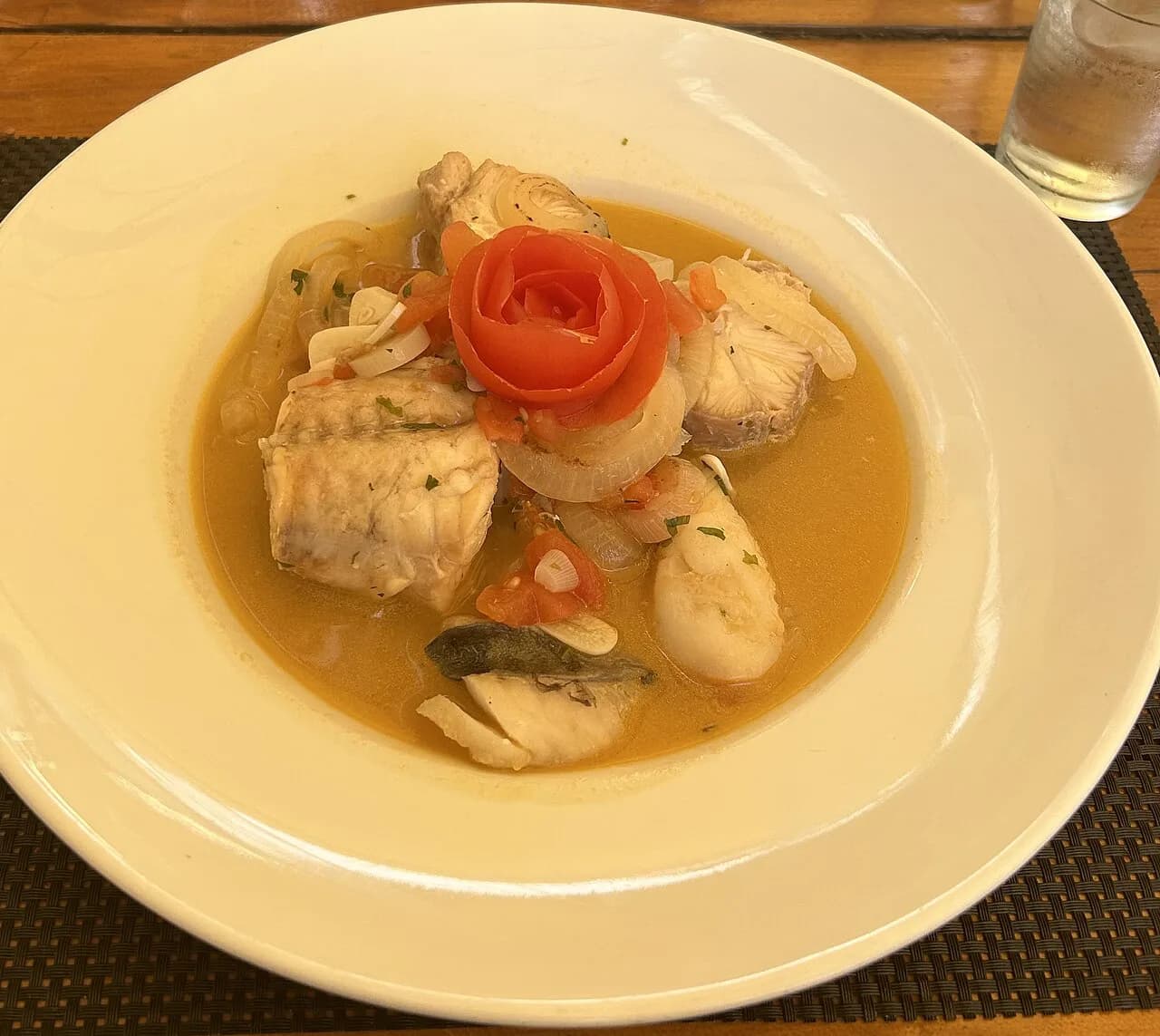
Gregada is a Hvar fisherman's stew of white fish, potato and onion, cooked layered in a wide pot and never stirred. It is the plainest of the Dalmatian fish dishes, built from what came off the boat rather than from a chef's shopping list, and it arrives at the table in the same pot it cooked in. This guide covers what goes into the pot, how the layering works, how it differs from brodet, and what to look for when you order it.
The defining move is restraint: the ingredients go in raw in layers and the pot is shaken, not mixed, so the fish poaches gently on top while the potato softens underneath. Firm white fish is the practical choice because it holds together through that treatment. Parsley and a little garlic do most of the seasoning, and bread is the other half of the dish.
What gregada is
Gregada is a fish stew with potato, onion and garlic in olive oil. Croatian cooks describe it as the simplest of the fisherman's dishes, and some call it the oldest: a one-pot meal made from the small white fish that could not be used for the grill. Hvar is where it is most closely associated, and it remains a regular fixture on the island; it is one of the classic Croatian Dishes of the Dalmatian coast.
The dish has a folk origin story worth knowing: one Croatian food writer notes that the recipe is believed to have been brought by Greek settlers when they arrived at Pharos, the ancient site at today's Stari Grad on Hvar. Whether or not the Greeks brought it, the idea fits: a layered fish and potato pot is the kind of food that travels with fishermen.
How gregada differs from brodet
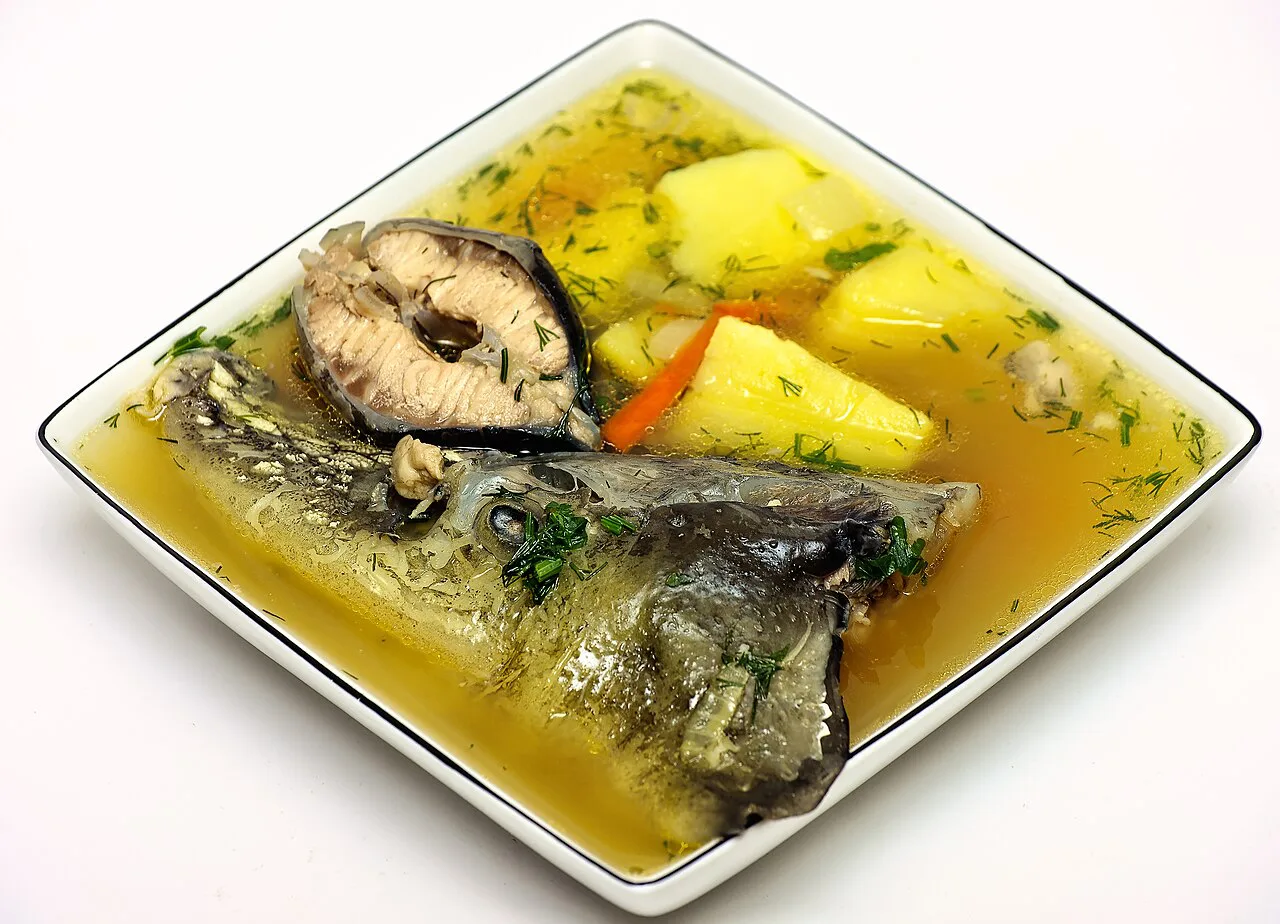
Both are Dalmatian fish stews and both belong on the same menu, but they are cooked differently and eat differently. Gregada is quick and hot: about half an hour over a strong flame, with the fish and potato left in distinct layers. Brodet is the slower relative, cooked longer until the broth thickens and the ingredients come together. If you want a clean, light fish broth with soft potato, order gregada; if you want a deeper, thicker sauce, order brodet.
Can you use frozen fish for gregada? Yes, as long as it is a firm white fish. Thaw it fully and drain off any excess liquid before layering, otherwise the broth turns watery.
Can you reheat gregada? Yes. Warm it gently on the hob over a low heat rather than boiling it hard, which breaks up the fish.
That difference matters when you order for a table. Gregada is a shared dish, served in its cooking pot with bread for dipping, so it works as a centrepiece rather than a single portion. It sits comfortably alongside other seafood starters on a Dalmatian menu.
The core ingredients
The bones of the dish are white fish, potato, onion, garlic, olive oil, parsley, salt and pepper. Wine is optional and appears in some versions as a splash in the pot, where it adds acidity rather than a wine flavour. Nothing in the list is expensive or hard to find, which is exactly the point of a fisherman's meal.
The potatoes do double duty: sliced thin, they sit at the bottom of the pot, soften in the liquid and thicken the broth without any flour. Onion and garlic go in early, and a good glug of olive oil finishes the pot. Chopped parsley goes in at the end so it stays green.
The layering method and why the pot is never stirred
Gregada is assembled raw, not built like a soup. Potato and onion go in first, fish goes on top, and the liquid is poured around rather than over. The pot is then shaken rather than stirred, so the layers keep their structure and the fish does not break into flakes before it reaches the table.
That is the step most home cooks want to skip and the one that defines the dish. A wide, shallow pot matters more than a deep one because the layers need surface area and even heat; a tall narrow pot flattens the advantage. If you are cooking it at home, use a wide casserole or a shallow Dutch oven and resist reaching for a spoon.
Tomato or no tomato
There is no single canonical version. Older Hvar versions leave tomato out altogether and rely on fish, potato, garlic and white wine for flavour; modern versions add tomato for richness and colour. Both are traditional, and a konoba may serve either depending on the house and the season.
For a visitor, the practical answer is to ask what is in the pot before you order if tomato matters to you. If you get the no-tomato version, expect a pale, clean broth that tastes strongly of fish and olive oil; if you get the tomato version, expect a slightly fuller, sweeter stew.
Richer versions: shellfish, prawns and squid
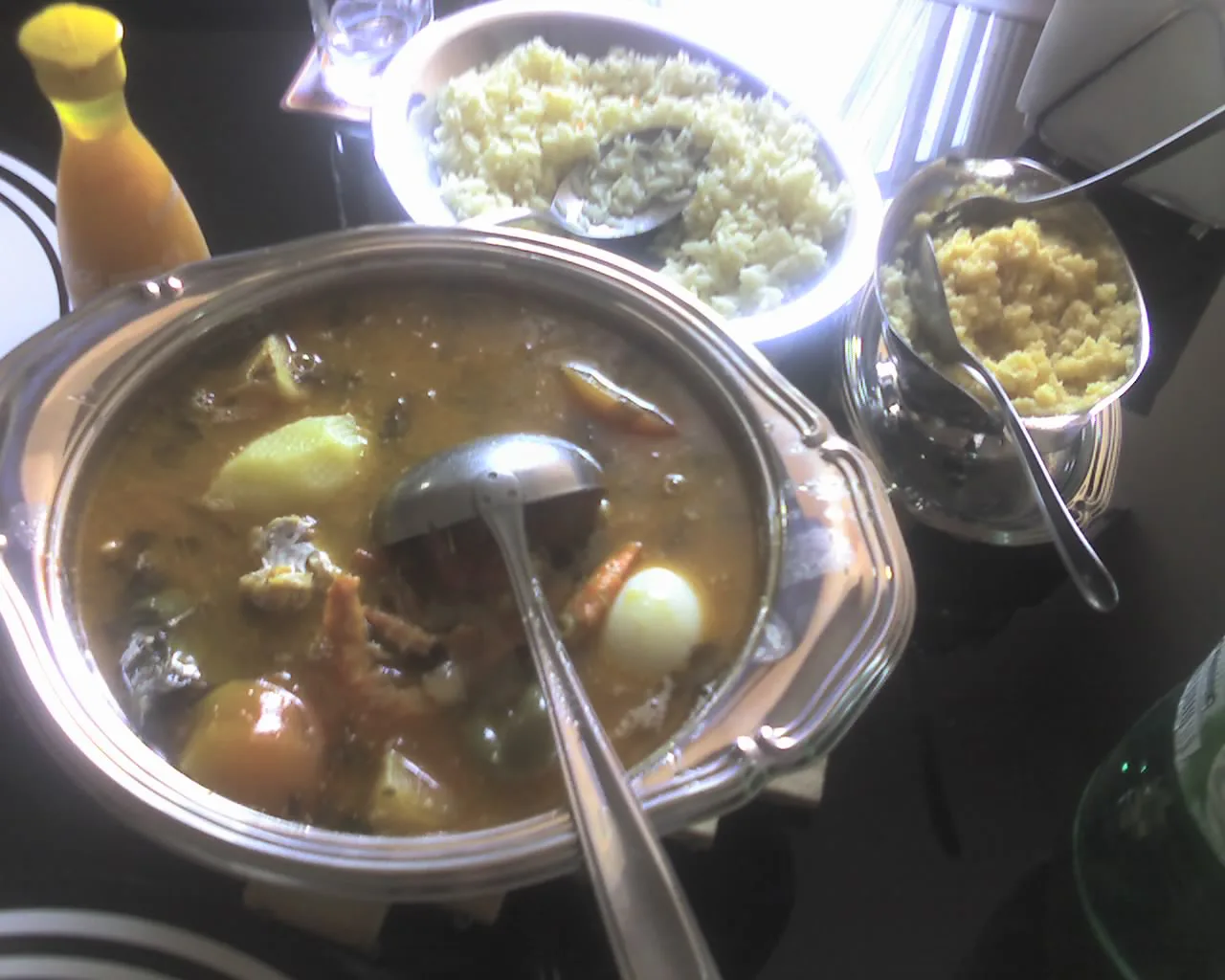
Gregada scales up well, and Croatian cooks make a grander version with shellfish, prawns and squid layered in among the fish. Mussels (dagnje), prawns (škampi) and squid (lignje) all appear in these pots, and the shellfish open as the stew finishes, which is the signal that it is ready.
The finish is a final shake so the stew makes a buć, the onomatopoeic Croatian word for the sound of the pot coming together. It is a small ritual with a practical purpose: it settles the layers without breaking the fish. A richer pot with shellfish is worth ordering when it is on, because it adds sweetness to the broth.
Which fish to look for
Firm white fish is the right choice because it holds its shape in a layered, shaken pot. Scorpionfish (škarpina), grouper (kirnja), sea bass (brancin) and gilt-head bream (orada) all appear in Croatian versions. Scorpionfish is the classic and gives the deepest flavour; grouper is meatier; sea bass and bream are lighter and more readily available.
If you want to know what you are paying before you commit, ask what fish is in the pot, since the fish inside decides the cost. That is the same question you would ask about any whole fish on a Dalmatian menu.
How gregada is served
Gregada arrives in the wide pot it cooked in, and that is how it should be served. The broth is the point, so bread comes with it for dipping, and some houses serve boiled potatoes alongside instead. Spoon it into bowls at the table and let the pot stay in the middle.
In a konoba, gregada usually appears among the seafood mains and is best ordered for two or more. Pair it with a simple green side or a plate of bread and olive oil rather than with another heavy dish. If you are eating your way through Dalmatian seafood, it is a lighter counterpoint to a black risotto or a grilled fish.
Ordering it on Hvar and the Dalmatian coast
On Hvar, gregada is the dish to order when you want something tied to the island rather than to a hotel kitchen. It is a fisherman's plate, not a showpiece, so look for it in konobas rather than in fine-dining rooms. Jelsa and Stari Grad are the obvious places to look on the island, and the dish appears across the Dalmatian coast more widely.
Ask what fish went into the pot and whether there is shellfish in it, because that changes both the flavour and the price. If the answer is a single firm white fish and potato, you are getting the classic version. If you want a dish in the same spirit but cooked under an iron bell, peka is the other Dalmatian classic worth knowing.
Making it at home
The home version needs no special equipment beyond a wide pot and a heavy lid. Layer potato and onion, season, lay the fish on top, add olive oil and a little liquid, then cook over a strong flame without stirring. Shake the pot once or twice and stop when the potato is tender and the fish flakes.
Gregada reheats gently the next day and the flavours deepen overnight. Warm it over a low heat rather than boiling it hard, which breaks the fish apart. Some cooks advise against freezing it, because the fish texture suffers. Serve the leftovers with fresh bread.
Which fish stew to order
Order gregada when you want the lightest, plainest fish stew on the Dalmatian coast: white fish, potato and olive oil, cooked fast and served in the pot. Order brodet when you want a slower, thicker sauce. On Hvar the classic version is the one to try first, and the shellfish version is the richer alternative if it is on.
If you are cooking it yourself, spend your effort on the pot and the fish rather than on extra ingredients. A wide pan and a firm white fish do most of the work, and the shake-not-stir rule is the whole technique. If you want another Croatian classic for the table, burek is the bakery answer for a different kind of meal.
Explore more Croatia guides
- Blitva: Croatia's Chard and Potato Side Dish Explained
- Croatian Pasta
- Fiš Paprikaš
- Fuži: Istria's Quill-Shaped Pasta, Explained
- Njoki: Croatian Potato Dumplings and How They Are Served
- Palačinke
- Pašta Fažol
- Pašticada
- Skradin Risotto
- Soparnik
- Štrukli: What They Are, What's Inside and How They're Served
- Bakalar na bijelo
- Komiška Pogača
Frequently Asked Questions
Can you use frozen fish for gregada?
Yes, as long as it is a firm white fish. Thaw it fully and drain off any excess liquid before layering, otherwise the broth turns watery. Fresh fish gives a cleaner flavour, but the method is the same.
Can you reheat gregada?
Yes. Warm it gently on the hob over a low heat rather than boiling it hard, which breaks up the fish. The flavour deepens overnight. Some cooks advise against freezing it because the fish texture suffers, so it is best eaten within a day or two.
Sources
Notes on eating well in Croatia
Optional updates to our food guides.
You might also like



Continue reading
More guides you'll find useful





