
Burek in Croatia: What It Is, Fillings and How to Order It
Burek is a flaky savoury pastry sold across Croatia. Here is what fills it, how it is eaten, why some say only meat counts and where to find a good one.
On this page
Burek is a savoury pastry of rolled, layered dough baked in a spiral and sold warm by the piece from bakeries (pekare) across Croatia. Order it for breakfast with yoghurt, or as a cheap lunch when you want something hot and filling rather than a sit-down meal. This guide covers what is inside it, where it comes from, how to ask for the version you want and what separates a good one from a greasy one.
The pastry is often eaten on the move, straight from the paper it is wrapped in, and it costs little compared with a restaurant lunch. That makes it one of the most useful things to know about Croatian eating: a bakery counter can solve a hungry morning before a bus or a ferry. The sections below run from origins and fillings to the specific Daruvar eatery that has built a reputation on it.
What Burek Is: Layered Pastry Baked in a Spiral
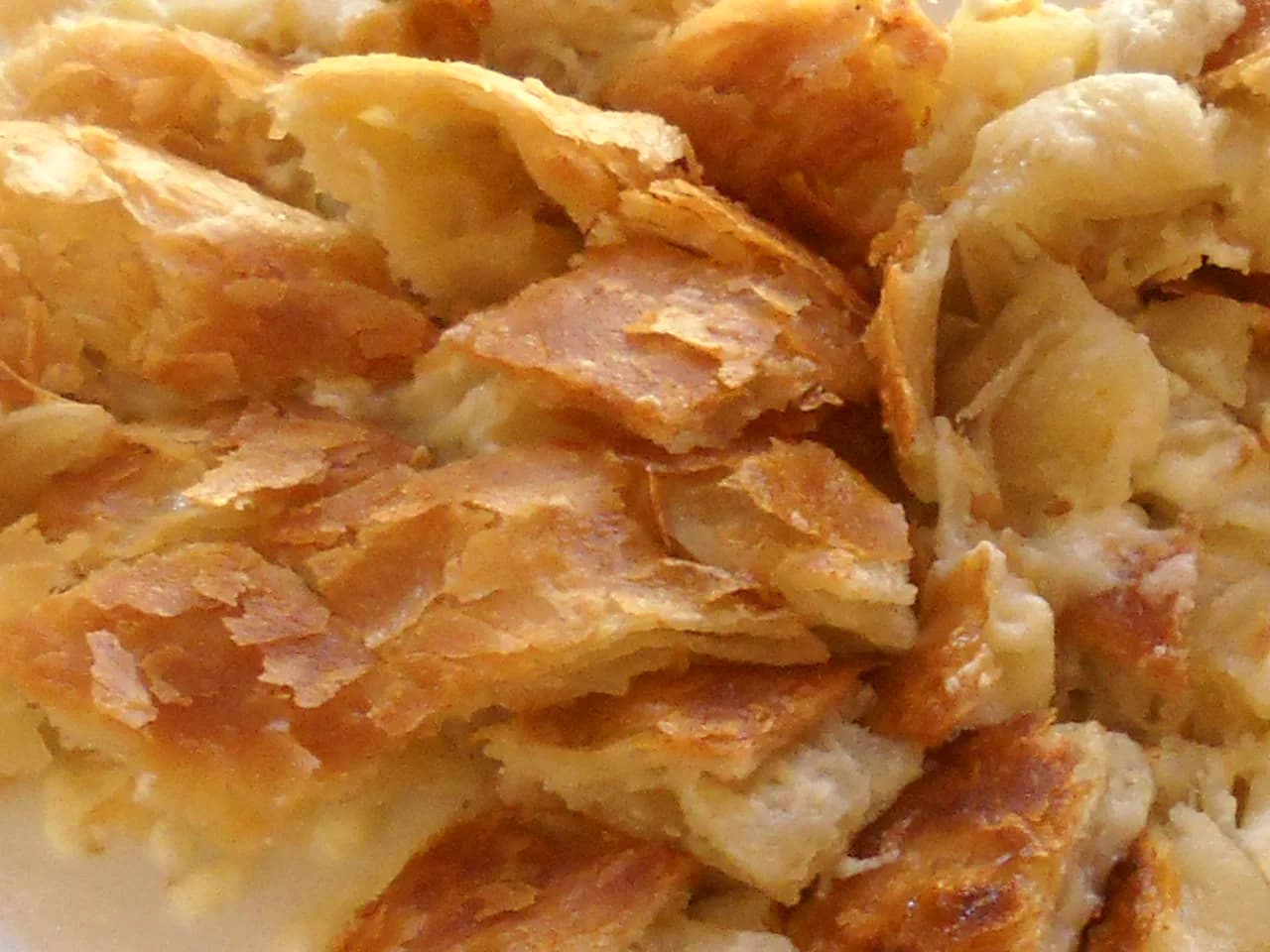
Burek is made from thin stretched dough, oiled and layered, then rolled and coiled into a spiral round, which gives the finished pastry its flaky, crisp exterior and softer, moister interior. In Croatia it turns up in bakery windows at every bus stop, square and market, in many shapes and sizes.
The pastry itself is neutral, so the filling does most of the work. A good piece holds its shape when lifted but gives way easily, and the layers separate rather than clumping. If you are working through the wider repertoire of Croatian dishes, burek is the snack end of it rather than the sit-down end.
Where It Comes From: An Ottoman Pastry Across the Balkans
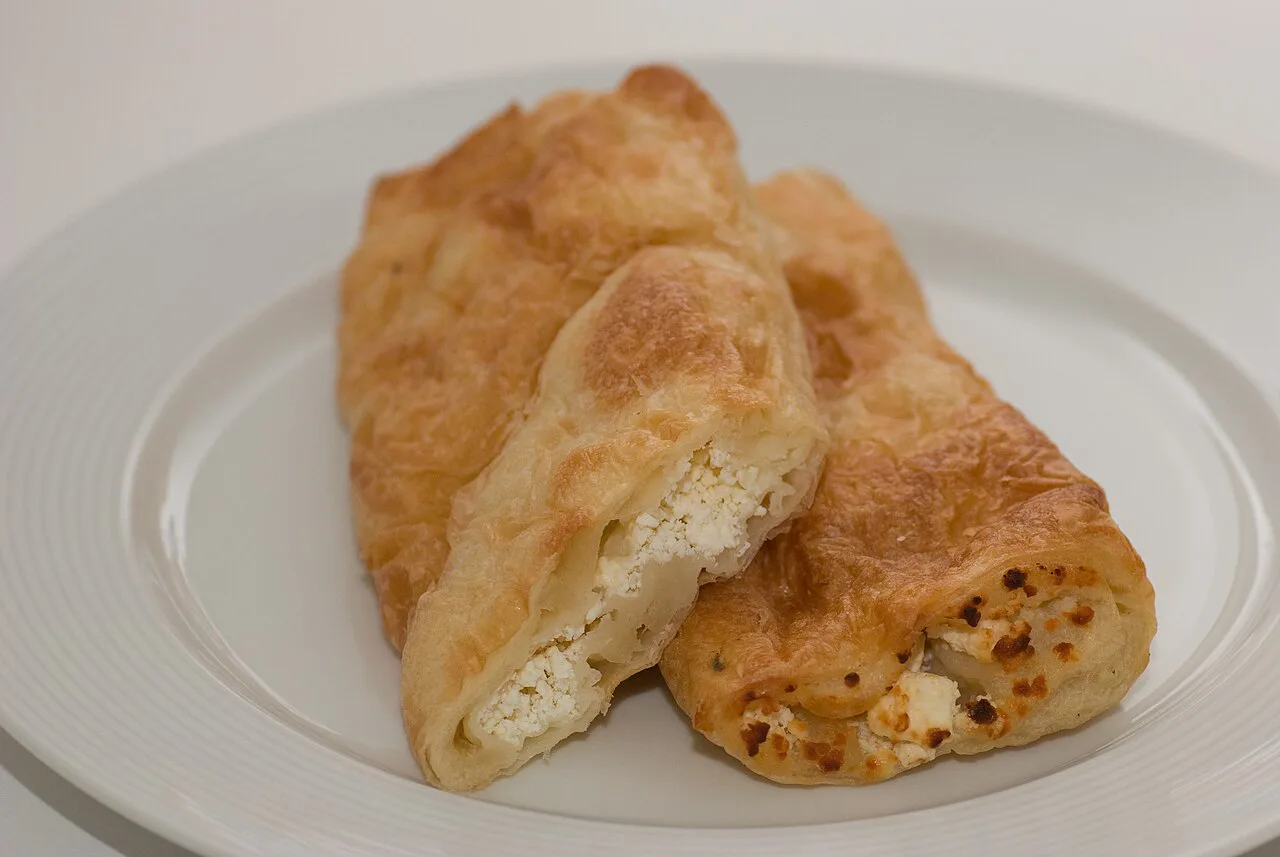
Burek traces back to the Ottoman Empire and spread across the Balkans, the Middle East and Eastern Europe long before modern borders existed, which is why versions appear under similar names from Sarajevo to Athens. In Croatia it is simply part of the bakery repertoire, sold alongside bread, rolls and other pastries.
Is burek Turkish or Bosnian? Burek comes from the Ottoman kitchen and spread across the Balkans, so it has deep roots in both Turkish and Bosnian cooking. In Croatia it is a standard bakery pastry, and the meat-only rule many people follow comes from Bosnian practice rather than from Croatian law or custom.
What is the difference between burek and börek? They are related pastries from the same Ottoman tradition, made from thin layered dough with a savoury filling. Names and shapes vary by country, and in Croatia the word burek covers the coiled pastries sold in bakeries with meat, cheese, potato or spinach inside.
Can I get a vegetarian burek in Croatia? Yes. Cheese, potato and spinach versions are widely sold in Croatian bakeries, and you order them by naming the filling.
The Sarajevo-style version shows how the pastry is built at home: filo sheets layered with a meat filling, brushed with an oil-and-water mixture between layers and baked until golden. That layering and brushing is what keeps the pastry moist inside while the top crisps, and it is the same principle behind the bakery version you buy by the counter.
Meat, Cheese, Potato and Spinach: The Fillings You Will Find
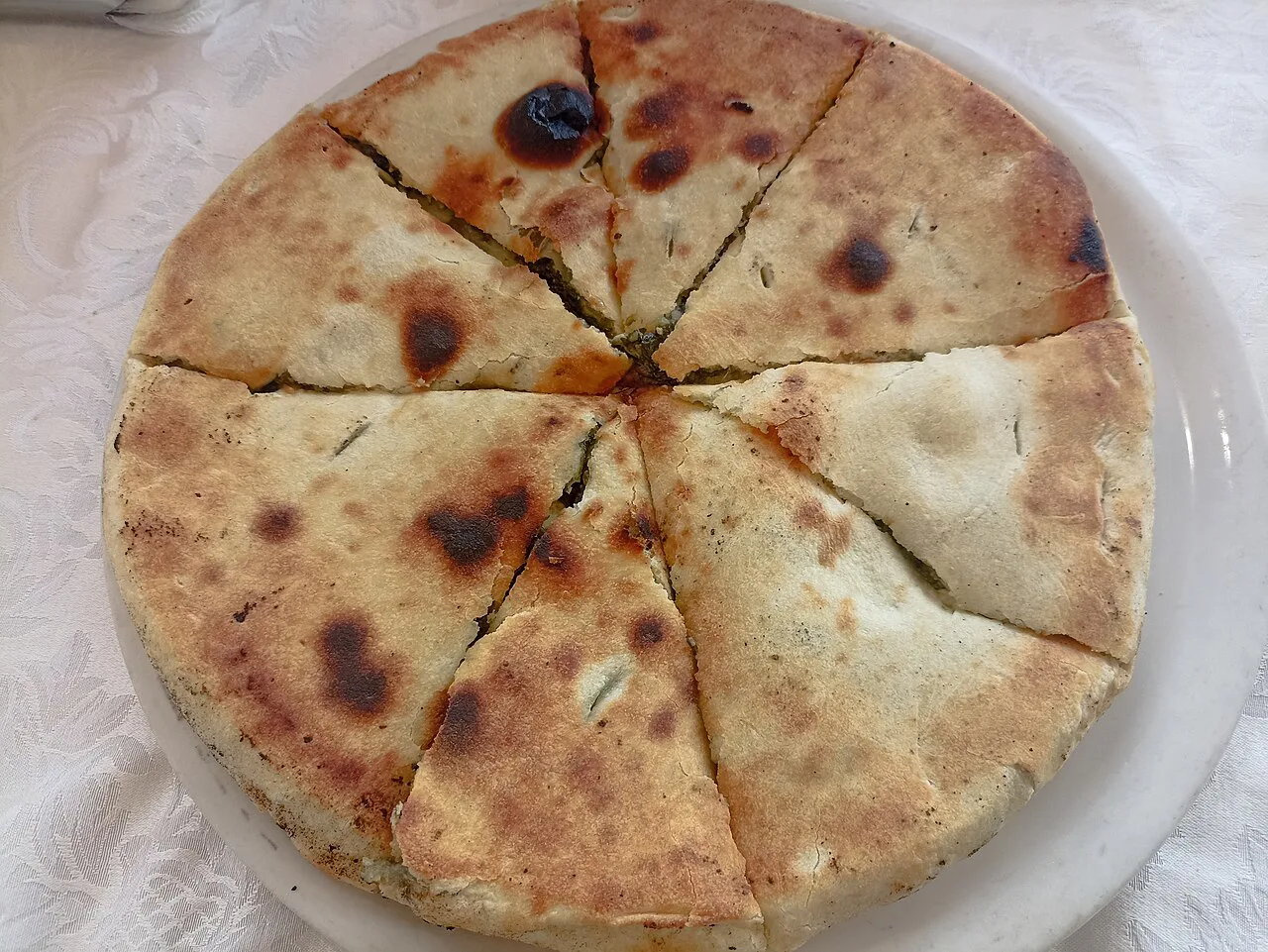
The common fillings in Croatian bakeries are minced meat, cheese, potato and spinach, sometimes mixed with one another. Meat burek is the default order and the one most closely associated with the name, while cheese and potato versions are milder and often the choice for children or a lighter bite.
When you order, say the filling first: burek s mesom for meat, s sirom for cheese, s krumpirom for potato, sa špinatom for spinach. A bakery may sell one filling as a coiled round and another as a flat tray bake, so ask what is warm and just out of the oven if the counter has several.
Why Some Insist Burek Means Meat Only
In Bosnia, many insist that only the meat-filled pastry can properly be called burek, and that cheese, potato or other versions are simply pies. That argument travels into Croatia, so you will meet people who correct you if you call a cheese pastry a burek. It is a matter of naming, not of quality, and both are sold everywhere.
Knowing the distinction helps you order without confusion. If you want meat, ask for burek and you will get it. If you want cheese or potato, name the filling clearly, and you will be understood whatever the purists say.
How It Is Sold and Eaten: Warm from the Counter, with Yoghurt
Bakeries sell burek by the piece or by weight, and the counter staff will usually cut a portion from a larger tray or coil. It is best eaten warm, and the usual companion is a small pot of yoghurt, either drunk alongside or spooned over the pastry.
Eat it with your hands, from the paper, and expect it to be rich. If you are buying for later, a whole tray travels better than a single warmed piece, and reheating in a dry pan brings back some of the crispness that a paper bag softens. This is also where Croatian pasta and heavier dishes part company with burek: this is food for a gap in the day.
What a Good Burek Is Like: Crisp Layers, Moist Filling
A well-made burek is golden and crisp on the outside, juicy within, and greasy only to the touch rather than pooling oil in the paper. The layers should be distinct enough to see, and the filling should be seasoned properly rather than merely salty. Pastry that collapses into a single damp mass has usually been sitting too long or baked too cool.
At Zdravljak Orijent in Daruvar, the maker Faruk Demiri adjusts the flour according to temperature and humidity and uses T380 flour for the pastry consistency. That kind of attention is what separates a crisp, well-layered burek from a heavy one, and it is worth noticing when you eat.
The Burek at Zdravljak Orijent in Daruvar
Zdravljak Orijent, a small eatery in Daruvar that has marked its 50th anniversary, serves the classic meat burek alongside a potato version, a mix of meat and potato, and an apple burek for those who want something sweet. It is served with homemade yoghurt, and the apple version is the one to plan around because it has to be ordered ahead. Croatia Week reported a price range of about 2.50 to 3 euros when it visited in 2025, so treat that as history and ask at the counter what today's portion costs.
Sweet Burek with Apple: Order It Ahead
Apple burek is the sweet outlier: the same flaky pastry wrapped around a fruit filling and baked until the apple softens. It is not the everyday bakery purchase, and at Zdravljak Orijent it needs to be requested in advance rather than picked up on impulse from the counter. If you have a sweet tooth and you are passing through Daruvar, that is the one to arrange before you arrive.
For a sweet pastry you can buy on the spot, Croatian bakeries and pastry shops offer plenty of alternatives, from palačinke, the thin filled pancakes, to cream-filled slices. Sweet burek is a specific pleasure rather than a staple, and knowing that saves disappointment at the counter.
Burek as Breakfast or a Cheap Lunch on a Croatian Trip
Burek works best as breakfast before a ferry or a morning on your feet, or as a quick lunch when you do not want to sit down. Pair it with yoghurt rather than a soft drink.
If you want a proper sit-down meal later, keep burek as the day's snack and save your appetite for a konoba. The pastry is filling enough that a large lunch afterwards rarely appeals. Think of it as the Croatian answer to a pasty or a sausage roll: cheap, hot, portable and best eaten within minutes of buying.
Which Filling Should You Order First?
Start with the meat burek and a yoghurt: it is the version the name refers to, the one most bakeries do well and the one that tells you whether a shop is worth returning to. Try cheese or potato next if you want something milder, and ask about apple only where the bakery makes it to order. Read the counter before you commit, and buy from the tray that is moving fastest.
One piece is usually enough for a snack, so buy small the first time and go back for more if it is good. If you are planning a fuller Croatian meal later in the day, look through our guide to Croatian dishes to see what to save room for, from black risotto to peka, the slow-cooked dish under an iron bell.
Explore more Croatia guides
Frequently Asked Questions
Is burek Turkish or Bosnian?
Burek comes from the Ottoman kitchen and spread across the Balkans, so it has deep roots in both Turkish and Bosnian cooking. In Croatia it is a standard bakery pastry, and the meat-only rule many people follow comes from Bosnian practice rather than from Croatian law or custom.
What is the difference between burek and börek?
They are related pastries from the same Ottoman tradition, made from thin layered dough with a savoury filling. Names and shapes vary by country, and in Croatia the word burek covers the coiled pastries sold in bakeries with meat, cheese, potato or spinach inside.
Can I get a vegetarian burek in Croatia?
Yes. Cheese, potato and spinach versions are widely sold in Croatian bakeries, and you order them by naming the filling. Meat is the default meaning of the word in some places, so say the filling clearly if you want one without meat.
How is burek eaten?
Warm, by hand, usually with yoghurt alongside. It is a breakfast or snack food rather than a sit-down dish, and it is sold by the piece or by weight from bakery counters across the country.
Sources
Notes on eating well in Croatia
Optional updates to our food guides.
You might also like



Continue reading
More guides you'll find useful





