
Rožata: Croatia's Caramel Custard Pudding Explained
Rožata is a Dalmatian baked custard set over caramel and turned out like a flan. What it is, where it comes from, how it is made and how to order it.
On this page
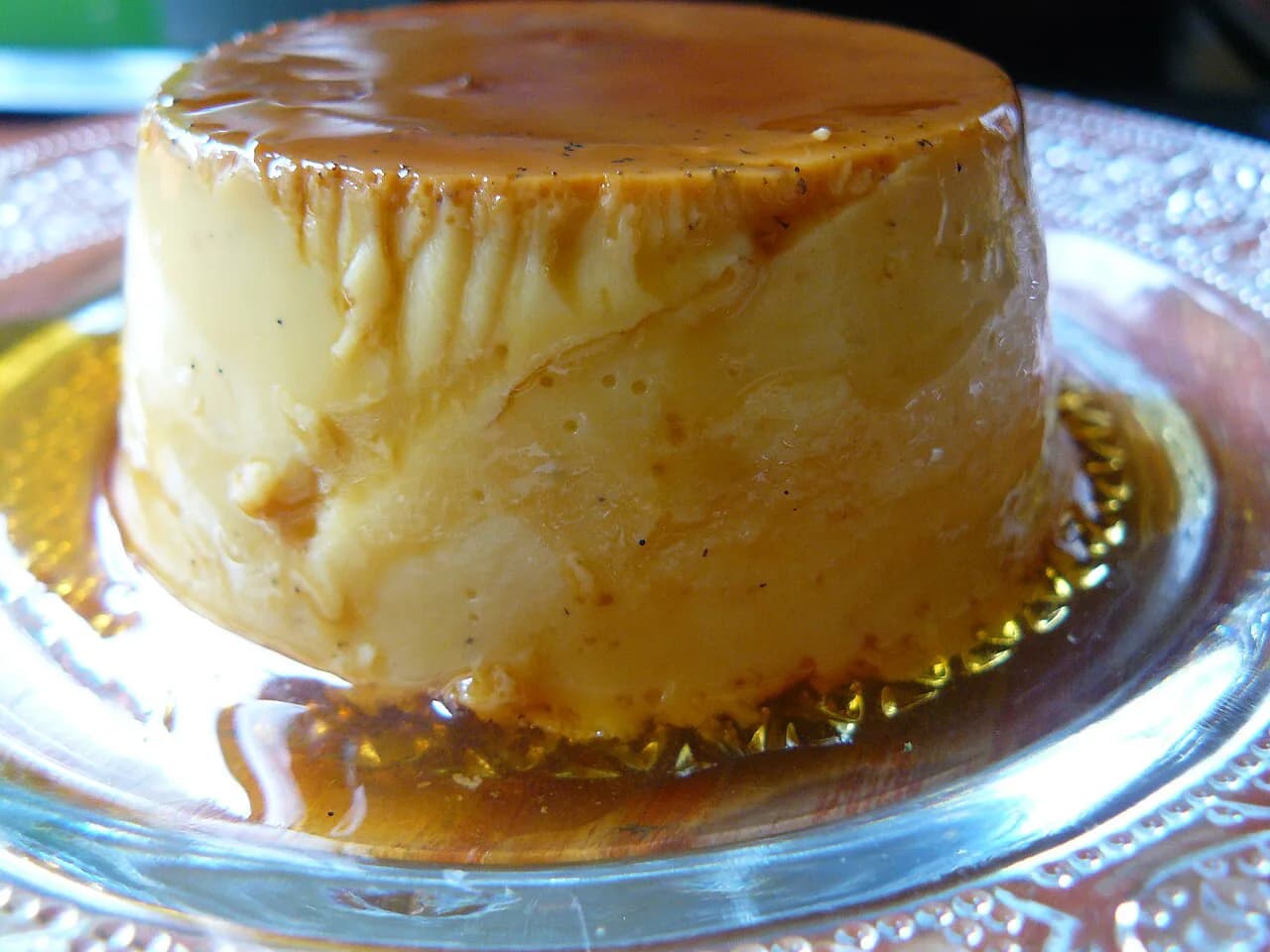
Rožata is a Dalmatian baked custard made from milk, eggs and sugar, cooked over a layer of caramel and served cold, turned out of its mould so the dark amber sauce spills over the top. Order it at the end of a meal along the coast and you get something between a flan and a set pudding: firm enough to slice, smooth on the tongue, and served straight from the fridge. This guide explains what the dessert is, where it comes from, why rose liqueur gives it its name, and what separates a good version from a grainy one.
What rožata is
At its core rožata is three things: milk, eggs and sugar, with the sugar used twice over. Part of it is caramelised in the bottom of the mould, and the rest is whisked into the custard with the eggs and milk. The mixture is cooked gently until just set, chilled, then inverted onto a plate, so the caramel that lined the mould becomes the sauce.
How it differs from crème brûlée and flan. Crème brûlée is a rich cream custard baked in a shallow dish and finished with a hard layer of burnt sugar on top.
Rose liqueur and the name. The name comes from ružolin, a rose-petal liqueur used to scent the custard.
Where it comes from. Rožata is generally traced to Dubrovnik, from where it has spread along the Dalmatian coast and out to the islands.
The texture is the whole point. A properly made rožata is creamy and smooth, not spongy or full of air holes, and it should taste of egg and vanilla with a clean lemony lift. It is served cold, not warm, which is one of the clearest differences from a crème brûlée straight out of the kitchen.
How it differs from crème brûlée and flan
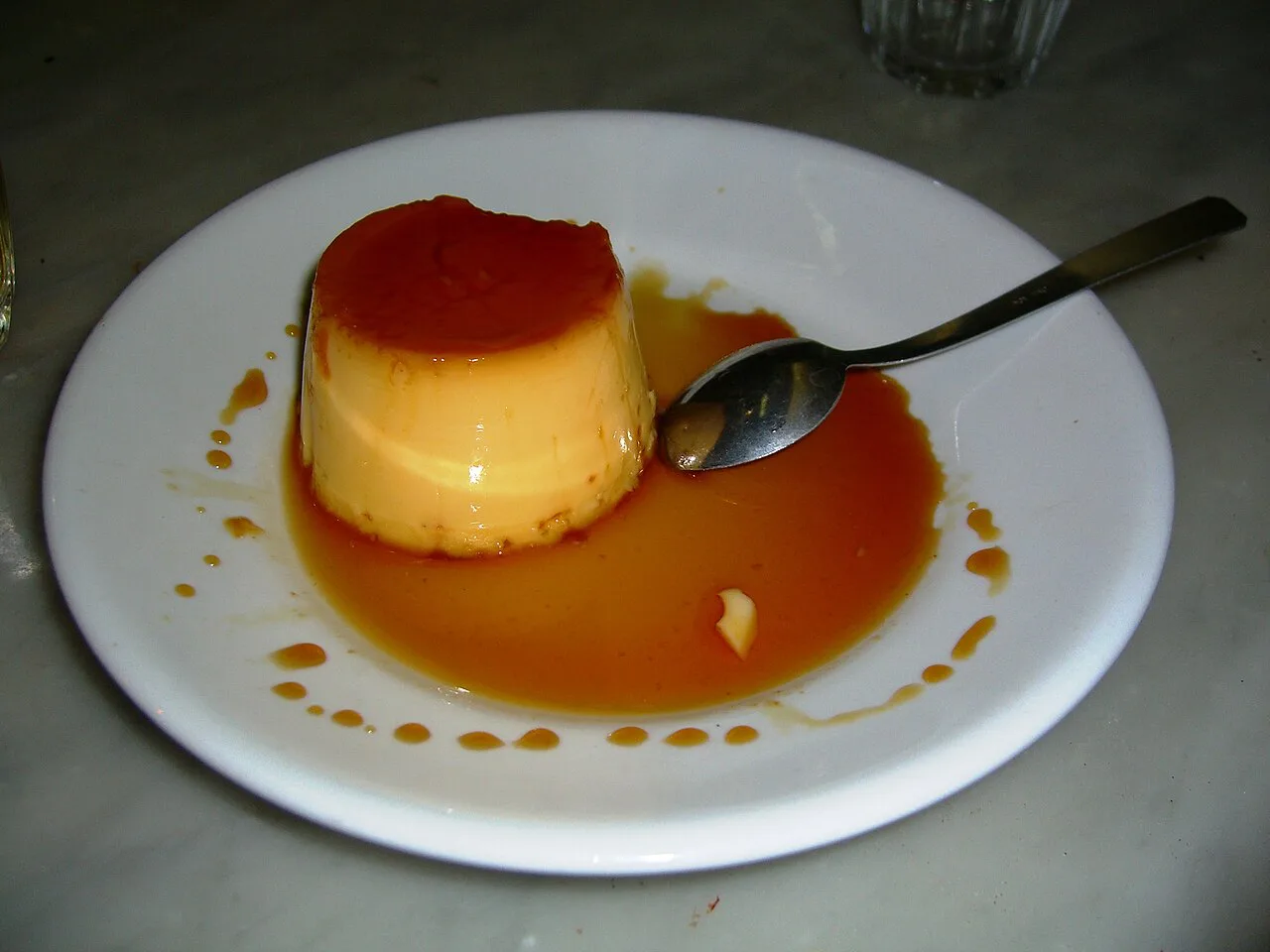
Crème brûlée is a rich cream custard baked in a shallow dish and finished with a hard layer of burnt sugar on top. Spanish flan is much closer to rožata, since it too is turned out of its mould with caramel, but rožata tends to be lighter on dairy and often carries lemon zest or a drop of rose liqueur.
Think of it as closer to a steamed pudding than to a French baked cream: the custard is set slowly in a water bath, historically over steam, and then chilled until firm. The caramel is the point of the dish, not a decoration. It soaks into the top of the custard after turning out, softening the surface and giving every spoonful a slightly bitter edge against the sweetness.
Rose liqueur and the name
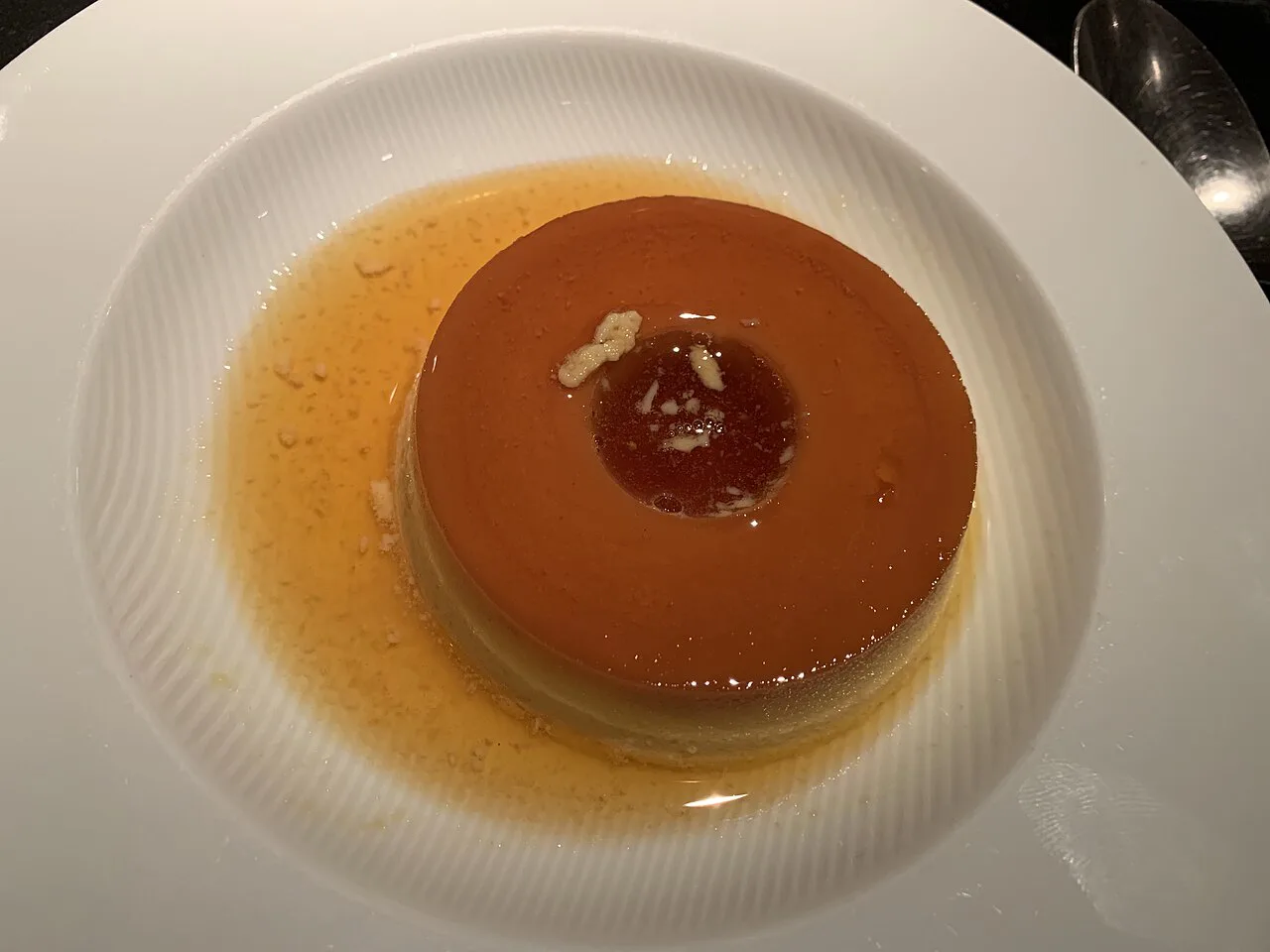
The name comes from ružolin, a rose-petal liqueur used to scent the custard. Croatia's national tourist board describes the dessert as relying on the aroma of that rose liqueur alongside milk, eggs and sugar, which is why it is not simply a plain caramel custard.
Plenty of kitchens leave the liqueur out and use grated lemon zest instead, sometimes with a little orange peel or rum. That is not a lesser version, just a different flavour direction: the lemon version is brighter and more everyday, the ružolin version more perfumed. Island cooks vary it too, as with the lemon-led versions served in island accommodation, and the fritule guide to Dalmatian sweet traditions shows how often citrus and a little spirit turn up in the region's home baking. Ask which flavour you are getting if the distinction matters to you.
Where it comes from
Rožata is generally traced to Dubrovnik, from where it has spread along the Dalmatian coast and out to the islands. On Korčula it is a familiar home dessert, and island cooks make it with their own variations, often leaning on lemon zest, which is how one published account describes the version served in island accommodation.
That variety is part of the charm. The base hardly changes, but the flavouring, the amount of caramel and the size of the mould vary from kitchen to kitchen, which is why two slices in two towns can taste noticeably different.
What it tastes like on the plate
Expect a firm, cool custard with a glossy amber sauce running down its sides. The flavour is mild and milky, with vanilla and egg to the fore and a background note of lemon or rose depending on the recipe. It is not a heavy dessert, which is why it works after a long fish dinner.
Many versions arrive with a spoonful of whipped cream, either fresh or from a piping tube, and the contrast between cold cream and slightly bitter caramel is a big part of the appeal. The dessert keeps well in the fridge, so it is often made ahead, and one published recipe notes it will hold for up to a week, which makes it a practical choice for a restaurant or a home cook cooking for a crowd. If you like cream-topped Croatian sweets, the Kremšnita guide covers the country's best-known custard slice.
How it is made
Making rožata starts with caramel. Sugar is melted in a dry pan over a low heat until it turns the colour of amber, then swirled round the inside of the mould and left to cool and harden. The pan needs a pale interior so you can judge the colour, and the caramel should be generous rather than sparing, because too little makes the pudding difficult to release.
The custard is eggs, sugar, vanilla sugar, milk and lemon zest, with an optional grating of orange peel and a spoon of rum. The key technique is restraint: mix the eggs just enough to combine, without whipping air into them, or the finished pudding will be porous rather than silky. Strain the mixture if you want it perfectly smooth.
The filled mould goes into a roasting tin filled with hot water that reaches two-thirds of the way up its side, then cooks partly on the hob and partly in the oven until a gentle shake leaves it firm. It then cools in the mould before being chilled, and only after that is it flipped onto a plate.
Small moulds or one large ring mould
The same mixture can go into one large ring mould or into individual ramekins. The small version sets quickly, with a much shorter cooking time, and gives each diner a neat pudding with its own pool of caramel. The large ring mould makes a more dramatic centrepiece for a table, with a higher ratio of caramel coating to custard.
The trade-off is control. Small moulds can overcook in minutes, so they need watching, while a ring mould must be tested properly before it is removed from its water bath. For a home cook making rožata for the first time, individual moulds are more forgiving.
Ordering it along the coast
Look for rožata on the dessert menu at konobe and slastičarnice in Dubrovnik and along the Dalmatian coast. It is a staple of the sweet side of a traditional menu, typically listed simply as rožata, sometimes with an extra note about the liqueur or the cream. In any restaurant where it appears, it is usually made in house, so the caramel and the lemon zing are the restaurant's own. For a cold alternative when it is hot, see our pick of Croatian ice cream.
A good sign in the bowl is a clean, smooth surface with no visible air bubbles. If the custard looks rubbery or curdled at the edge, or the caramel has been taken too dark and turned bitter, the dessert will disappoint. If your interest is in Croatian sweets more broadly, our guide to Croatian desserts covers the wider range that sits around rožata on a menu.
How to eat it
Rožata is best served very cold and turned out onto a plate with a slight rim, so the caramel sauce does not run across the table. If you are serving it at home, take it out of the fridge only when you are ready to plate it, and use a thin, sharp knife around the edge first, including the inner ring if you have used a ring mould.
The pudding can be sliced, but a spoon is often the better tool because it lets you scoop custard and caramel together. Serve it with a little beaten cream, but not too much: the caramel is already sweet, and the cold cream is there to balance it, not to drown it.
Judging a rožata at home
The most common fault is a bubbly, oversized crumb in the custard. That comes from whisking too vigorously or from cooking the mixture too hard, which sends air and steam through the set. Mix gently, strain the custard, and keep the water bath at a gentle simmer rather than a rolling boil.
Overbaking is the other issue: the surface should look just set, not browned, and it should still have a slight wobble when you take it out, because it firms up considerably as it cools. If the pudding refuses to come out of the mould, the caramel layer was too thin, so the next time err on the generous side.
Is rožata worth ordering?
Yes, if you like custard desserts and want a proper taste of Dalmatia rather than something invented for tourists. It is simple, cold and refreshing, and the caramel makes it rich enough to share after a large meal. Order it where the menu lists it plainly, and look for a smooth, pale surface and a glossy amber top.
Explore more Croatia guides
Sources
Notes on eating well in Croatia
Optional updates to our food guides.
You might also like



Continue reading
More guides you'll find useful





