
Girice: What They Are and How They're Cooked and Served in Croatia
Girice are tiny Adriatic fish, floured and fried whole, eaten head and all with lemon. Here is what they are, how they're cooked and how to order them.
On this page
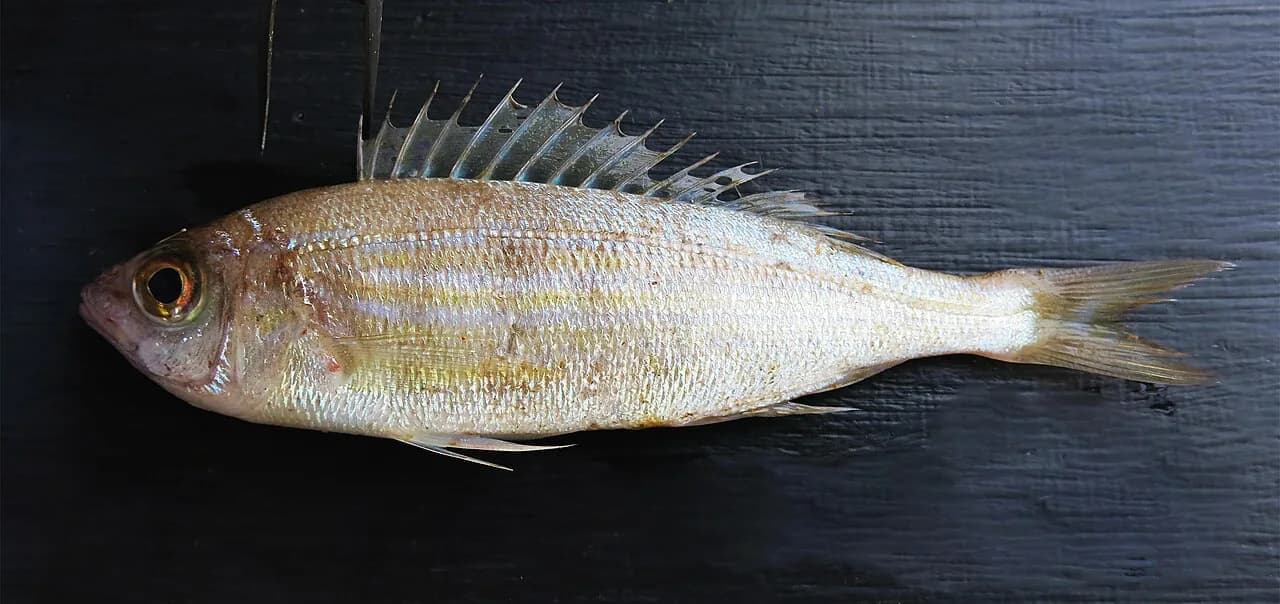
Girice are small Adriatic fish, floured and fried whole in hot oil, and then eaten head, tail and all with a squeeze of lemon. If you order them in a Croatian konoba you get a plate of crisp, finger-length fish rather than a fillet, and that is exactly the point. This guide covers what the name means, how they are cooked, what they taste like and how to order them alongside the rest of a Croatian seafood menu.
They sit at the everyday end of the fish list, the sort of thing that turns up as a quick marenda (a mid-morning or lunchtime snack) as much as a main meal. The cooking itself is plain: fish, flour, salt and hot oil, nothing hidden. Knowing that before you sit down makes the plate much easier to enjoy.
What girice are: small Adriatic fish, fried and eaten whole
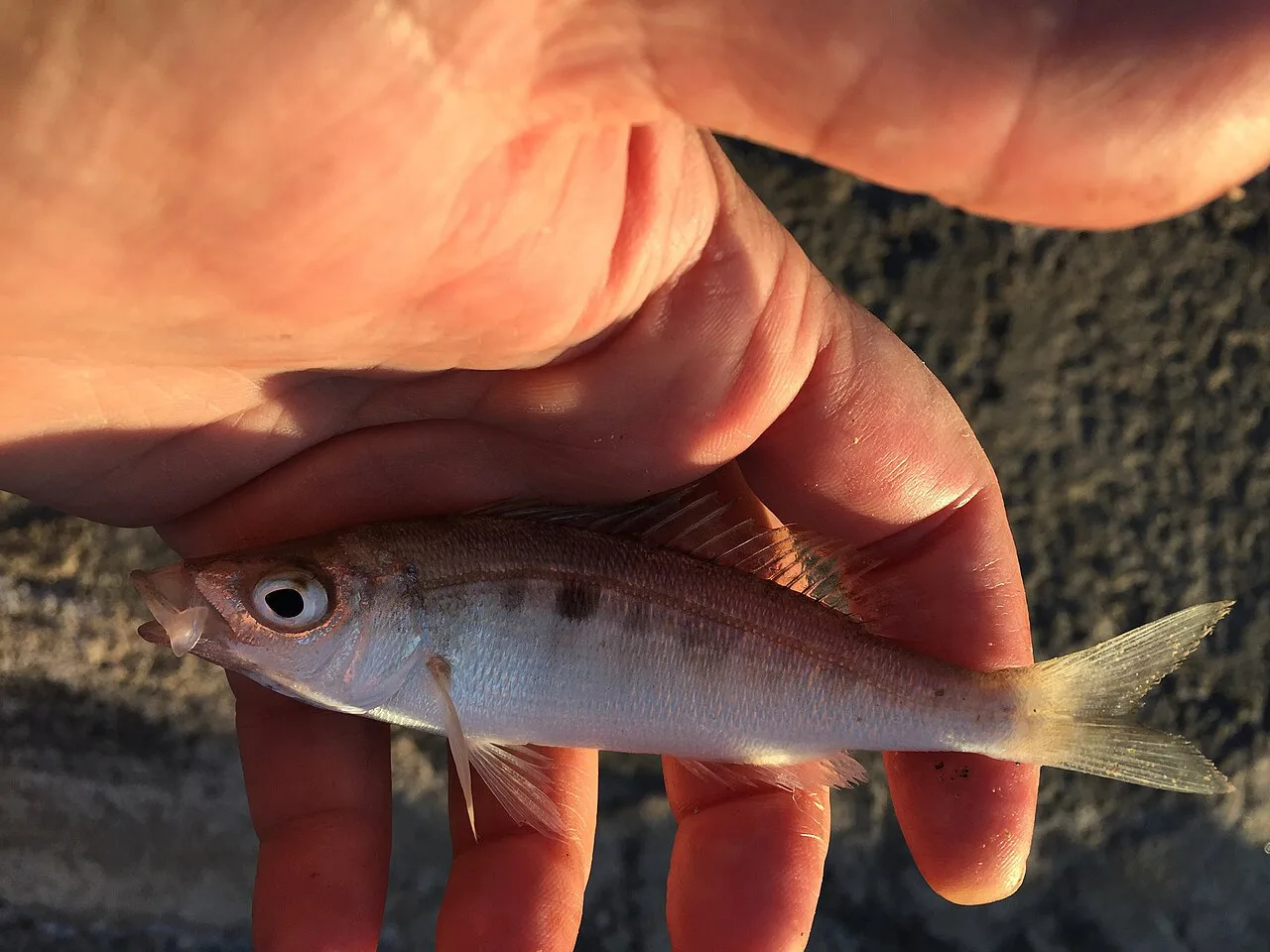
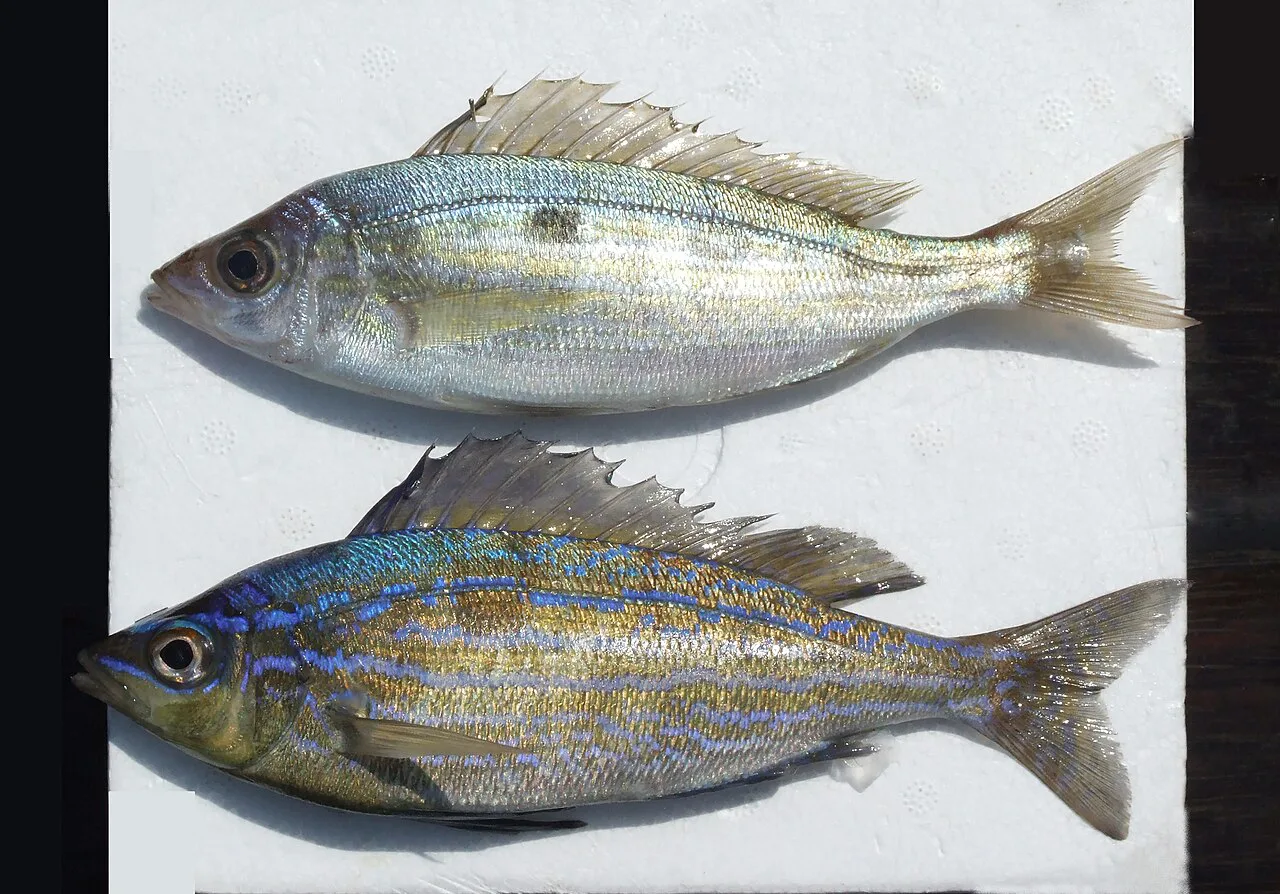
Girice is the Croatian word for very small sea fish, the kind sold and cooked whole rather than gutted and filleted. A Croatian dictionary defines girice simply as sitne morske ribe, small sea fish, which is the honest level of detail the name carries: it is a category of tiny fish, not one tightly defined species on the menu.
That matters when you order, because the plate in front of you is a shoal of small fish rather than a single specimen. They are cooked and served whole, so the head, tail and fine bones all come with the portion. The dish is closer to whitebait in style than to a bream or bass fillet, and first-timers should expect to eat with their fingers.
What girice are called on Croatian menus
On Croatian menus the common name is girice, and a recipe listing pržene girice simply means fried girice. The names can vary from one kitchen to the next, so the reliable signal is the cooking method rather than the noun: small fish, flour and hot oil, served with lemon, is the dish you are looking for.
Are girice the same as whitebait? They are close in style rather than identical. Girice are small Adriatic fish floured and fried whole, and whitebait is the British name for tiny fish served the same way.
Do you eat the heads of girice? Yes, the usual way is to eat the whole fish, head included, because the bones are fine enough to chew. Some people leave the heads because they take up more oil, and either approach is fine.
Are girice a starter or a main? They work as either. A plate shared between two makes a good starter, and with bread and a side such as potato salad or blitva it serves as a light main, especially at lunch.
When names shift from one kitchen to the next, the reliable signal is the cooking method rather than the noun. Small fish, flour and hot oil, served with lemon, is the dish you are looking for. If a waiter describes a plate of tiny whole fish rather than fillets, you have found it.
How pržene girice are cooked: cleaned, dried, floured, fried hot and fast
The method is short enough to describe in a few steps. The fish are rinsed and dried thoroughly between kitchen paper, because wet fish will not crisp and will spit in the oil. They are then tossed in a paper bag with plain flour so that each fish gets a light coating, and any excess flour is shaken off before they go into the pan.
Fresh girice are rinsed in cold water, drained and dried well before they meet the flour, and frozen ones need longer preparation first so they do not release water into the oil. The frying itself is fast and hot, around 180°C, with the fish turned out onto kitchen paper afterwards to drain. Salt goes on at the end rather than the start, so the fish stay crisp instead of going limp.
That is the whole recipe in most Croatian kitchens: no batter, no spices beyond salt, no sauce. The result depends on how dry the fish were and how hot the oil was, which is why a good plate of girice tastes clean and crisp rather than greasy. Nothing on the plate disguises a fish that was not fresh.
What they taste like and how to eat them, head and all
Girice taste mild and sweet, with a thin crisp coating and a soft centre, and the bones are so fine that they chew up with the flesh. You eat the whole fish, head included, though some people leave the heads because they soak up more oil in the pan. Either way works, and nobody in a Croatian konoba will raise an eyebrow.
The practical approach is to pick a fish up by the tail, squeeze lemon over the plate and eat it in two bites. Bread is there to mop up the oil and lemon at the end, and a plain side such as potato salad or blitva keeps the plate balanced. Girice are at their best in the first few minutes after frying, so eat them before they cool rather than working through a long conversation first.
Where they turn up on a Croatian menu: konobas, marenda and simple fish plates
Girice belong to the everyday end of the Adriatic fish repertoire, the sort of plate that appears on a konoba's lunch list as a quick marenda rather than an occasion dish. They turn up along the coast wherever small fish are landed, from Istria down through Dalmatia, and they are one of the cheapest ways to eat fish well. On a menu full of larger fish, they are the practical order for a light lunch.
They often sit alongside other small-fish and shellfish plates rather than replacing them, so a table can share a plate of girice with a bowl of octopus salad and a plate of bread. That is how a Dalmatian fish lunch tends to build: several small plates, a main of grilled fish or stew, and something cold to drink.
If you want a broader picture of how the fish courses fit together, the pattern is consistent: small fried fish, then something grilled or stewed, with sides of chard, potatoes or salad. A plate of girice is a good way into that meal without committing to a whole fish priced by weight.
What to drink and eat alongside a plate of girice
A cold lager, a glass of white wine or sparkling water all work with fried girice, and the point is something crisp rather than something strong. Croatian whites from the coast, such as a malvazija or a pošip, cut through the oil nicely, and a simple lemonade does the same job for a lunchtime plate. For a broader look at Croatian seafood and the dishes that go with it, see Croatian Seafood. Drink moderately and keep the focus on the fish.
On the plate, lemon is essential and bread is close behind. A potato salad, blitva with olive oil and garlic, or a plain green salad are the usual companions, and they keep the meal light. If you want a soup to start, a Croatian fish soup makes a natural first course before the fried fish arrives, and if you want to compare a different seafood starter, Octopus Salad in Croatia is a good place to look.
Ordering girice in a restaurant: portion size, bones and sharing
Girice are usually sold by the plate rather than by weight, so ask how big the portion is before ordering one each. A plate is often enough to share as a starter between two, and as a main it goes further with bread and a side. If you are unsure, order one plate between two and add something else if you are still hungry.
The bones are fine and edible, but small children and anyone nervous about whole fish may prefer a fillet instead. Girice are finger food, so expect to use your hands and to end up with floury, oily fingers, which is part of the pleasure. In high season it is worth booking a table at a popular konoba rather than turning up at peak lunchtime, and paying in euros is now the norm across Croatia.
Fresh versus frozen girice
Fresh girice need only rinsing and drying before they are floured and fried, which is why they are the first choice when available. Frozen fish are a practical alternative out of season, but they need to be defrosted and dried properly first, and the coating can behave differently if any water remains. Many kitchens use frozen fish without saying so, and a crisp plate tells you the cook handled them well.
If you are buying girice to cook yourself, look for fish that smell of the sea rather than of ammonia and that have clear eyes and firm flesh. Frozen fish with a heavy ice glaze will lose weight once defrosted, so judge the price by what you get after thawing rather than by the packet. Markets and fish shops sell them by weight, and the price changes with the season.
Should you order the girice?
Order the girice if you want a crisp, shareable plate of small fish and are happy to eat with your fingers, head and all. They are one of the simplest and most honest things on a Croatian fish menu, and they make an easy lunch with bread, lemon and a cold drink. Skip them only if whole fish with bones puts you off, in which case a fillet is the better call.
Explore more Croatia guides
Frequently Asked Questions
Are girice the same as whitebait?
They are close in style rather than identical. Girice are small Adriatic fish floured and fried whole, and whitebait is the British name for tiny fish served the same way. Expect a plate of crisp whole fish with lemon; ask the waiter which fish are in the kitchen that day.
Do you eat the heads of girice?
Yes, the usual way is to eat the whole fish, head included, because the bones are fine enough to chew. Some people leave the heads because they take up more oil, and either approach is fine. Pick a fish up by the tail, squeeze lemon over it and eat it in a couple of bites.
Are girice a starter or a main?
They work as either. A plate shared between two makes a good starter, and with bread and a side such as potato salad or blitva it serves as a light main, especially at lunch. Ask how large the portion is before deciding how many plates to order.
Sources
Notes on eating well in Croatia
Optional updates to our food guides.
You might also like



Continue reading
More guides you'll find useful





