
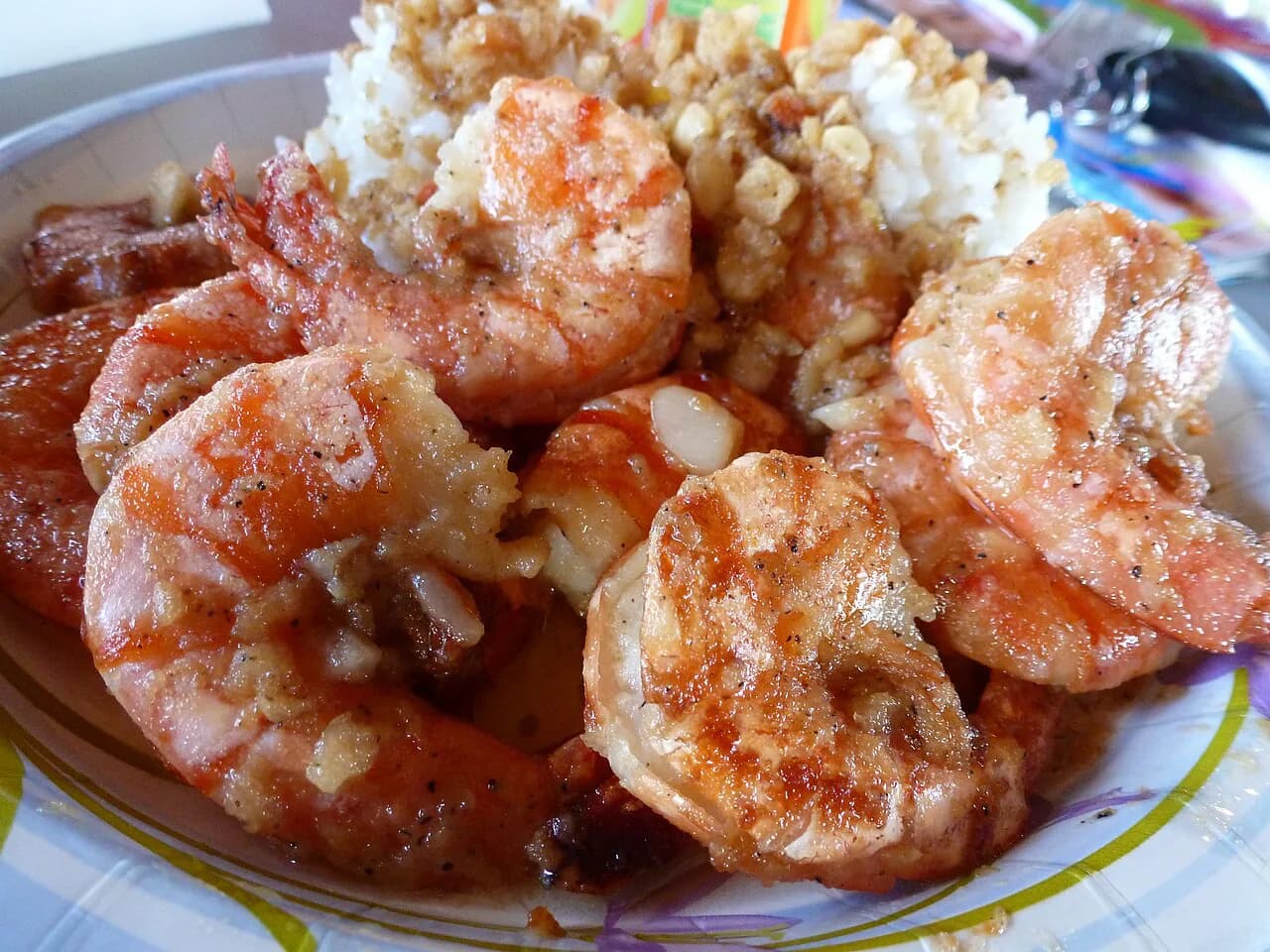
Scampi Risotto: What It Is and How the Dish Comes Together
Scampi risotto is a creamy rice dish built on scampi, the small lobster-like crustaceans, not prawns. Here is what goes into it and how it cooks.
On this page
Scampi risotto is a creamy rice dish built on scampi, the small lobster-like crustaceans, rather than the prawns most British and American cooks mean by the word. The name matters because it changes both the flavour and the cost of the plate, and it is the reason the dish reads as a treat on a Croatian seafood menu. This guide covers what scampi are, which rice to use, the two ways the shellfish gets into the rice, and how the cooking actually works.
It is a home-cooking dish as much as a restaurant one, and the method is forgiving once you understand the order of operations: toast the rice dry, add wine, then stock a little at a time. The sections below follow that sequence and flag the decisions that change the result.
What scampi risotto is
The dish is rice cooked slowly with liquid until it turns creamy, finished with scampi. One Italian version builds a cream from scampi and uses it as the base that flavours the rice, which gives a deep shellfish note running through every grain rather than sitting on top. Either way, the rice is the body and the scampi is the point.
Scampi versus prawns: why the name matters. Scampi are small lobster-like crustaceans, closer in build and sweetness to a miniature lobster than to a prawn.
The rice: carnaroli or arborio. Risotto depends on a stubby, high-starch rice that releases creaminess as it cooks while the centre stays firm.
The scampi cream base. The cream route treats scampi as a flavouring rather than a garnish: the shellfish is worked into a cream that becomes the cooking liquid's partner, so the rice absorbs the character of the sea.
English-language recipes often label the same idea shrimp risotto or prawn risotto, and that looser wording is where a lot of confusion starts. If you want the shellfish flavour that makes the dish worth ordering, look for scampi named on the menu rather than a generic prawn label.
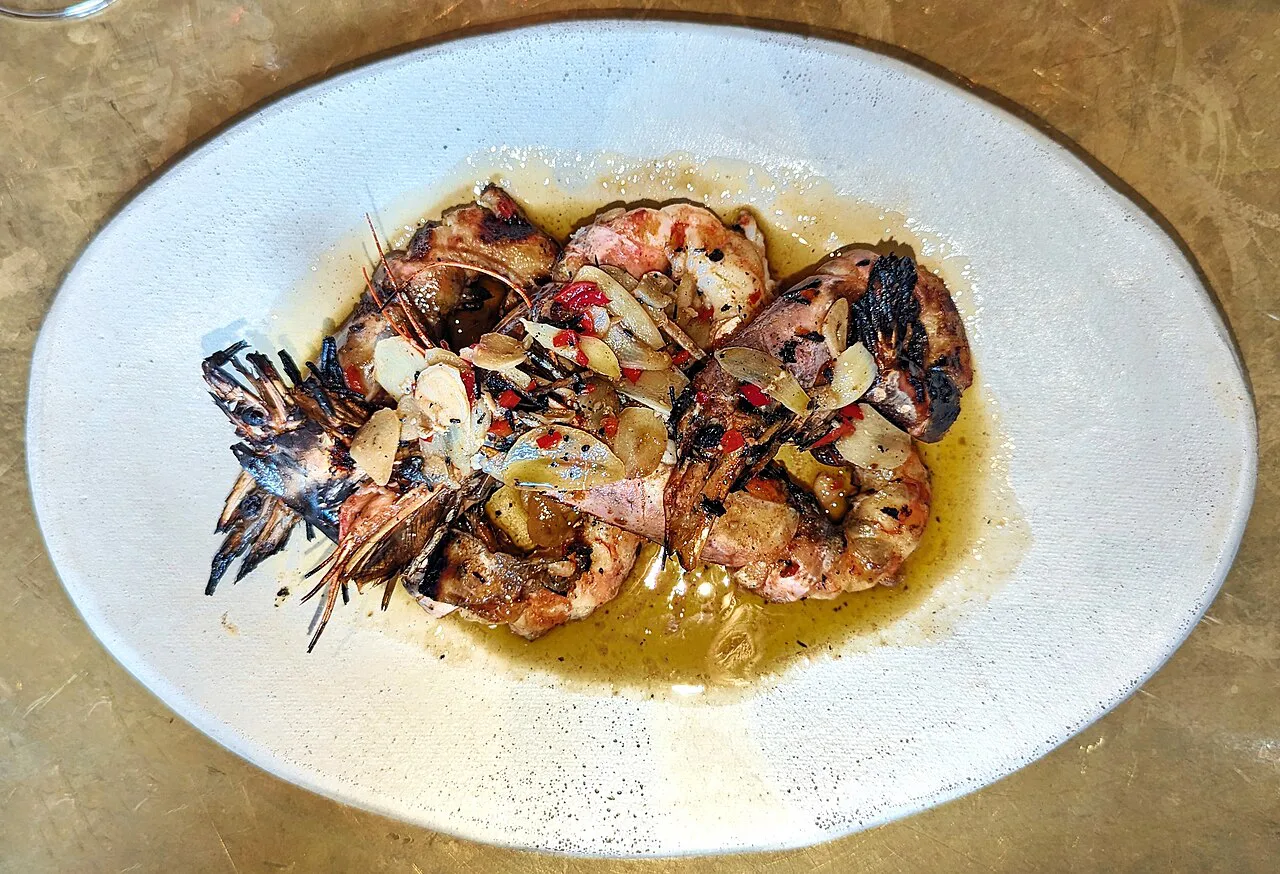
Scampi versus prawns: why the name matters
Scampi are small lobster-like crustaceans, closer in build and sweetness to a miniature lobster than to a prawn. They are not interchangeable with prawns, even though the three words get used loosely in translation. When a menu says scampi, it is pointing at a different animal with a firmer, sweeter flesh.
On the Croatian coast the same shellfish family turns up in other guises, and knowing the wider repertoire helps you read a menu. Scampi also appear cooked in a wine, garlic and breadcrumb style, which is a useful comparison point if you are deciding between risotto and a simpler preparation.
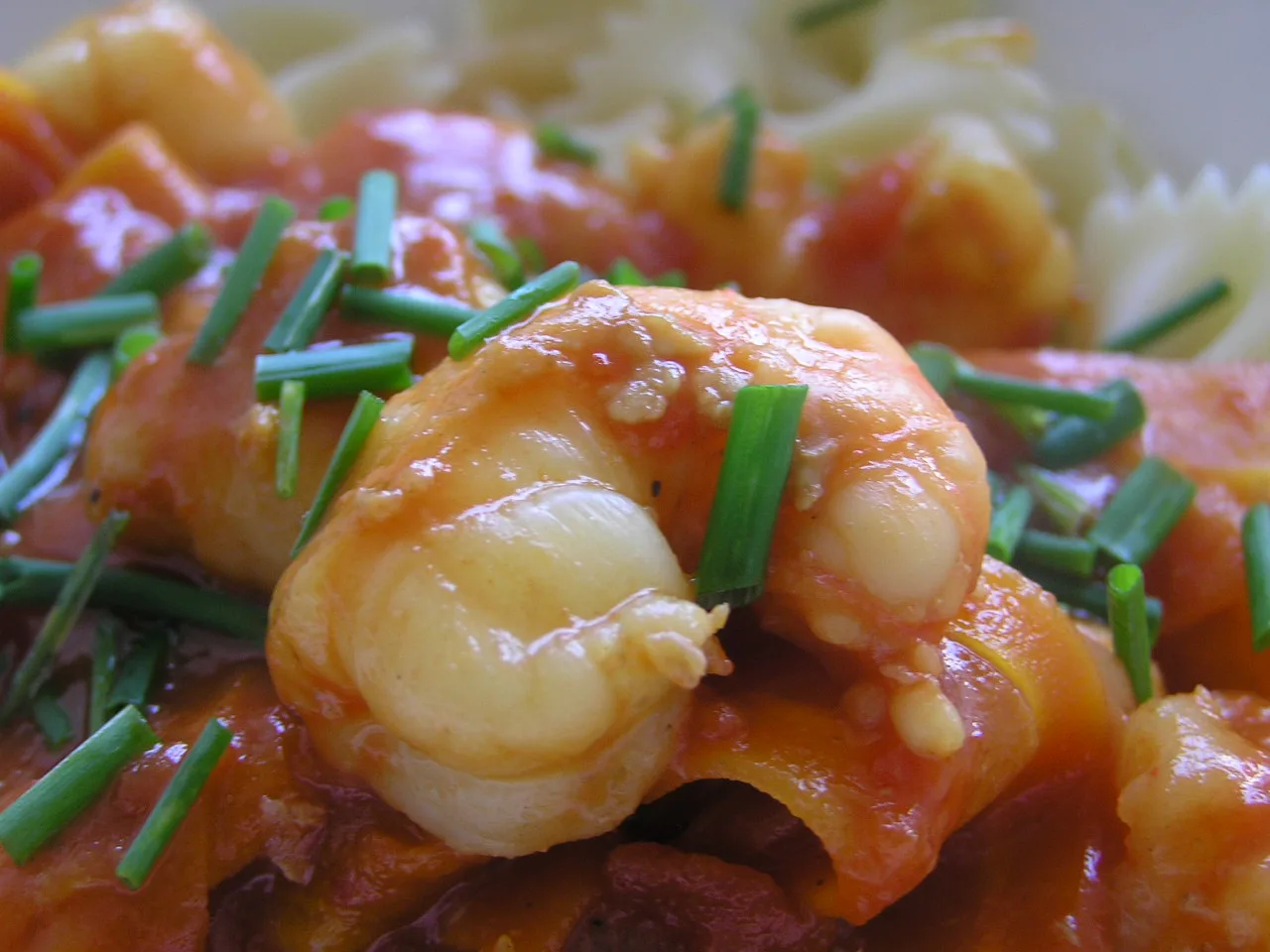
The rice: carnaroli or arborio
Risotto depends on a stubby, high-starch rice that releases creaminess as it cooks while the centre stays firm. Carnaroli is one common choice, valued for holding its shape; arborio is the widely available alternative and appears in many home recipes. Both work, but they behave slightly differently in the pot.
If you want a grain that stays distinct under the shellfish, lean towards carnaroli. If you are cooking from a recipe that specifies arborio, follow it rather than substituting and hoping for the same result.
The scampi cream base
The cream route treats scampi as a flavouring rather than a garnish: the shellfish is worked into a cream that becomes the cooking liquid's partner, so the rice absorbs the character of the sea. That approach suits diners who want an even, rich plate without having to shell anything at the table.
The alternative is to cook the rice plainly and brown whole scampi separately, then lay them on top. That keeps the shellfish as a visible centrepiece and gives you the contrast of sweet flesh against soft rice.
Cooking it at home: the mechanics
Start by toasting the rice dry in the pot for a couple of minutes, which firms the grains before any liquid goes in. Add dry white wine and let it bubble away until it has almost disappeared, then begin adding stock in small increments, stirring and waiting for each addition to be absorbed before the next.
Keep the heat moderate and stir regularly; the aim is rice that is tender at the edge and still has bite in the middle. Finish off the heat with grated cheese and a little olive oil stirred through, which loosens the risotto to the creamy consistency the dish is known for.
Brown the scampi separately in a hot pan for a short time so they colour without toughening, then add them at the end. Holding them back until serving keeps the shellfish sweet and stops it overcooking while the rice finishes.
Finishing and serving
A little citrus zest and a few soft herbs lift the richness of the rice and shellfish without masking either. Serve straight away, because risotto stiffens as it cools and the texture is the whole point of the dish.
A green salad or simply cooked vegetables alongside is enough; the risotto is the main event and does not need competition on the plate.
On a Croatian seafood menu
Croatian coastal cooking treats scampi as a prized shellfish, and the wider seafood repertoire runs from fish stews to grilled fish priced by weight. Knowing how those plates are built makes it easier to judge whether a risotto is the right order for the table.
If the risotto is not on the menu, the same shellfish knowledge helps you order well elsewhere. A plate of small fried fish, or a simply grilled bream, are the kind of straightforward orders that let the ingredients speak.
For a lighter opener, a cold octopus with olive oil and onion is a Dalmatian staple and pairs naturally with a seafood main. It is a useful way to start a meal without filling up before the rice arrives, and our Octopus Salad in Croatia guide covers the dish in more detail.
Is scampi risotto worth ordering?
Yes, if you want a rich, creamy rice dish that puts shellfish flavour at the centre, and you are content with scampi named on the menu rather than a generic prawn label. It is less appealing if you prefer your seafood plainly grilled and served on its own.
At home, the dish rewards patience with the stock and restraint with the scampi: toast the rice, add wine first, then liquid a little at a time, and cook the shellfish briefly right before serving. On the coast, compare the risotto against the simpler scampi and grilled fish options before committing, since the style of preparation varies from kitchen to kitchen.
Explore more Croatia guides
Sources
Notes on eating well in Croatia
Optional updates to our food guides.
You might also like



Continue reading
More guides you'll find useful





