
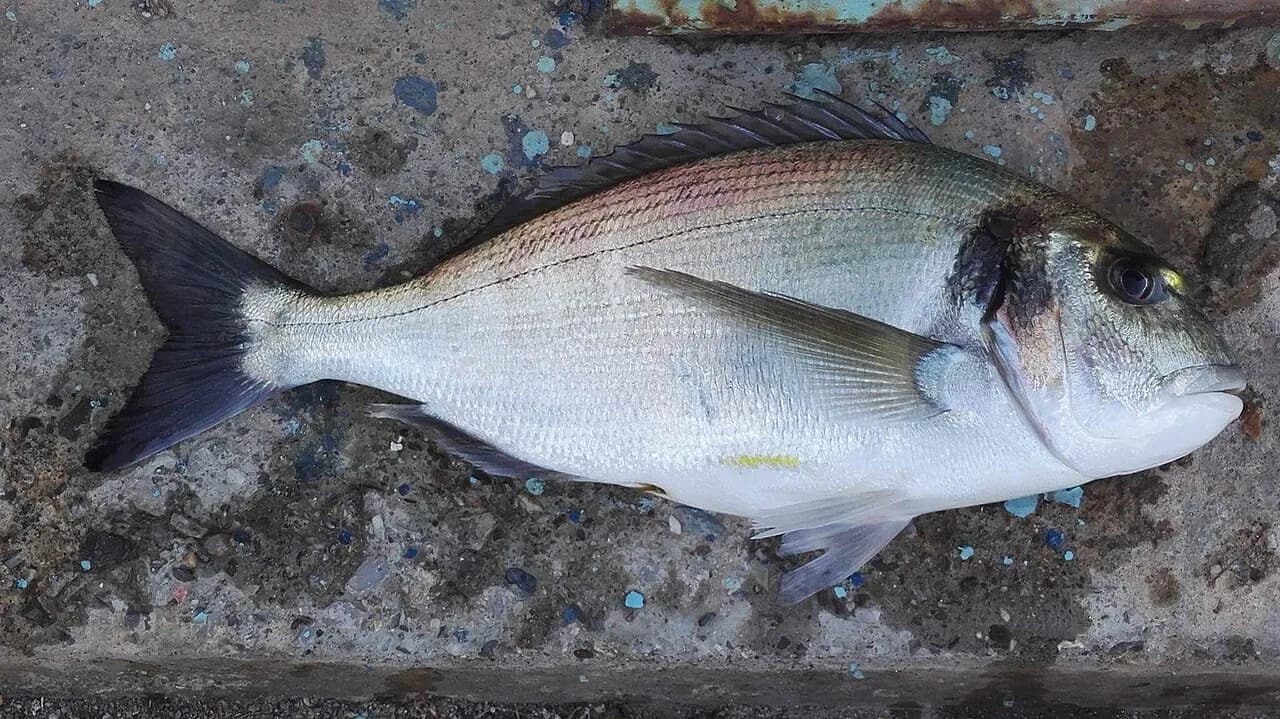
Orada: What Gilt-Head Bream Is and How It's Served in Croatia
Orada is the Croatian name for gilt-head bream, a firm white fish served grilled or baked whole. Here is how it is cooked, served and priced by the kilo.
On this page
Orada is the Croatian name for gilt-head bream, a firm-fleshed white fish with a mild, slightly sweet flavour. You will see it grilled whole, baked in a salt crust or finished in a light tomato sauce, and it is one of the safest bets on any Croatian fish menu. This guide covers the name and its common alternative spelling, how the fish is cooked, what arrives on the plate and how a whole fish priced by the kilo changes your bill.
What orada is
Orada is a sea bream, the silver fish with a gold band between the eyes that swims in the Adriatic and is farmed along the Croatian coast. It has a compact, oval body, so a single fish of moderate size makes a proper main course for one person. The flesh is white, firm enough to hold on the bone and mild enough that olive oil and lemon do most of the seasoning. Croatian seafood menus group it with the premium round fish, and it is an easy introduction if you are working through the wider world of Croatian seafood for the first time.
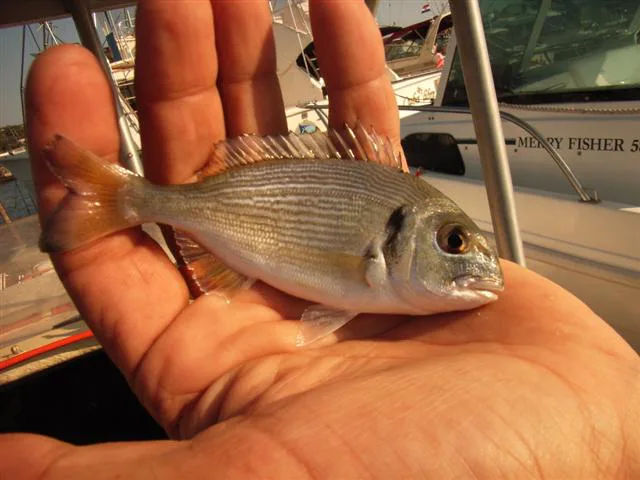
Orada and dorada: the same fish, two spellings
You will see the same fish listed as orada on some menus and dorada on others, and restaurants also write it as dorada in English-language translations. The two words describe one fish, so do not order both expecting different dishes. Dorada is a common spelling on menus along the Dalmatian coast, while orada turns up on Kvarner lists and in ordinary market speech. If the price of the dorada seems high next to the orada, check that you are not simply looking at two entries for the same catch.
Is orada the same as dorada? Yes. Orada and dorada are two spellings of the same fish, gilt-head bream.
What does orada taste like? The flesh is white, firm and mildly sweet, with a clean sea flavour rather than a strong oily one. Grilled whole with olive oil and lemon, it is one of the gentlest fish on a Croatian menu and a good choice for anyone who finds stronger fish too much.
Why is orada priced by the kilo? Croatian restaurants sell whole fish by weight, so the menu figure is the price per kilogram and your fish is weighed before cooking. A single portion is usually a fish of around 400 to 600 grams, so the amount you pay depends on the size selected for you.
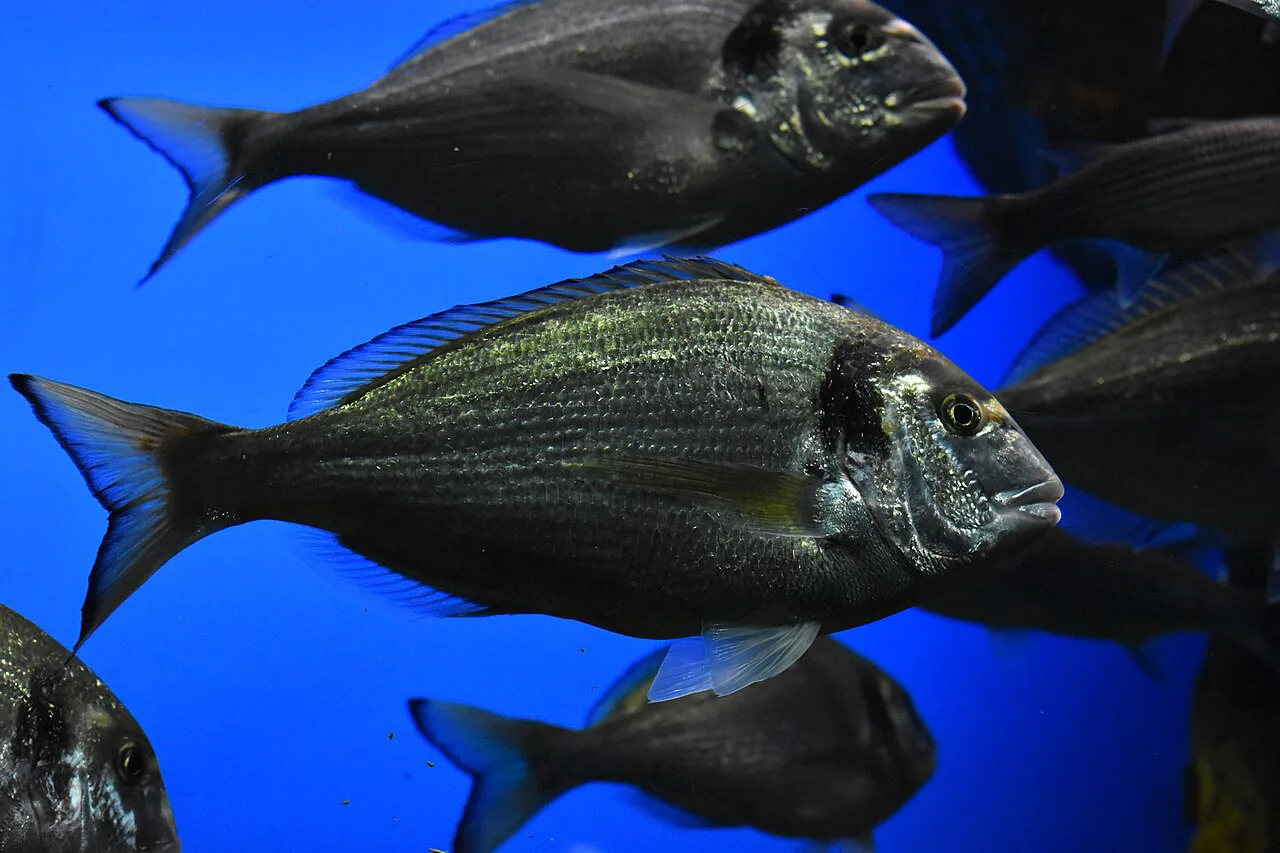
How orada is cooked: grilled, baked in salt or in a sauce
The default treatment is grilling over charcoal, which leaves the skin crisp and the flesh just set; ask for it without flour if you prefer the cleaner version. Larger fish are sometimes baked whole in a thick salt crust, cracked open at the table so the skin lifts away with the salt. A third option braises the fish in a buzara-style sauce of white wine, garlic, olive oil and tomato, the method Croatians also use for mussels and scampi, so it suits anyone who wants a wetter, more savoury plate. Cooked in a buzara sauce, orada rewards bread more than a squeeze of lemon does.
What orada tastes like and what arrives on the plate
Expect a mild, clean flavour with a touch of sweetness and a firm, flaky texture that holds together on the fork. It is served whole by default, head on and bones in, dressed with olive oil, lemon wedges and often a small pile of blitva, the Swiss chard and potato side that comes with most grilled fish. The head and the meat around the collar are the best eating, so do not push them aside. If bones put you off, ask the server to fillet it at the table; in most places that is a routine request rather than a fuss.
Ordering orada by the kilo
Whole fish in Croatia is usually sold by weight, so the menu price refers to one kilogram and your portion is weighed before it is cooked. A fish of around 400 to 600 grams is a normal single serving, which means the final cost is a fraction of the listed per-kilo figure. Ask to see the fish or have it weighed in front of you, and ask for the weight in grams so you can do the arithmetic yourself. Fresh fish on the Adriatic is generally priced higher than farmed, which is one reason the same species can sit at quite different points on a menu. Treat the printed figure as the number to check against the weight you are shown.
Orada next to the rest of the fish on the Kvarner coast
Kvarner cooking runs from the mountains to the sea, and its menus put bream alongside the shellfish and oily fish the region is known for. In Opatija, Kvarner scampi are a signature, served raw and marinated in olive oil and lemon, in a risotto, or à la buzara in a sauce, according to the official Kvarner gastronomy pages. On the Crikvenica Riviera, restaurants carry an Oily Fish Route label and serve small local oily fish under the name Crikveničke rupice, which are fried and eaten whole. Shellfish is equally present: mussels and prawns go into the same white wine and garlic sauce as bream, so a mixed order of fish and shellfish works well. The official Kvarner gastronomy pages give the full regional picture before you choose.
Whole fish or fillet: how to choose
A whole orada gives you the crisp skin, the collar meat and the chance to see exactly what you are paying for, and it is the better order if you are happy to deal with bones. A fillet is simpler to eat but is often cut from a larger fish and priced per portion rather than by weight, so it can cost more than the whole fish on the same menu. If you are dining with someone who does not eat fish, a plate of girice, the small fried fish served by the handful, or a portion of lignje na zaru, grilled squid, keeps the meal moving without doubling the fish order. Order the whole fish for the table to share and add a couple of small plates if you want variety.
Where orada fits in a Croatian fish meal
A typical fish lunch starts with something cold or soupy and moves to the main fish: Octopus Salad in Croatia, a bowl of riblja juha, or a plate of Adriatic sardines to begin, then the orada from the grill. If the table wants a shared centrepiece, a fish stew such as brudet or a pot of mussels in buzara sits naturally next to the bream. Round it off with blitva, a green salad and bread for the oil, and the meal needs nothing else. Keep the drinks modest: a glass of white wine or water suits the fish better than a long session at the table.
Ordering orada with confidence
Orada is gilt-head bream under its Croatian name, best ordered whole from the grill and weighed before it is cooked so you know what the plate will cost. Ask for the weight in grams, ask for it filleted if you prefer, and pair it with blitva, bread and lemon rather than loading the table with sides. If the fish on offer is uncertain, look at what the kitchen is cooking that day, because a whole fish that has just come off the grill is the strongest signal on the menu.
Explore more Croatia guides
Frequently Asked Questions
Is orada the same as dorada?
Yes. Orada and dorada are two spellings of the same fish, gilt-head bream. The dish is the same whichever word appears on the menu, and there is no need to order both to compare them.
What does orada taste like?
The flesh is white, firm and mildly sweet, with a clean sea flavour rather than a strong oily one. Grilled whole with olive oil and lemon, it is one of the gentlest fish on a Croatian menu and a good choice for anyone who finds stronger fish too much.
Why is orada priced by the kilo?
Croatian restaurants sell whole fish by weight, so the menu figure is the price per kilogram and your fish is weighed before cooking. A single portion is usually a fish of around 400 to 600 grams, so the amount you pay depends on the size selected for you.
Can I order orada without the head and bones?
You can ask the server to fillet it at the table, which is a normal request in Croatian fish restaurants. Many diners keep it whole because the meat around the collar and the crisp skin are the best parts of the fish.
Is orada served with anything?
It usually comes with lemon and olive oil, and often with blitva, the Swiss chard and potato side that accompanies grilled fish across the coast. Bread is worth ordering to mop up the oil, and a plain green salad keeps the plate light.
Sources
Notes on eating well in Croatia
Optional updates to our food guides.
You might also like



Continue reading
More guides you'll find useful





