
Croatian Honey: What It Is, Where to Buy It and How to Eat It
Croatian honey is sold as med, from acacia and chestnut to honeycomb in jars. Learn what to look for at markets and delis and how to bring it home.
On this page
Croatian honey is called med, and that single word is what you look for on a label or a market stall. It is sold across the country in glass jars, from small gift boxes to everyday pottery pots, and the flower source matters more than the packaging. This guide covers the flower honeys you are most likely to find, the difference between runny, creamy and comb honey, and how to eat it with Croatian cheese and bread.
Treat honey as part of the same shopping trip as olive oil, cheese and cured meat rather than a stand-alone souvenir; the Croatian Delicacies guide covers the wider larder. A jar weighs around 400 to 900 grams, which matters by the time you pack a suitcase, so decide early whether you are buying a gift or something to open at breakfast.
What Croatian Honey Is and Why It Is Called Med
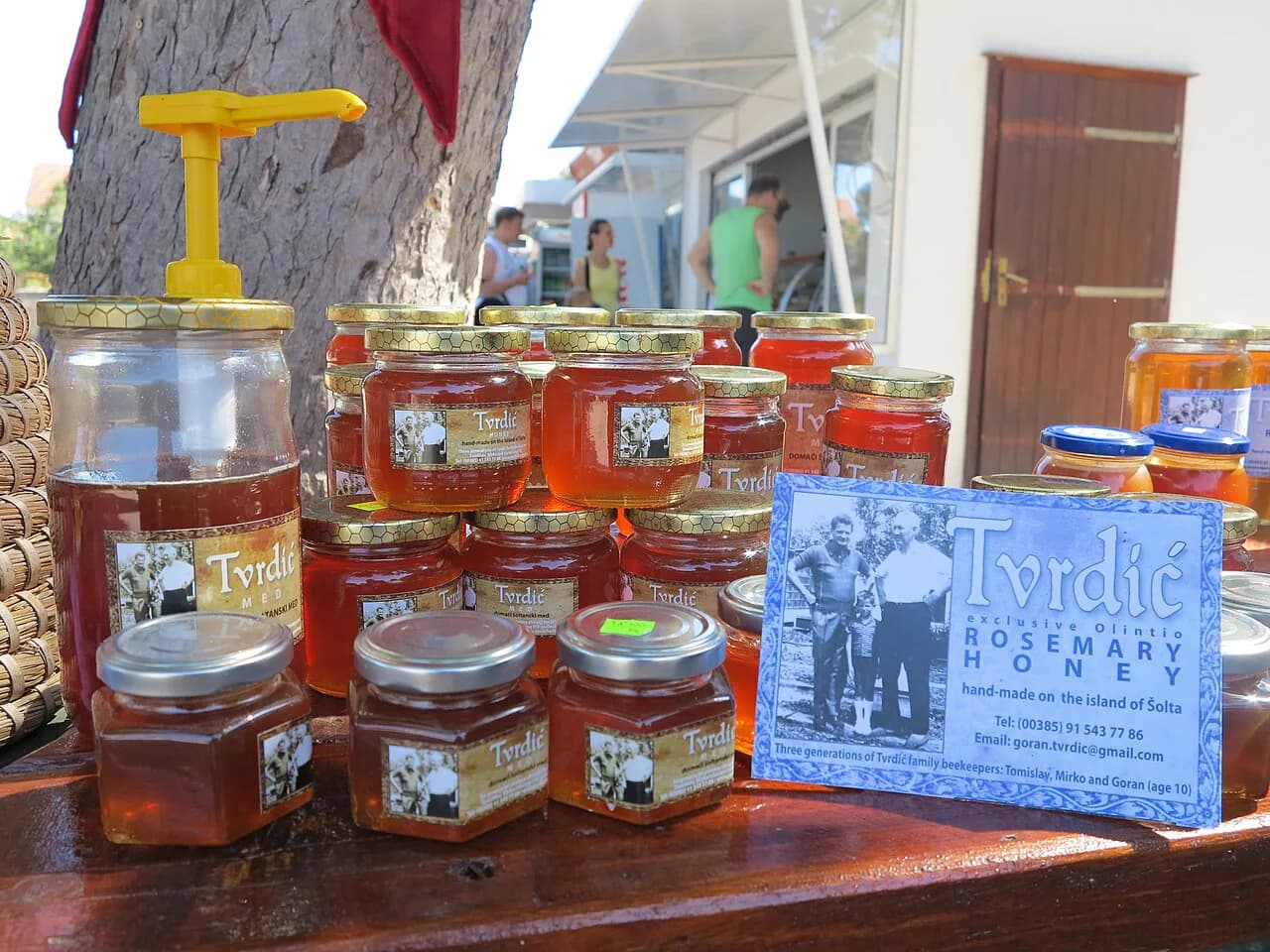
Med is simply the Croatian word for honey, so a jar marked med, cvjetni med (flower honey) or bagremov med (acacia honey) is telling you the type rather than a brand. Croatian honey is produced on a small, regional scale, and jars often carry the producer's name and village rather than a large company logo.
Honey sits naturally alongside the rest of the Croatian larder, which is built on olive oil, cheese, cured ham and bread. If you are assembling a picnic or a present, think of honey as the sweet counterweight to those savoury staples.
The Main Flower Honeys You Will See in Croatia
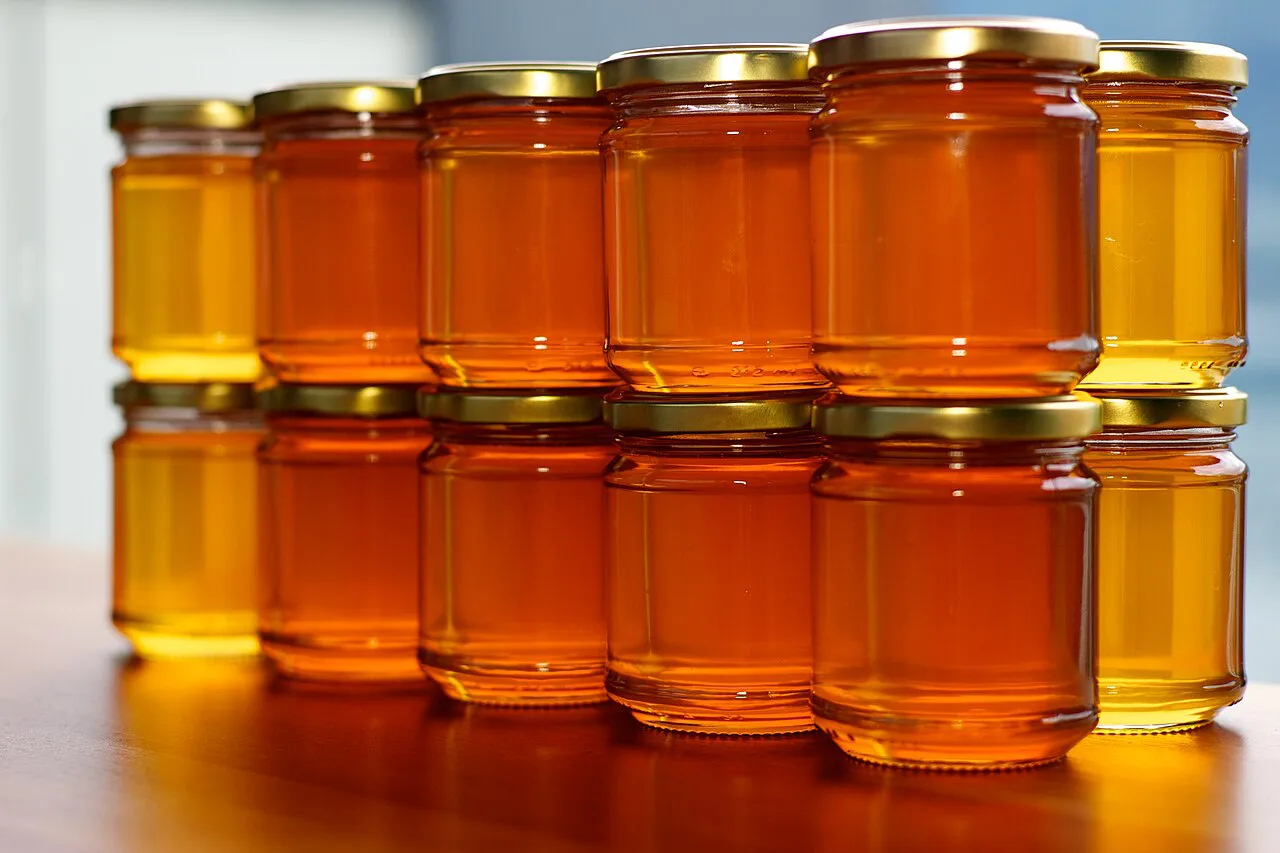
Acacia honey (bagremov med) is the pale, mild one that most travellers recognise, and it is a safe jar to buy if you want something gentle for tea or yoghurt. Chestnut honey (kestenov med) is much darker and more savoury, an acquired taste that many people prefer with strong cheese rather than with breakfast.
What is the Croatian word for honey? The Croatian word for honey is med. You will see it on jars alongside the flower name, such as bagremov med for acacia honey or cvjetni med for flower honey, and kremasti med for creamy honey.
Which Croatian honey should I buy as a gift? A small jar of acacia or flower honey is a safe gift because the flavour is mild. If presentation matters more than practicality, honeycomb or honey packed with dried fruit in a decorative container looks more finished but weighs more and is messier to carry.
Can I take Croatian honey home in hand luggage? Honey is treated as a liquid at airport security, so a standard jar will not pass through the cabin unless it falls within your liquids allowance. Pack jars in checked baggage, sealed in a plastic bag and wrapped in clothing to absorb a break.
Flower honey (cvjetni med) sits in the middle, a mixed-source honey that changes with the season and the region, and it is the jar many small producers sell as their everyday honey. Other single-flower honeys such as sage (kadulja) also appear, though which ones are on a given shelf depends on the season and the beekeeper.
Honeycomb, Creamy Honey and Dry-Fruit Honey: What You Are Buying
Creamy honey (kremasti med) is whipped or finely crystallised so it spreads like soft butter instead of running off a spoon, which makes it the practical choice for bread and toast. Honeycomb in a jar gives you the wax cells intact, so you chew the comb and spit out the wax; buy it as a treat to eat at home rather than something to spread.
Honey sold with dried fruit mixed in is a different product again, closer to a gift jar than a plain honey, and it is often packed in clay, ceramic or a decorative glass container. Croatian gift ranges list honeycomb in eco honey, organic honey in a clay jar, ecological creamy honey and ecological honey with dried fruit, which shows how much the packaging does the work.
Where to Buy Honey in Croatia: Markets, Delis and Souvenir Shops
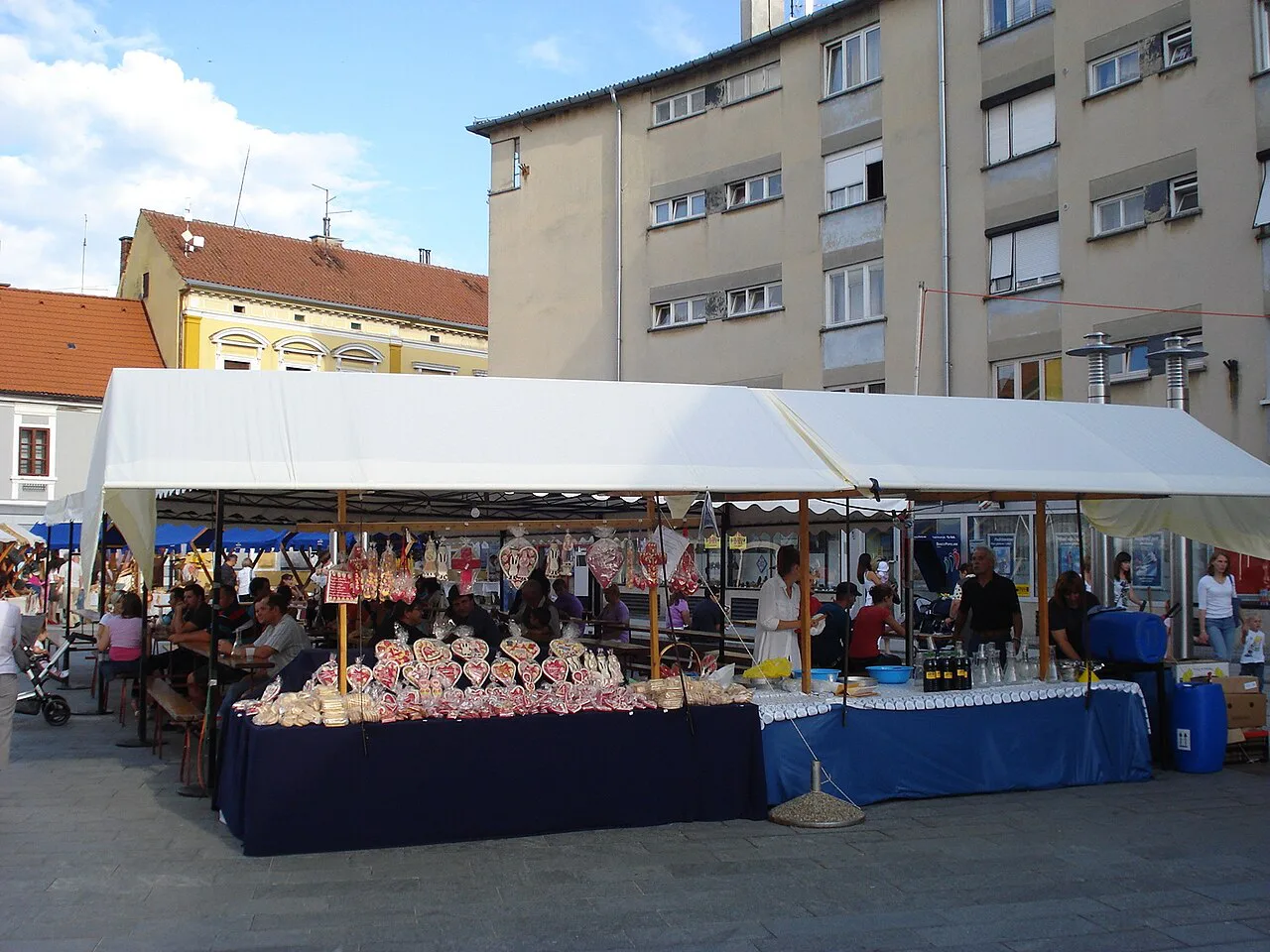
The best-value honey usually comes from a market stall, a producer's stand or a small family outlet, where you can see the jar, read the label and ask which flower it is. Big city markets in Zagreb, Split and Rijeka are a good place to start, and any town market with a beekeeping stall is worth a look.
Souvenir shops and gift ranges sell honey in presentation boxes, often with honeycomb or dried fruit, and these cost more for the same volume because you are paying for the packaging. Buy there when you need a gift that looks finished, and go to a deli or producer for the jars you plan to eat yourself.
If you are staying in Istria, honey is a natural companion to olive oil tasting, since both are sold at small family stands and both reward asking about the source.
How to Read a Croatian Honey Label
Look first for the flower: bagrem (acacia), kesten (chestnut), cvjetni (flower) or kadulja (sage) tells you what you are getting. Next look for the producer's name and place, which is usually on a small printed label rather than the front design, and for the net weight in grams.
Words such as eko or organski mean the honey is sold as organic, and creamy honey is labelled kremasti. If a term is unfamiliar, the vendor at a market will usually explain it; in a shop, ask staff or read the back label before paying for a gift box.
Buying Honey as a Souvenir and Carrying It Home
Honey counts as a liquid for airport security, so a full-size jar will not pass through hand luggage unless it sits within your liquids allowance and is packed accordingly. The reliable option is to put jars in checked baggage, wrapped in clothing and sealed in a plastic bag against leaks.
Glass jars and ceramic pots are heavy, so weigh the trade-off before you fall for a big ceramic pot: made-in-croatia.com.hr lists honey jars from 100 grams up to 900 grams, so a small 100- or 250-gram jar does the same job as a gift for far less weight. Honeycomb and dry-fruit honey in decorative containers are the prettiest presents and the least efficient to carry.
How to Use Croatian Honey with Croatian Dishes and Cheeses
The classic pairing is honey with hard sheep's cheese such as paški sir, sliced thin and drizzled at the table, where the sweetness cuts through the salt. The same honey works with pršut, the dry-cured ham of Dalmatia and Istria, or with a slab of kulen alongside bread.
At breakfast, creamy honey spread on Croatian bread is the easiest use, and it also suits fresh cheese or yoghurt. If you are eating a Dalmatian fish lunch, keep honey for the cheese course rather than the fish, where its sweetness would fight the olive oil and garlic.
On the Dalmatian coast, honey is best treated as a finish to the meal, part of a dessert or cheese plate rather than the main event. Pair it with fresh or dried figs and a little cheese for a simple finish.
Should You Buy Croatian Honey?
Yes, if you want a light, useful souvenir that shows what a Croatian beekeeper did with a particular flower season. Buy a modest jar of bagremov med or kremasti med for the kitchen and, if you need a gift, choose a honeycomb or dry-fruit jar for its look rather than its weight.
Skip the large ceramic pots if you are travelling with hand luggage only, and remember that the flower name on the label is the single best guide to what the honey will taste like.
Explore more Croatia guides
Frequently Asked Questions
What is the Croatian word for honey?
The Croatian word for honey is med. You will see it on jars alongside the flower name, such as bagremov med for acacia honey or cvjetni med for flower honey, and kremasti med for creamy honey.
Which Croatian honey should I buy as a gift?
A small jar of acacia or flower honey is a safe gift because the flavour is mild. If presentation matters more than practicality, honeycomb or honey packed with dried fruit in a decorative container looks more finished but weighs more and is messier to carry.
Can I take Croatian honey home in hand luggage?
Honey is treated as a liquid at airport security, so a standard jar will not pass through the cabin unless it falls within your liquids allowance. Pack jars in checked baggage, sealed in a plastic bag and wrapped in clothing to absorb a break.
Sources
Notes on eating well in Croatia
Optional updates to our food guides.
You might also like



Continue reading
More guides you'll find useful





