
Mali Ston Oysters: Where They Come From and Where to Eat Them
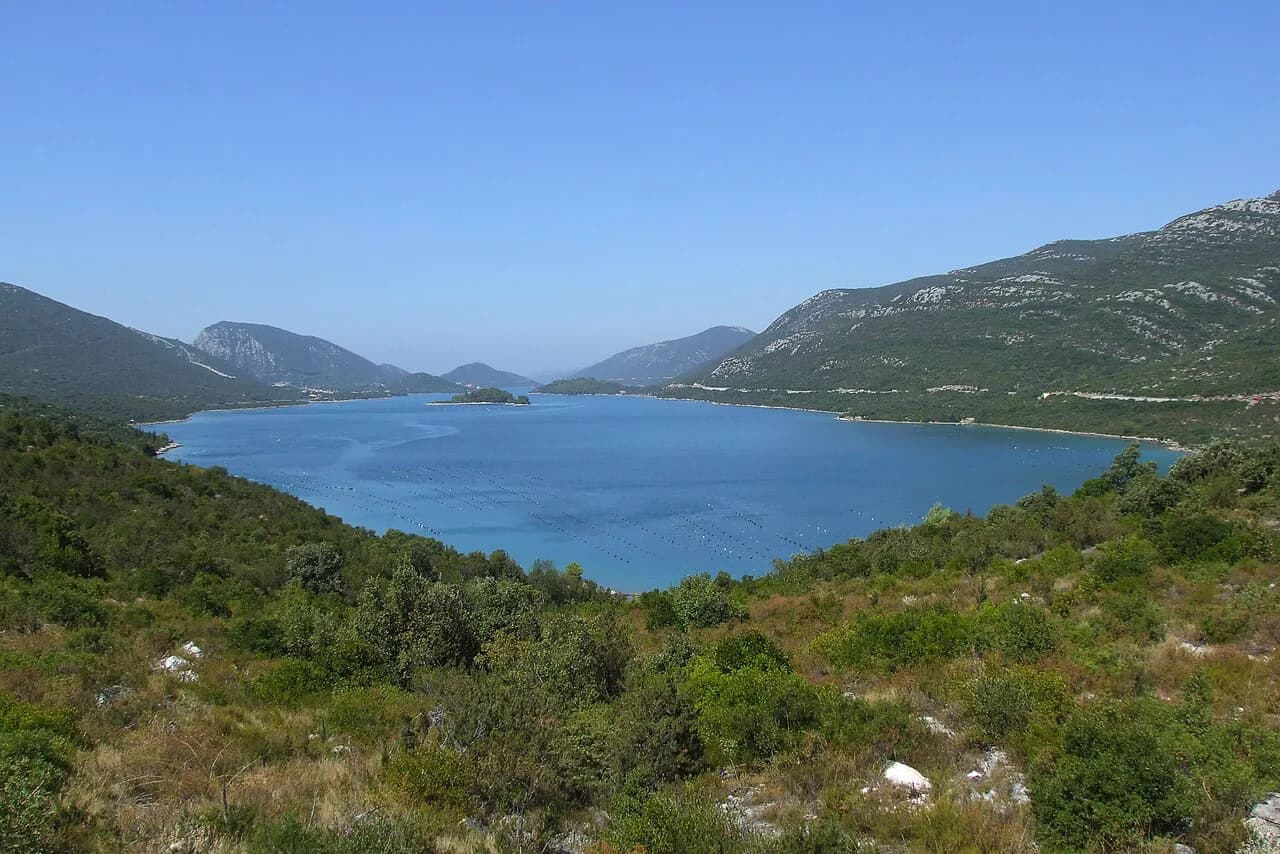
Mali Ston oysters grow in a sheltered bay on the Pelješac peninsula. Here is why they taste as they do and where to eat them in Mali Ston village.
On this page
Mali Ston oysters are European flat oysters, Ostrea edulis, grown in the sheltered bay below the Pelješac peninsula, and they are the reason a village of fewer than 200 people has a reputation that reaches well beyond Croatia. The bay is a rare piece of water where salt meets fresh, and the oysters raised there are served raw on the half shell a short walk from the beds. This guide explains what the oysters are, how the farms work, where the restaurants sit and how to fit Mali Ston into a drive along the Dalmatian coast.
What Mali Ston oysters actually are
The oyster in question is the European flat oyster, known to biologists as Ostrea edulis, a native species with a flat, roundish shell and a full, clean flavour rather than the briny sharpness of some Atlantic rock oysters. The bay of Mali Ston is described by the Dubrovnik Sun Gardens resort as the only successful breeding ground in the world for this species, and the same bay also produces Mediterranean mussels. When you order kamenice in Mali Ston, this is what arrives.
Why the bay suits them. The flavour comes from the water. Mali Ston Bay is loaded with salt, and the nearby Neretva river discharges mineral-heavy fresh water from karst springs into the same inlet, while the seabed is rich in phytoplankton..
How the oysters are farmed. Farming starts with wild spat collected from the bay, after which the young oysters are cemented and hung on ropes in the water, a technique described as unique to this part of the world; mussels nearby are reared in floating or fixed parks on nylon or wire sockets.
Ston and Mali Ston: which is which. Ston and Mali Ston are neighbouring settlements at the base of the Pelješac peninsula, connected by the long stone walls built to protect the lucrative salt pans, which once contributed a third of the annual budget of the Dubrovnik Republic.
Flat oysters are not the only thing worth knowing about the region's seafood, and the Dalmatian coast more widely has a repertoire built on what comes out of the water each morning. If you want the wider picture of what to eat alongside them, from cured ham to cheese and seafood stews, our guide to Croatian delicacies sets out the staples worth ordering.
Why the bay suits them
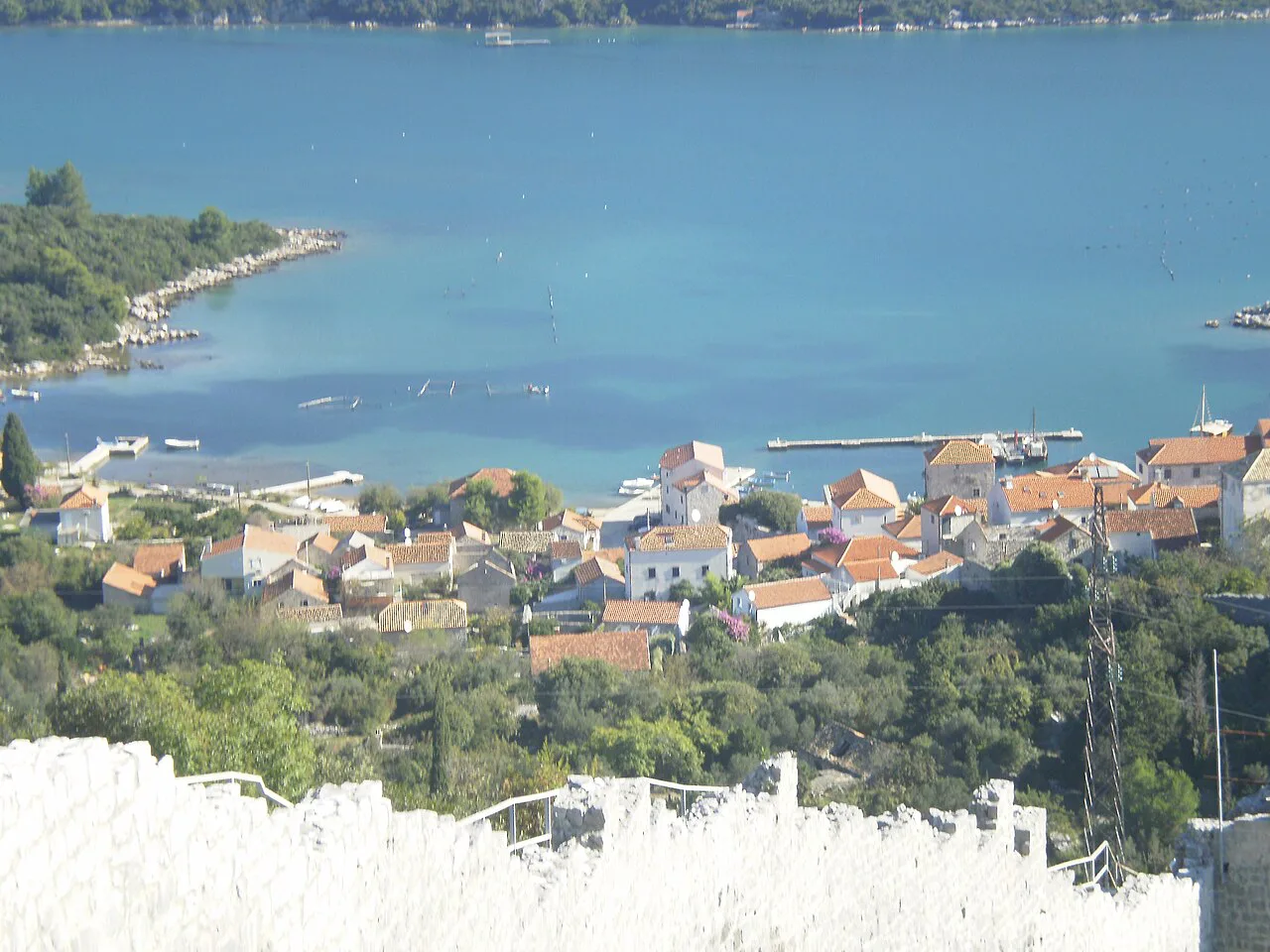
The flavour comes from the water. Mali Ston Bay is loaded with salt, and the nearby Neretva river discharges mineral-heavy fresh water from karst springs into the same inlet, while the seabed is rich in phytoplankton. That combination of salt, fresh water and food is what gives the oysters their sweetness and body, and it is why the bay has been treated as a natural larder for centuries.
The bay sits at the foot of the Pelješac peninsula, and the approach along the narrow coastal road rounds a corner into a wide, sheltered inlet ringed by stone walls. It is easy to miss the turning for Mali Ston if you are heading straight through Ston, which is part of why the village keeps a quieter feel than its larger neighbour.
How the oysters are farmed
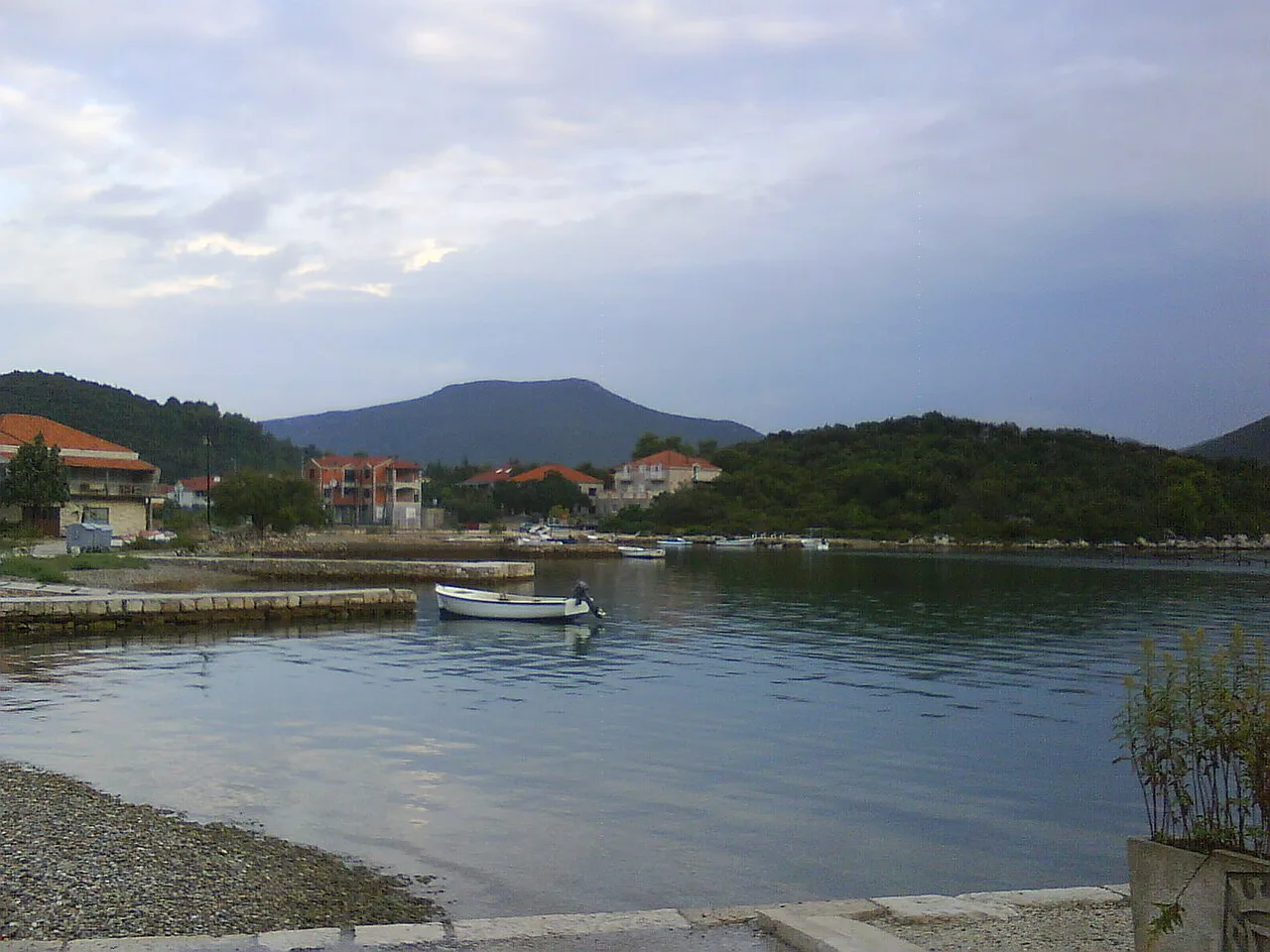
Farming starts with wild spat collected from the bay, after which the young oysters are cemented and hung on ropes in the water, a technique described as unique to this part of the world; mussels nearby are reared in floating or fixed parks on nylon or wire sockets. The oysters take around three years to reach maturity, which is a useful thing to remember when you are looking at a plate of them.
Mariculture here is not a modern invention. Roman chroniclers noted primitive oyster farming using petrified oak branches with shells attached, 17th-century records describe the collection and sale of oysters sent across Europe, and later documents set out how rearing concessions were granted. The trade contracted during the Second World War, but the beds in Mali Ston survived and still supply the village's tables.
Ston and Mali Ston: which is which
Ston and Mali Ston are neighbouring settlements at the base of the Pelješac peninsula, connected by the long stone walls built to protect the lucrative salt pans, which once contributed a third of the annual budget of the Dubrovnik Republic. Mali means small, and Mali Ston is the smaller of the two, sitting right on the bay where the oyster farms and the harbour-side restaurants are. Ston is the larger town on the main road, and it is easy to drive through it without realising the oyster village is a short turn away.
For eating purposes, head for Mali Ston. The bay-side setting puts you within sight of the water the oysters came out of, and the village is compact enough to walk from one end to the other in a few minutes. If you are planning a wider eating itinerary across the region, our Dalmatian coast coverage is the place to start.
Bota Sare in Mali Ston
Bota Sare is the name most associated with Mali Ston oysters, a seafood restaurant whose terrace wraps around the small harbour with a view of the ramparts above the village. It is a harbour-side fish restaurant first and an oyster address second, which is the right way round: the menu runs across the catch of the day as well as the shellfish. The business has since expanded to locations in Split, Dubrovnik and Zagreb, but the Mali Ston original is the one with the water in front of it.
Order the oysters raw to start, then move on to fish prepared in the traditional Dalmatian way, with vegetables from the restaurant's own garden. A plate of pršut and a bowl of crni rižot, the dark squid-ink risotto, are the other classic openers on a Dalmatian seafood menu and make a sensible order if some of the table are unsure about raw shellfish.
The oyster farm and the floating bar
Bota Sare also runs a boat trip out onto the bay to see the oyster beds, with a floating bar where oysters are shucked on the water and an expert guide explains the process. It is the clearest way to connect the plate to the bay, and it turns a lunch stop into an hour or two on the water. There is no better illustration of how the ropes and beds work than seeing them from the boat with the walls of Ston behind you.
Treat the boat trip as a separate decision from lunch. A harbour table is the low-effort option, requiring nothing more than turning up and ordering; the farm visit asks for more time and a willingness to be on the water, and it is best arranged directly with the restaurant before you travel.
How to eat them, and what to drink
The local way is raw on the half shell, with lemon and nothing else that gets in the way. Beyond that, oysters turn up in cooked dishes and as part of larger seafood spreads, and a five-course oyster menu has been served in the area for anyone who wants to work through the possibilities in one sitting.
To drink, a crisp white or a light red from southern Dalmatia works with shellfish, and rakija, the strong Balkan fruit spirit, is the traditional way to finish. Keep it to a small glass. If you want to build the meal around local produce more broadly, olive oil from the coast is worth seeking out, and our olive oil tasting guide explains what to look for in the bottle.
Getting there from Dubrovnik
Mali Ston is less than an hour's drive north of Dubrovnik, on the coast road towards the Pelješac peninsula, which makes it an easy stop on the way to Korčula or a half-day run from the city. You can visit both Ston and Mali Ston in the same trip, and the turning for the oyster village comes after you pass through Ston itself.
If you are driving the peninsula, build the stop around lunch rather than squeezing it in at the end of the day. The village is small, the restaurants are the reason to be there, and arriving with time to sit down is the whole point of the detour.
When the oysters are at their best
Oysters are fullest and most delicious in March, when St Joseph's Day is celebrated in Dubrovnik and in Ston and Mali Ston. That is a traditional marker of the season rather than a fixed date to plan around, and it tells you when the shellfish are in their best condition.
Outside the spring peak the oysters are still farmed and served, but the March window is the one the locals associate with the best condition. If your trip falls at another time of year, the fish and the rest of the seafood menu are reason enough to make the stop.
Is the Mali Ston detour worth it?
Yes, if you are driving the coast road between Dubrovnik and the Pelješac peninsula and you eat shellfish. The detour costs you a turning off the main road and an hour at the table, and in return you get flat oysters eaten within sight of the bay they grew in, at a harbour-side restaurant with a view of the Ston walls.
Skip the boat trip if your schedule is tight and book a table in the village instead; take the farm visit if you want to understand what makes the bay different before you eat. Either way, go in spring if you can, and go hungry.
Explore more Croatia guides
Sources
Notes on eating well in Croatia
Optional updates to our food guides.
You might also like



Continue reading
More guides you'll find useful





