
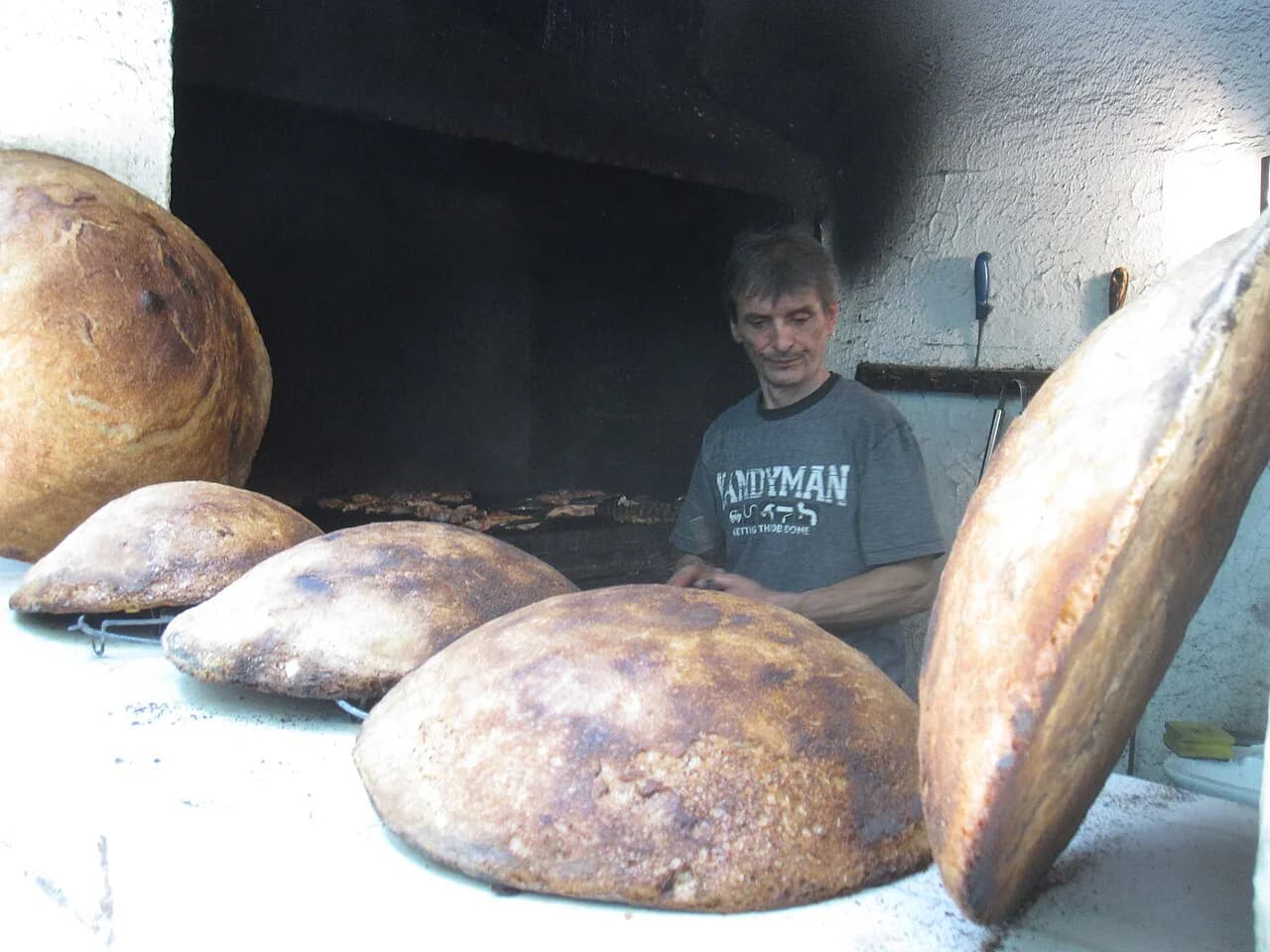
Croatian Bread: What to Buy at a Pekara, from Lepinje to Polubijeli
A practical guide to Croatian bread: what lepinje, pita, polubijeli and Easter bread are, what to order with ćevapi, and how to buy a loaf in a pekara.
On this page
If you order ćevapi in Croatia, the bread that arrives underneath them will almost certainly be lepinje, a soft flatbread. For breakfast or a picnic, the loaf to buy in a pekara is usually polubijeli, the semi-white bread that dominates Croatian bread sales. This guide covers both ends of that spectrum: flatbreads, everyday loaves, the kajmak spread that goes with grilled meat, and the enriched Easter loaf.
It sticks to what each bread is and how it turns up on a table or counter, so you can order without guesswork. It also translates the handful of bakery terms you actually need.
What Croatian bread is
Croatian bread covers two everyday things. One is the flatbread baked to sit beside grilled meat and spreads; the other is the sliced loaf bought fresh from a pekara, the neighbourhood bakery. Knowing which one a menu or a shop is talking about is most of the battle.
Lepinje: the soft flatbread. Lepinje (singular lepinja) is a soft flatbread, and it is the usual partner to ćevapi, the grilled minced-meat fingers that are one of the country's most recognisable orders.
Pita versus lepinja. Visitors often meet both names in the same week and assume they are interchangeable.
Polubijeli and white bread: the everyday loaves. In Croatian bakeries, the loaf that sells in the greatest volume is not a speciality bread.
A good way to place bread in the wider picture is to think of it as the base layer of the Croatian table, alongside the cured meats, cheeses and seafood that make up the rest of the Croatian delicacies. Bread is rarely the star, but it decides whether a plate of grilled meat or a bowl of fish stew works.
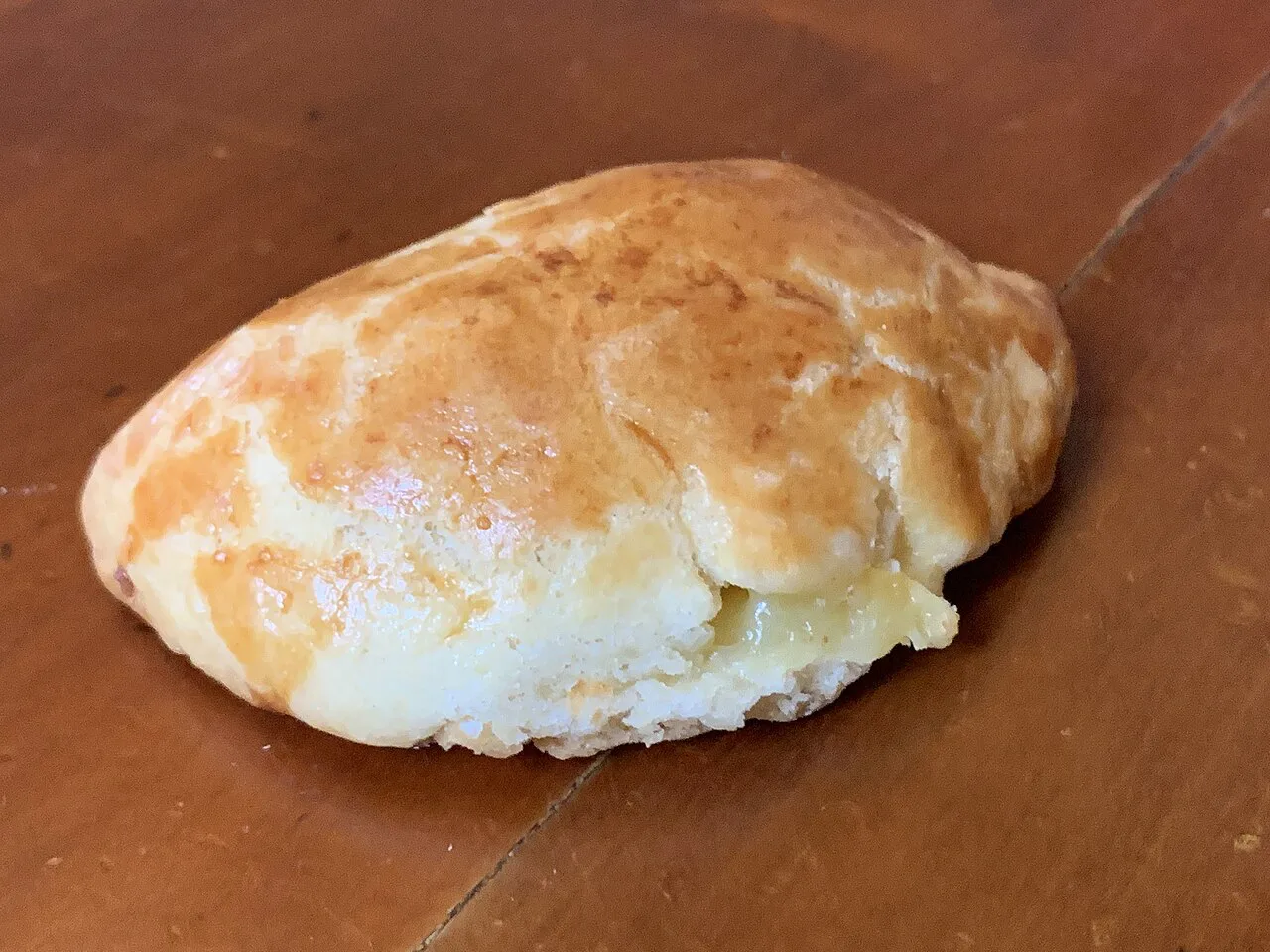
Lepinje: the soft flatbread
Lepinje (singular lepinja) is a soft flatbread, and it is the usual partner to ćevapi, the grilled minced-meat fingers that are one of the country's most recognisable orders. The bread is there to be torn and used to scoop up meat, raw onion and kajmak.
The bread is made from a simple dough, portioned into rounds and baked so it puffs and stays soft rather than crisp. That softness is the point: a lepinja should bend round what goes inside it instead of cracking. Flatbreads like this are baked at home as well as bought, and they sit naturally alongside other Croatian baking.
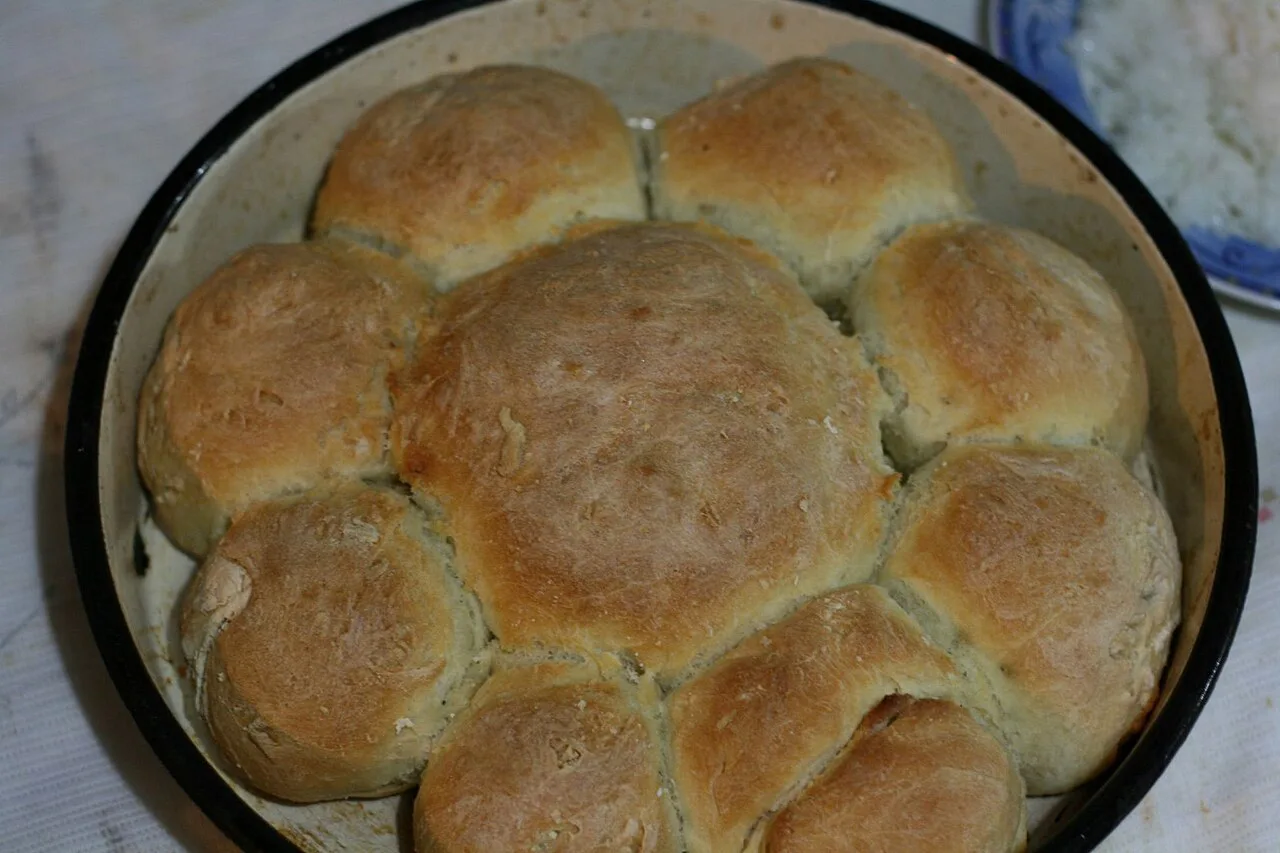
Pita versus lepinja
Visitors often meet both names in the same week and assume they are interchangeable. Lepinja and pita are two distinct names for Croatian flatbreads, and the safest approach is to read the menu rather than assume which one will appear with your dish.
When you order grilled meat, the bread listed is normally lepinje. Where pita appears on a menu, treat it as its own bread on the plate rather than a synonym for the lepinja you had yesterday, and judge it on what arrives: thickness, softness, whether it is served warm. Neither bread carries a protected-origin label in Croatia; they are everyday bakes, so quality varies by bakery rather than by protected designation.
Polubijeli and white bread: the everyday loaves
In Croatian bakeries, the loaf that sells in the greatest volume is not a speciality bread. Polubijeli, meaning semi-white, and white bread together account for around 70 per cent of all bread sold in Croatia, according to figures reported by SpeakCro.
For a visitor, that statistic is a shopping instruction: ask for polubijeli if you want the loaf Croatians buy most, and expect a soft crumb rather than a sour, dark rye. It suits cheese, cured meat and the kajmak below. If you want something darker or seeded, point at it in the basket rather than assuming a name will be understood.
Kajmak with bread
Kajmak is a soft, creamy dairy spread, and it is the natural companion to lepinje and grilled meat. Order it when you order ćevapi: the bread, the meat and the kajmak are eaten together rather than in sequence.
Spread a spoonful on torn bread, add a piece of meat and a sliver of raw onion, and you have the standard construction. The same instinct applies elsewhere on the table: Croatian eating pairs bread with something rich and salty, which is why the country's cheeses and cured meats reward being eaten with a plain loaf. That is the thread running through the Croatian delicacies.
Croatian Easter bread: the celebratory loaf
Croatian Easter bread is an enriched, celebratory loaf rather than a daily one. It is a sweet, festive bake made for the Easter period, and the shaping and decoration are part of the tradition rather than an afterthought.
A home baker shapes the dough into decorated forms, which is why you see Easter breads plaited or moulded rather than baked as a plain tin loaf. If you want to bake one yourself, follow a written recipe closely, since enriched dough behaves differently from the everyday loaves above. Outside Easter, expect the pekara to be selling polubijeli, not this.
Buying bread in a pekara
A pekara is a bakery shop, and it works in a straightforward way: you queue at the counter, ask for a loaf by name, and it is handed over or weighed. Small loaves and rolls are usually counted out; larger loaves are often sold whole.
Shop in the morning if you want the freshest bread, because bakeries bake for the day and the best of it goes early. Use the translated terms further down at the counter, and if you want a specific loaf, point at it in the basket rather than relying on pronunciation. Bread is cheap and eaten fresh, so buy for the day rather than the week.
Bread with a meal in a konoba
In a konoba, bread may arrive in a basket before you order, sometimes with olive oil. Treat it as part of the table rather than a course: tear it, dip it, and use it with the kajmak or the fish. If the oil is the part you want to follow up, Olive Oil Tasting covers where to try it in Istria.
What you order alongside depends on the coast. On the Dalmatian coast, a fish stew or crni rižot (black risotto, coloured with cuttlefish ink) wants bread to mop the bowl, which is where bread earns its place at a seafood table. Order a side of bread if it is not offered, and keep the rest of your order simple so the bread does its job.
Croatian bread terms translated
Lepinje (singular lepinja) is a soft flatbread served with grilled meat. Pita is a separate flatbread name you will see on menus. Polubijeli is semi-white bread, the everyday loaf, and kajmak is the creamy dairy spread eaten with lepinje and ćevapi. Pekara is the bakery shop.
Those five words will get you through most bakery and menu situations. If you want to go further into Croatian produce, the guide to Croatian Delicacies covers the cheeses, cured meats and seafood that share the table with bread. If you are in Istria and pairing bread with oil, Olive Oil Tasting is the natural next step, and there is a separate guide to Croatian olive oil for the bottles to look for.
Which bread to order first
Order lepinje with ćevapi and kajmak, and buy polubijeli from a pekara for breakfast. Those two choices cover the everyday Croatian bread experience, and the Easter loaf is the one to seek out if you are in the country in spring.
If you are building a meal around bread, keep the rest of the plate simple: grilled meat, a soft cheese, a little cured sausage. That is how the Croatian Delicacies are eaten, and it is the best way to judge a bakery's bread.
Explore more Croatia guides
Sources
Notes on eating well in Croatia
Optional updates to our food guides.
You might also like



Continue reading
More guides you'll find useful





