
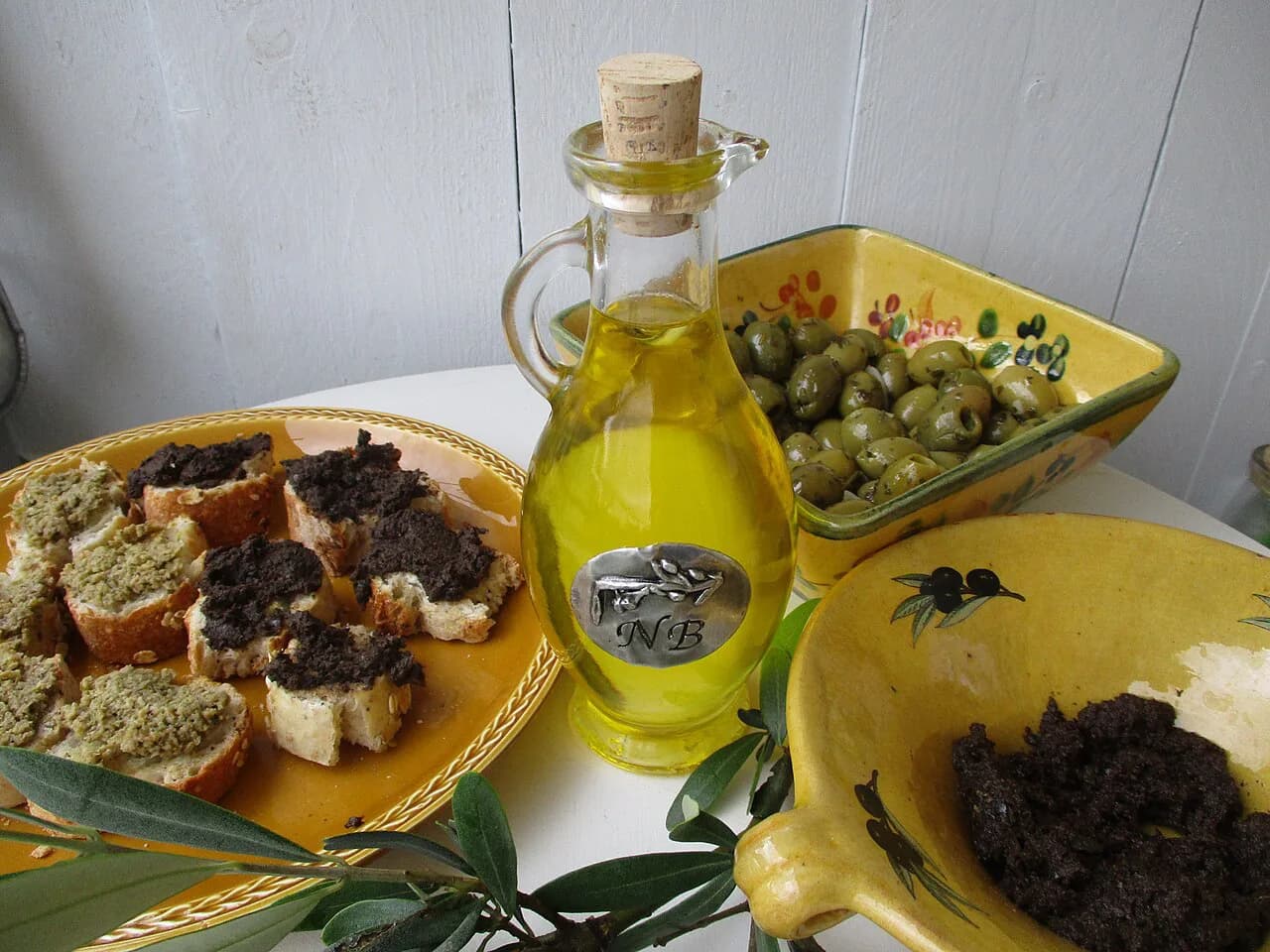
Croatian Olive Oil: What It Is and Where to Find It
Croatian olive oil comes mostly from Istria and the Kvarner islands, sold at markets and producer shops. What extra virgin means, how it tastes and what to buy.
On this page
Croatian olive oil is good, and the bottles worth seeking out come mainly from Istria and the Kvarner islands, where olives are a working part of the landscape rather than a souvenir sideline. Buy at a market stall, a producer's shop or a deli with regional stock, and you get oil with a named origin and a harvest date on the label. This guide covers what extra virgin means in practice, how Istrian and Kvarner oils differ, and how to buy without wasting luggage space.
Croatia is a serious olive country, not a novelty one: Krk olive oil carries protected designation of origin, and Istrian and Kvarner kitchens cook with local oil as a matter of course. What you will not find here is a world ranking, because the right choice depends on whether you want a peppery oil for fish or a softer one for bread and cheese.
What Croatian Olive Oil Is and Where It Comes From
Croatian olive oil is a coastal product, pressed from groves along the Adriatic and on the islands, with Istria and the Kvarner Gulf supplying most of what a visitor encounters. The oil is treated as an ingredient first and a gift second, which is why restaurants dress fish and vegetables with it. Label reading is straightforward: look for extra virgin, an origin more specific than Croatia, and a harvest date.
Why Istria and the Kvarner Islands Dominate. Kvarner's tourism board describes the region's gastronomy as a meeting of continental and Mediterranean cooking, with quality labels, Kvarner Gourmet and Kvarner Food, awarded to eating establishments since 2012 to help visitors find local dishes.
Extra Virgin and Protected Origin: What the Labels Tell You. Extra virgin is the grade to buy for dressings, bread and finishing, and it is the grade Croatian producers most often put their name to.
How Istrian and Kvarner Oils Differ in Taste. Both regions cook with their own oil, and the useful distinction for a visitor is what the oil sits alongside: in Istria, cured ham, truffles and grilled fish; on the Kvarner islands, scampi, lamb and sheep's cheese.
For context on what shares the same shop shelves, our guide to Croatian delicacies covers the cured meats, cheeses and seafood you will pack alongside a bottle. That matters when assembling a picnic or a suitcase, because oil is heavy and should be bought alongside lighter things rather than instead of them.
If you want to taste before committing, an olive oil tasting session in Istria lets you compare several oils side by side and work out which style you actually like. It is the fastest way to understand why two bottles from the same region taste completely different.
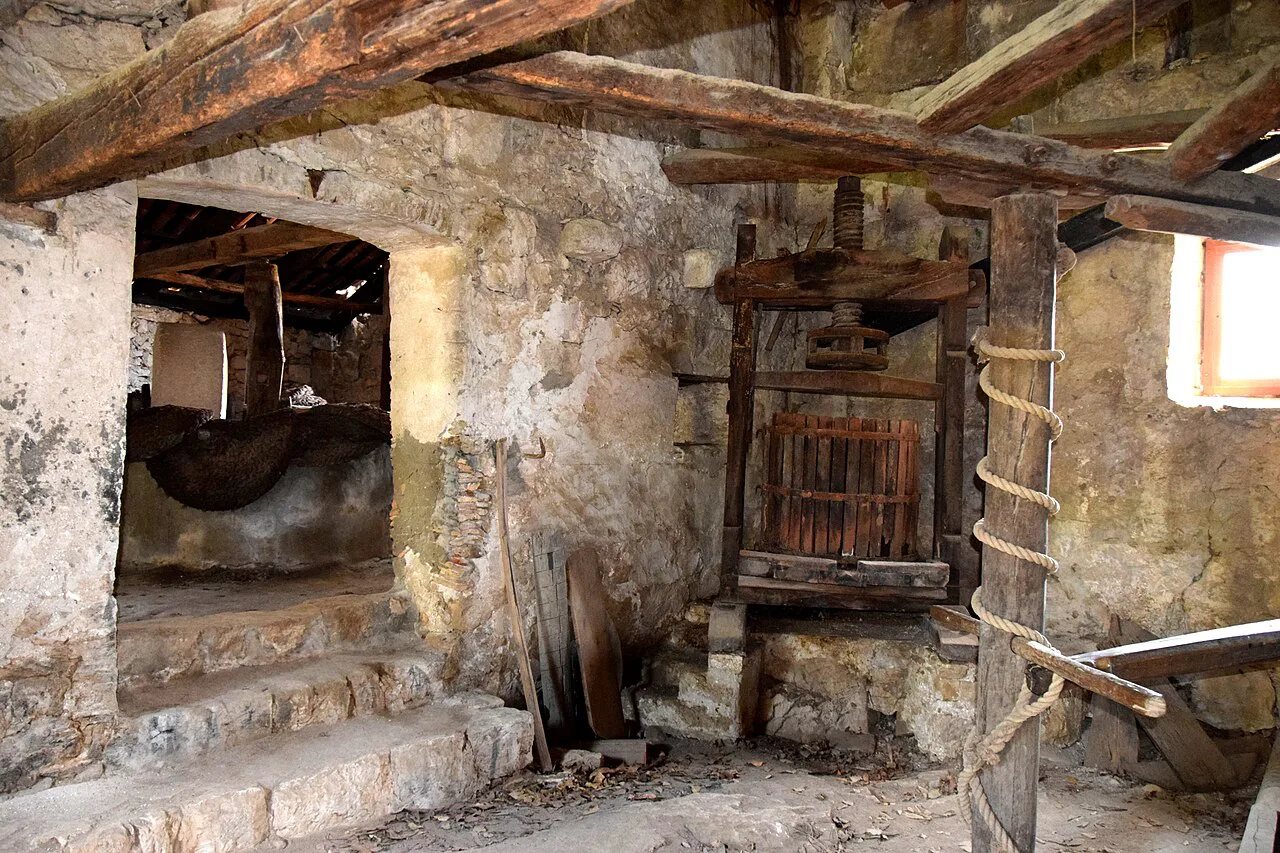
Why Istria and the Kvarner Islands Dominate
Kvarner's tourism board describes the region's gastronomy as a meeting of continental and Mediterranean cooking, with quality labels, Kvarner Gourmet and Kvarner Food, awarded to eating establishments since 2012 to help visitors find local dishes. Those labels are a useful shortcut when you want a kitchen that cooks with regional ingredients, oil included.
In Istria, oil is bound up with the region's protected foods: Istrian pršut, the dry-cured ham, is dried in the bura wind for at least six months under salt, pepper, garlic and natural aromas, then finished in a dark closed room for a further six to eight months. It is served thinly sliced with homemade cow's or sheep's cheese and olives, a combination that makes the oil on the table part of the dish rather than a garnish.
Island kitchens use oil the same way. On Krk, olive growing is described as central to the island's culture, and restaurateurs there cook with local extra virgin oil because a single drop gives a dish the taste of Krk. That is the clearest argument for buying island oil where it is made, since the bottle is the same thing the kitchen uses.
Extra Virgin and Protected Origin: What the Labels Tell You
Extra virgin is the grade to buy for dressings, bread and finishing, and it is the grade Croatian producers most often put their name to. The other label worth understanding is protected designation of origin, a European quality scheme tying a product to a defined area and method; Krk extra virgin olive oil holds it, which is why the island's oil is worth asking for by name.
Keep protected-origin claims specific. Krk oil carries the designation, and Istrian pršut is recognised as a protected food, but that does not make every Croatian bottle protected. Treat origin labels as information about place and method, not as a league table.
How Istrian and Kvarner Oils Differ in Taste
Both regions cook with their own oil, and the useful distinction for a visitor is what the oil sits alongside: in Istria, cured ham, truffles and grilled fish; on the Kvarner islands, scampi, lamb and sheep's cheese. Neither is better; the choice is about whether you want a peppery finish at the table or a rounder oil for everyday cooking.
Taste at the source beats any description. Ask to try before buying at a producer's shop or market stall, and compare a green, grassy oil against a milder one with the same piece of bread. If you cannot taste first, buy the smallest bottle of an unfamiliar style and a larger one of a style you already know you like.
What to Buy at a Market, an Olive-Oil Shop or a Producer
A small bottle from a market stall or deli is the easy choice to use during the trip; a named, dated bottle from a producer is what you carry home. Look for dark glass or a tin, an origin more specific than Croatia, and a recent harvest date, rather than an expensive all-purpose bottle.
As a rule of thumb for pairing, buy one bottle with bite for fish and salads and one softer bottle for cooking, rather than one expensive all-rounder. Fish is the dish oil belongs with most obviously on the Dalmatian coast, where a drizzle finishes grilled fish and a spoonful enriches crni rižot, the dark seafood risotto.
For a broader sense of how regional cooking works inland, the Lička kuća restaurant at Plitvice Lakes was built in 1972 and bases most of its menu on Lika Quality products grown and produced in the area. Croatian regional food is built on named local ingredients, oil among them.
Agroturizam, the Croatian farm-stay and rural restaurant sector, is where oil often appears as part of a set menu rather than a retail purchase. If you eat at one, ask whether the oil on the table is sold by the bottle.
Krk Olive Oil: Protected Designation of Origin
Krk is the island to name if you want Croatian oil with a formal guarantee: extra virgin olive oil from Krk has protected designation of origin and is used across the island's cooking. The tourism board calls a bottle of the island's extra virgin oil the best souvenir, partly because using it at home recalls the meal it came with. Buy it on the island where possible, since that is where the range and the explanation are best.
On Krk, the tourism board also names homemade Krk sheep's cheese and pršut alongside the island's oil as part of its cooking. A bottle plus a piece of island cheese is a more useful purchase than a larger bottle alone.
Rab and Cres: Island Produce and Olive Oil in Local Cooking
Rab's cooking is built on fish, meat and Mediterranean seasoning, and the tourism board points visitors towards taverns and restaurants displaying the Kvarner Gourmet label to eat local dishes. That is where oil does its quiet work on the island.
Cres is known above all for its lamb, whose flavour comes from sheep grazing freely on the island's pastures, with the island's plant life and even sea air shaping the meat. Lošinj cooking nearby is described as based on island produce, aromatic herbs and olive oil. Eating lamb dressed with island oil tells you more about the bottle than any label.
For contrast, look at how Croatian sea salt works in the kitchen: salt and oil are the two Croatian pantry staples most worth carrying home, and both are heavy. Sea salt travels better than oil, so if weight is tight, take the salt and buy the oil from a UK importer.
Bottles to Bring Home: Size, Packaging and Travelling with Oil
Oil is dense and glass is fragile, so the practical purchase is a small number of well-protected bottles rather than a case. Choose dark glass or tins, keep the bottle in the centre of a soft bag rather than the edge, and pack it in checked luggage with clothes around it. If you are flying with hand luggage only, buy oil at the airport or after you land, or order from a UK-based importer instead.
Heat, light and time are the enemies of flavour, so buy a bottle you will finish within a few months rather than cellaring it. Ask the seller for a harvest date and choose the most recent on the shelf; that one question does more than any label copy.
How to Use Croatian Olive Oil in the Dishes It Belongs With
Use Croatian oil raw wherever possible: drizzled over grilled fish, folded into a seafood risotto at the end, or poured over sliced tomatoes and bread. In Istria, it belongs with pršut, cheese and truffle dishes, which our guide to Croatian truffles covers in more depth. Heating a fine oil in a hot pan wastes the thing you paid for.
It also earns its place at breakfast. Croatian bread, a plain white or corn loaf from a pekara, plus oil, salt and a little cheese is the standard light meal along the coast, and fresh bread will do more for a bottle of oil than any other purchase.
For a cheese board, pair a greener oil with a hard sheep's cheese such as paški sir from the island of Pag, where salt and grazing shape the flavour. The oil cuts through the salt and fat instead of competing with it.
With cured meat, a peppery oil works alongside kulen, the spiced dry-cured sausage of Slavonia, just as it does with Istrian pršut. Both are strong flavours that need an oil with some bite.
Where to Buy Croatian Olive Oil in the UK
In Britain the simplest route is the specialist importer Taste Croatia, whose Istrian extra virgin oils are described as cold pressed in the first week of November — that importer's stated practice rather than a rule for all Croatian oil, so check the harvest on any bottle you order. Buying at home also means you can order a single bottle without luggage limits.
Online marketplaces list Croatian oils, including high-polyphenol and single-estate bottles, but the listings vary widely in the detail they give about origin and harvest. Read the bottle description before ordering and prefer sellers who name the region and the producer.
Wherever you buy, check the origin and harvest on the product page, and expect a narrow range from any single seller rather than a full Croatian selection.
One Bottle or Three?
For most travellers the right answer is one bottle bought where you tasted it, plus a smaller second bottle of a different style if you cook at home. Prioritise Krk oil if you want a protected-origin bottle, Istrian oil if you want the green, peppery style that suits fish and cured ham, and an island oil from Cres or Lošinj if you want something you are unlikely to find in Britain. Skip the giant tin unless your household will finish it.
If luggage is the constraint, buy sea salt and a small bottle on the trip and order a larger Istrian bottle from a UK importer when you get home. Confirm current stock and harvest with the seller before you rely on a particular bottle.
Explore more Croatia guides
Sources
Notes on eating well in Croatia
Optional updates to our food guides.
You might also like



Continue reading
More guides you'll find useful





