

Olive Oil Tasting: How to Taste, Judge and Buy Croatian Olive Oil
Learn how an olive oil tasting works, how to judge extra virgin oil by smell and taste, and what to ask when buying Istrian or Croatian oil.
On this page
An olive oil tasting is a guided session where you smell and sip small samples of oil to judge freshness, variety and faults, usually in twenty minutes to two hours. You will be taught to warm the glass in your hand, sniff before sipping and swallow a little to feel the catch at the back of your throat. This guide explains what happens in a session, how to tell extra virgin from ordinary olive oil, and how to choose a bottle in Istria to carry home.
Most of the usable vocabulary comes from tasting rather than reading, but the checklist below is a fair substitute for a first solo bottle. Croatian oil is the buying context here, and the practical questions at the end matter more than the adjectives.
What an olive oil tasting is and what happens in a session
A session is usually built around a line-up of three to six oils tasted side by side, so differences in ripeness, variety and age show up clearly. Many commercial sessions cover how oil is made and the commercial categories before moving to the sensory part: smelling, tasting and comparing. Some operators in the Mediterranean run tastings alongside a walk among groves or a pairing with local produce, which stretches the visit to a couple of hours.
Extra virgin versus ordinary olive oil: the categories that matter. Extra virgin olive oil is oil pressed from olives without chemical refining and meeting a sensory and chemical standard; ordinary olive oil is refined, which is why it tastes flat and neutral next to the virgin sort.
How to taste: pour, warm, smell, sip and where the peppery sting comes from. Pour a thin layer, hold the glass in your palm for a minute, then sniff with your mouth slightly open.
What to look for and what counts as a fault in extra virgin oil. Judge three things: fruitiness (do you get a recognisable green or ripe olive aroma), bitterness (a clean bitter note on the sides of the tongue) and pungency (the throat catch).
Expect a small glass, often a dark-blue tasting glass that hides the colour so you judge aroma rather than appearance, plus water and plain bread or a slice of apple to reset your palate. Tasting glasses are tulip-shaped and lidded so aromas collect; cupping your hand over the top and swirling warms the oil and releases them. Good hosts pace the session so you are not asked to judge ten oils in a row, which flattens your senses.
A tasting often ends with local food, and this is where the oil clicks into place. At Paros Olive Oil Tasting, sessions pair the oil with Cycladic dishes and local produce, which shows how the same oil behaves on bread, vegetables and cheese rather than on its own. The same principle applies in Istria: a plate of pršut, young cheese or grilled fish tells you more about a bottle than the solo sip.

Extra virgin versus ordinary olive oil: the categories that matter
Extra virgin olive oil is oil pressed from olives without chemical refining and meeting a sensory and chemical standard; ordinary olive oil is refined, which is why it tastes flat and neutral next to the virgin sort. The gap between the two is the first thing any tasting teaches you. Read the categories as a buying signal and you are ahead of most shoppers; our [Croatian Olive Oil](/croatian-olive-oil) guide takes the labels apart in detail.
The categories printed on a label are not marketing decoration: they signal how the oil was extracted and whether heat or solvents were involved. That matters more than the bottle shape, the ribbon or the word 'premium'. In a tasting you are effectively checking the claim on the label against what is in the glass.
How to taste: pour, warm, smell, sip and where the peppery sting comes from
Pour a thin layer, hold the glass in your palm for a minute, then sniff with your mouth slightly open. Good oil smells of cut grass, green almond, tomato leaf or artichoke; the aim is a clean, recognisable green oil. Then sip a small amount, pull air across it between your teeth and let it coat your mouth before swallowing.
The peppery catch at the back of your throat is not a defect. It is a recognised positive attribute of a young, robust oil, while a mild, buttery oil may simply be riper or older. Neither is wrong; they suit different food.
What to look for and what counts as a fault in extra virgin oil
Judge three things: fruitiness (do you get a recognisable green or ripe olive aroma), bitterness (a clean bitter note on the sides of the tongue) and pungency (the throat catch). Most fresh extra virgin oils show all three to some degree, but they should be in balance rather than at maximum intensity. A fierce, aggressive oil is not automatically better than a gentle one.
Faults read as mud, cardboard, rancid walnuts, vinegar or a metallic edge, and any of them means the oil is damaged by poor storage, overripe fruit or old age. Rancidity is the commonest problem in a domestic bottle kept too long near a warm cooker. If your sample tastes of crayons rather than olives, say so; tasting rooms expect it and it is how you learn.
Istrian olive oil: varieties, harvest timing and why the region is known for it
Istria is the northern Croatian peninsula whose oils sit in the same green, grassy register as the best of the Mediterranean. If you are tasting in Croatia, expect small family groves: varieties and exact harvest timing vary by grove and year, so treat any bottle as a snapshot rather than a house style.
Olives are picked from late autumn, and the earliest pick gives the greenest, most bitter and peppery oil, while later picking gives a softer, riper oil with less throat catch. Producers choose when to pick partly on style and partly on weather. Ask which pick a bottle comes from, and you will understand the price and the taste in one answer.
If you add a new bottle to your kitchen, buy it as a complement to what you cook, not as a bottle to be saved for visitors; a young, well-stored oil from a small grove will beat anything that has sat in a warm shop, label or no label.
If your trip runs through inland Istria, the tasting fits naturally into a farm visit; you can read about truffle hunting Croatia in the same region if you are building a day around producers. The pattern is similar across Croatian agroturizam, where a working farm opens its doors for a tasting and a plate of its own food. For the oils themselves, see our Croatian Olive Oil guide or browse Croatian Delicacies for the produce that goes alongside them.
Buying oil in Croatia: bottles, tins and what to ask the producer
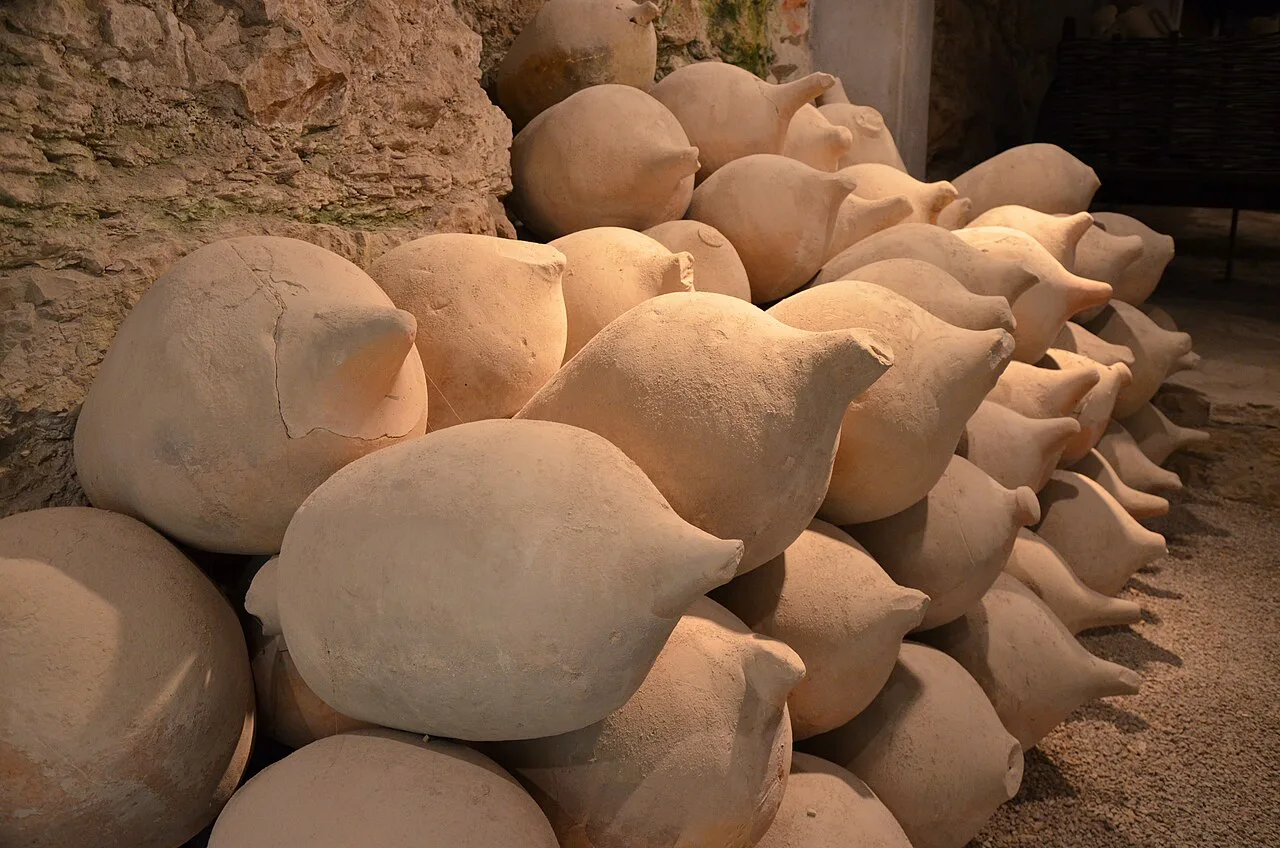
The single most useful question is the harvest date, not the best-before date. Oil is a juice: it fades within a year or so of pressing, and a two-year-old bottle at a keen price is usually a false economy. Look for the year of harvest printed on the back label, and prefer the most recent one on the shelf.
Bottles suit dressing and short-term use; tins keep out light and air and suit larger quantities or a household that gets through oil quickly. Dark glass or a tin is better than a clear decorative bottle left on a sunny windowsill. Ask whether the oil was filtered or left cloudy, too: unfiltered oil can have more sediment and a shorter shelf life once opened.
Ask the producer what they eat it with. An oil made for grilling fish or drizzling over cooked greens will taste different from one intended for salad or for baking. If you are travelling with cabin luggage only, remember that liquids are restricted at security, so a tin or bottle is better bought for checked baggage or shipped.
Using the oil at home: frying, dressing and storing an opened bottle
A good extra virgin oil is fine for gentle frying and roasting as well as dressing, and its flavour survives better than refined oil in a quick sauté. Save your most pungent, greenest bottle for raw use, where its aromatics show, and use a softer or cheaper oil for long cooking.
Store the opened bottle in a dark cupboard, tightly capped, away from the hob and the oven, and use it within a few months rather than a few years. Decanting into a small bottle reduces the air gap and slows the fade. If the oil starts to smell of old nuts or candle wax, it has turned and no amount of bread will hide it.
Croatian oil works in the dishes you already cook on holiday: drizzled over crni rižot, over grilled fish on the Dalmatian coast, or alongside paški sir and kulen on a plate. For more of the produce in these dishes, browse Croatian Delicacies or the guides to Croatian bread, where a fruity oil can replace butter in some recipes.
Seasoning matters alongside the oil: a pinch of Croatian sea salt finishes a plate without competing with the oil's aroma. Use both sparingly so the oil stays the point of the dish.
Olive oil and health: what the Mediterranean diet evidence covers
Olive oil is the main fat in the Mediterranean diet, a pattern built around vegetables, pulses, fish, whole grains and modest amounts of meat and dairy. Research on that pattern links it with heart health, but the evidence is about the diet as a whole rather than about spoonfuls of oil taken as a remedy. No tasting session should be treated as medical advice.
Olive oil is a source of monounsaturated fat and a sensible swap for butter or lard in cooking. If you have a health condition or take medication, ask your GP before changing your diet. That is the honest boundary of what a tasting room can tell you.
How to choose a bottle to bring home
Buy one bottle you have tasted, not five you have not. Ask for the harvest year, smell before you buy, and choose a size you will finish within a few months rather than an ornamental five-litre tin.
Pair it with what the region does well, such as the truffles of Istria or Croatian bread, and keep the oil itself in a dark cupboard once opened. That is the difference between a holiday souvenir and an oil you actually use.
Explore more Croatia guides
Sources
Notes on eating well in Croatia
Optional updates to our food guides.
You might also like



Continue reading
More guides you'll find useful





