
Agroturizam in Croatia: Farm Restaurants and What to Expect
Agroturizam means a working farm that hosts visitors. Here is what a Croatian farm restaurant is, what you eat there, and how it differs from a konoba.
On this page
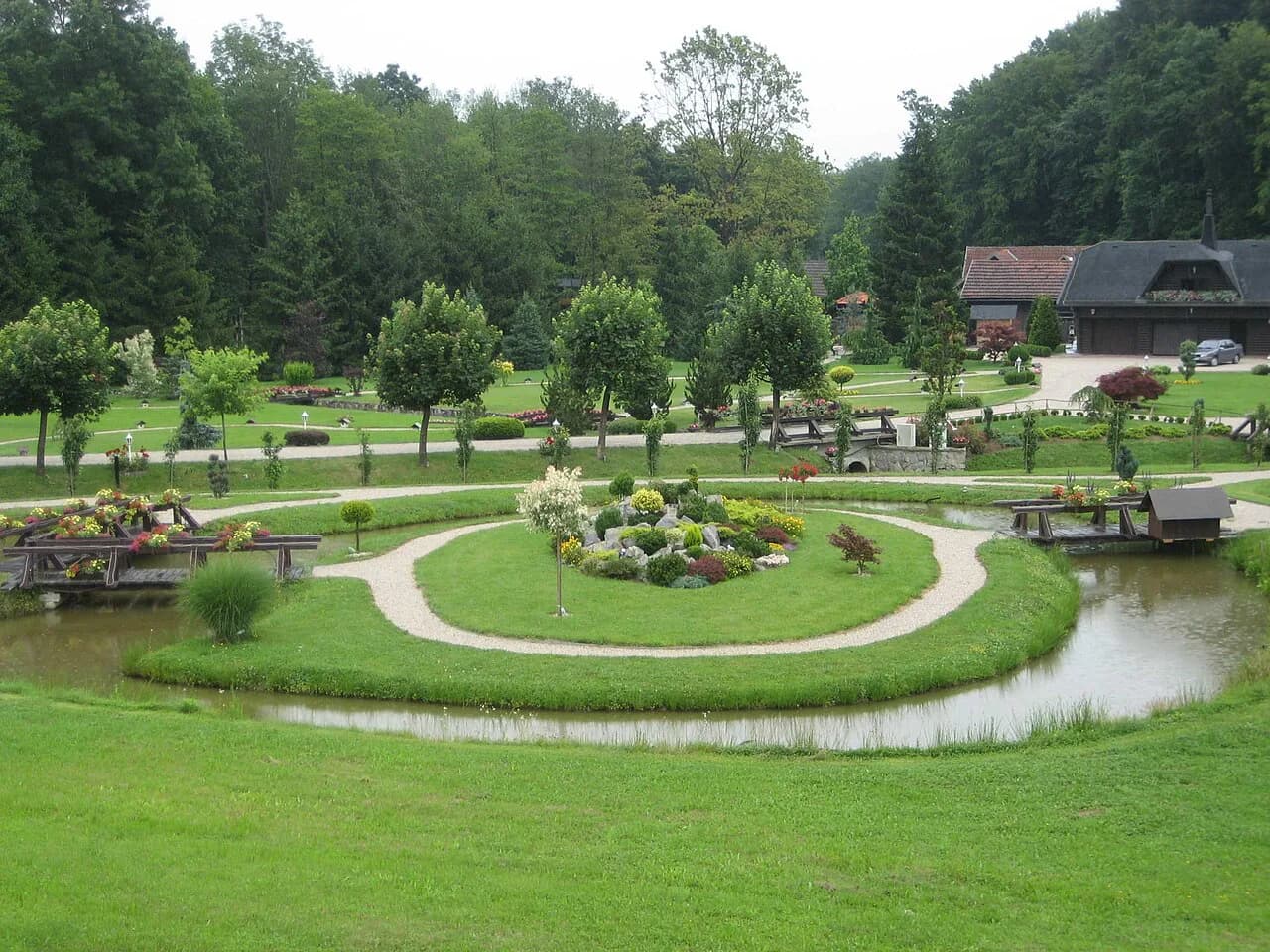
Agroturizam is a working farm that hosts visitors, and the draw is the farm itself: the olives, figs, almonds or vegetables grown on the holding rather than an old-town menu. Croatia treats it as part of rural tourism, which grew as an alternative to mass-market holidays, and the meal is usually built from what the family produces and picks that season. This guide explains what the term covers, how it differs from a konoba, and what to expect at the table.
Expect a short menu, honest ingredients and a setting among dry-stone walls and orchards rather than a polished dining room. Because the farm supplies the kitchen, the food follows the season and the family's own produce. The sections below take you from the wording on the sign to the table, the drinks, one concrete farm on Brač and the practical side of arriving and paying.
What agroturizam means in Croatia
The word covers a stay or a meal on a family agricultural holding, where guests see and sometimes join the everyday work: tending animals and plants, planting, and bringing in seasonal crops such as olives or wheat depending on the region. It sits inside rural tourism and is often described as village or green tourism, with an emphasis on fresh air and a working landscape rather than a resort. For a traveller, that means the farm is the destination, not just the backdrop.
The logic of the meal follows from that definition. A farm that grows olives may press them, a farm with fig and almond trees may dry and offer the fruit, and produce that does not grow there may be bought in or left off the table. That is why two agroturizmi can feel entirely different even when they sit in the same region. Ask what is grown on the holding and what is in season, and the meal usually makes sense.
For the wider picture of Croatian produce, from cured meats to the fish and shellfish landed along the Dalmatian coast, the Croatian delicacies guide maps what appears on tables across the country and where it comes from.
How an agroturizam differs from a konoba and a seoski turizam stay
A konoba is a tavern, usually in a village or by the water, and its identity comes from the cooking, the wine and the room rather than from a farm. An agroturizam has to be tied to an agricultural holding, so the food and drink are meant to trace back to the land around you. Seoski turizam, village tourism, is the broader idea of staying in a rural setting, and a guesthouse there may buy from the market instead of growing its own. The three overlap in practice, but only agroturizam promises the working farm.
Is agroturizam the same as rural tourism? Not quite. Agroturizam is one part of rural tourism and is tied to a working agricultural holding, while rural tourism as a whole covers any holiday in the countryside, from guesthouses to farm stays with a table.
Can you visit an agroturizam without staying overnight? Sometimes, but it depends on the farm. Some holdings host guests for meals and tastings as well as overnight stays, while others focus on accommodation, so ask the host before you travel.
Do you need to book a Croatian farm restaurant in advance? In high season it is wise to arrange a farm table ahead. Farm kitchens are often small and work from what is in season, so a message or call well ahead, with the date, the number of people and any dietary needs, gives the host time to plan.
In Dalmatia this distinction turns up most clearly in what reaches the table. A konoba on the coast may serve crni rižot, the black risotto coloured with cuttlefish ink, while a farm kitchen is likelier to lean on what comes off the trees and out of the garden.
Ask two questions before booking: whether visitors can come for a meal without staying overnight, and whether the produce is the farm's own. A farm-stay listing that offers a table will usually say so, while a village guesthouse may only rent rooms. Getting this clear decides whether you are booking dinner or a bed.
What a typical agroturizam meal is built from
Farm tables lean on cured and preserved produce because it keeps and travels well from the holding. That means air-dried ham, pršut, sliced thin with bread and cheese, and often a sharper sheep's cheese such as paški sir from the island of Pag, if the farm works with island producers.
Bread is the other constant, and a farm that bakes its own makes the meal feel more complete than any single dish. Croatian bread covers the white loaves and flatbreads you meet alongside cured meats, and the quality of the loaf tells you a lot about the kitchen.
Fruit and vegetables follow the season and the plot. A holding with fig trees will offer Croatian figs fresh, dried or as a fig spread alongside cheese, and one along the southern coast may work with oysters from Mali Ston in season.
Where a farm keeps pigs and cures its own meat, spiced dry-cured sausage, kulen, can turn up on the cold board, a Slavonian speciality that has travelled well beyond its home region.
Drinks at the table: what farm producers pour
The drink at a farm table is usually local and modest: a house white or red, a little rakija before the meal, and water on the table. Because these farms are often small, the wine may come from a neighbour's vineyard rather than the holding itself. Drink slowly with food rather than treating the table as a bar, and say yes to a small glass of the local spirit only if you actually want it.
Olive oil is where farm pride shows most clearly. The oil pressed from the family's own trees is often the centrepiece of the cold board, poured over bread or drizzled on vegetables, and many farms sell bottles to take away. If the oil is a serious draw for you, the olive oil tasting guide explains how to judge a fresh, peppery oil and what to look for when producers describe their pressing.
Agroturizam Rotunda on Brač: olive oil, almonds and figs from the family farm
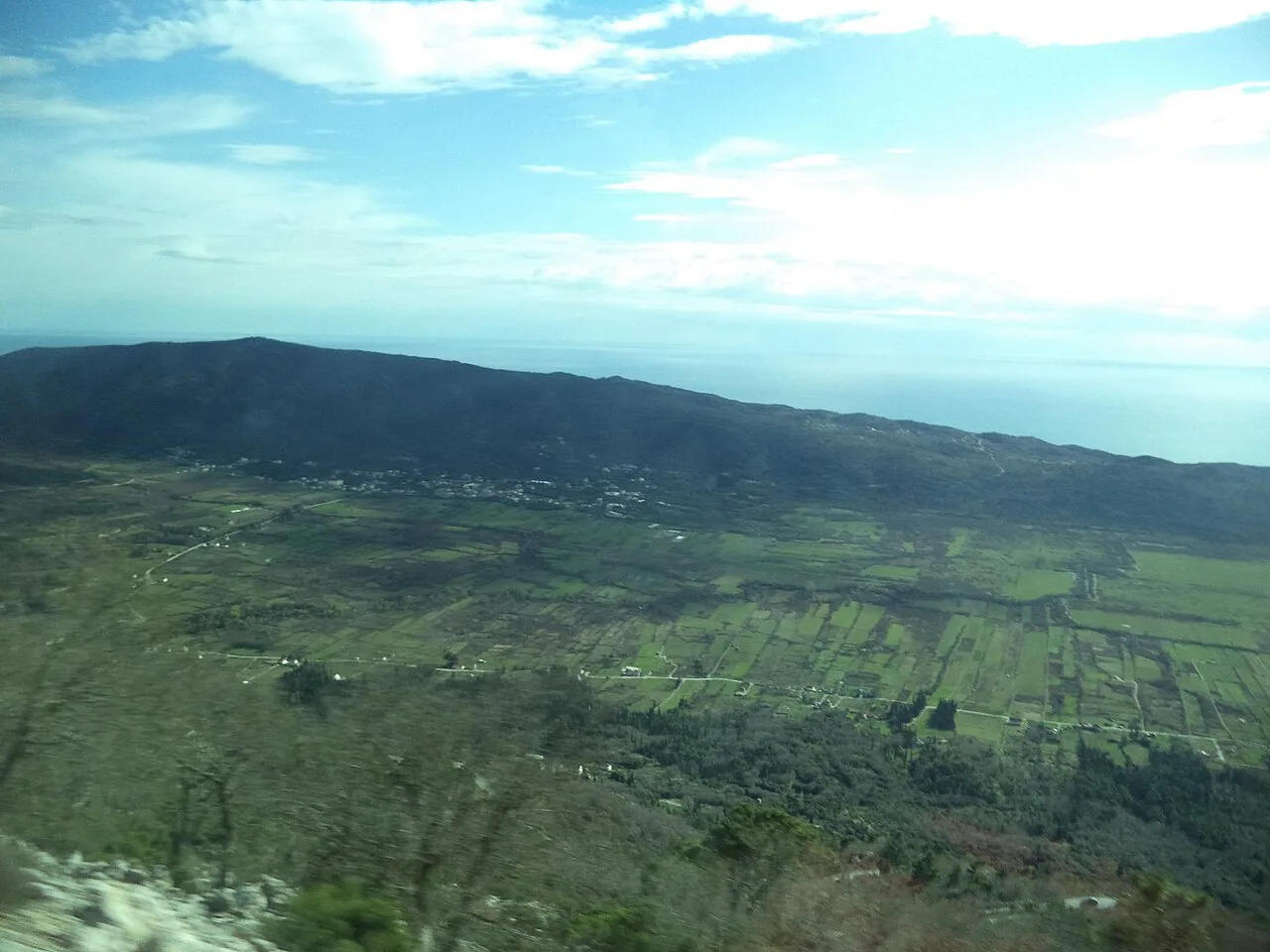
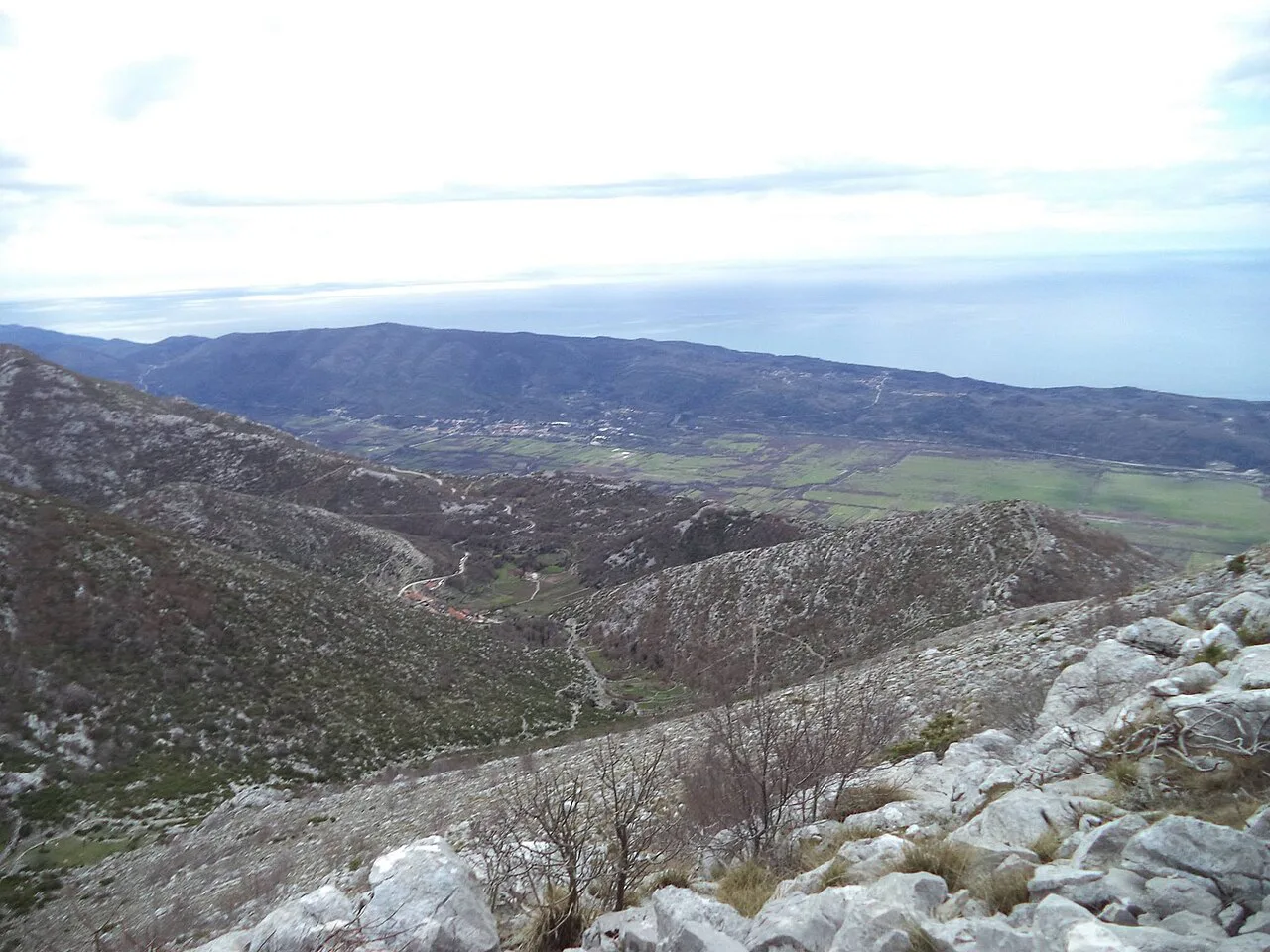
Agroturizam Rotunda is a traditional family farm about six kilometres east of Postira on Brač, set among dry-stone walls, Mediterranean herbs and a young olive grove, with almond and fig orchards and a view towards the sea and mountains. Guests are offered a free tasting of the farm's own olive oil, and the family also offers almonds and figs from its trees when they have them, which places produce rather than a printed menu at the centre of the visit.
The listing is an accommodation one: a unit for two people, roughly half a kilometre from the sea and near Lovrečina bay, with a car recommended for exploring the island. That tells you what kind of place this is. If you want a table without an overnight stay, ask the family directly whether a restaurant service exists, and treat any evening meal as something to agree with the host by message or phone before you build a day around it.
For olive oil more generally, Croatian olive oil explains the main growing regions and what extra virgin means on a label, which helps when a farm hands you a bottle to taste and a price list.
Booking a farm table in high season
High season is when a farm table is best arranged in advance, because small farms often fill with families and returning guests. Message the host with the number of people, the date and whether you want lunch or dinner, and mention any dietary limits in the first message rather than on arrival. A farm that works from its own produce cannot always improvise a large spread at short notice the way a town restaurant can.
If you do not hear back quickly, try another route the host has given you; small holdings are often run by people who are outside for much of the day. Confirm again the day before, since rural places change plans with the weather and the harvest. Asking what is in season is often the most useful question you can put to a farm kitchen.
Paying, arriving and getting there without your own car
Croatia uses the euro, and small producers may not have card facilities, so carry enough cash to cover the meal and any oil, figs or almonds you want to bring home. Ask about card payment when you book rather than at the end of the evening. Prices vary with the season and the size of the group, so ask for the cost when you reserve and buy produce at the farm itself rather than counting on a shop price.
Transport is the part travellers most often get wrong. Farms sit outside villages and off the bus routes, so a car makes the evening far easier, and Rotunda's own advice points to having transport or arranging a rental. If you are relying on taxis, book a return pickup before you sit down and confirm the driver knows the turning; a farm lane at night is no place to start hunting for a signal.
Is a Croatian farm table worth planning around?
Yes, if you want a meal that tastes of one place and one family's season rather than a menu designed for visitors. Choose an agroturizam when the farm itself is the point, stick with a konoba when you want a harbour view and a long wine list, and treat seoski turizam as a room rather than a promise about dinner. Then build the day around the drive, book the table early and leave space in the boot for oil, figs or a bottle of the house wine.
Frequently Asked Questions
Is agroturizam the same as rural tourism?
Not quite. Agroturizam is one part of rural tourism and is tied to a working agricultural holding, while rural tourism as a whole covers any holiday in the countryside, from guesthouses to farm stays with a table.
Can you visit an agroturizam without staying overnight?
Sometimes, but it depends on the farm. Some holdings host guests for meals and tastings as well as overnight stays, while others focus on accommodation, so ask the host before you travel.
Do you need to book a Croatian farm restaurant in advance?
In high season it is wise to arrange a farm table ahead. Farm kitchens are often small and work from what is in season, so a message or call well ahead, with the date, the number of people and any dietary needs, gives the host time to plan.
Sources
Notes on eating well in Croatia
Optional updates to our food guides.
You might also like



Continue reading
More guides you'll find useful





