
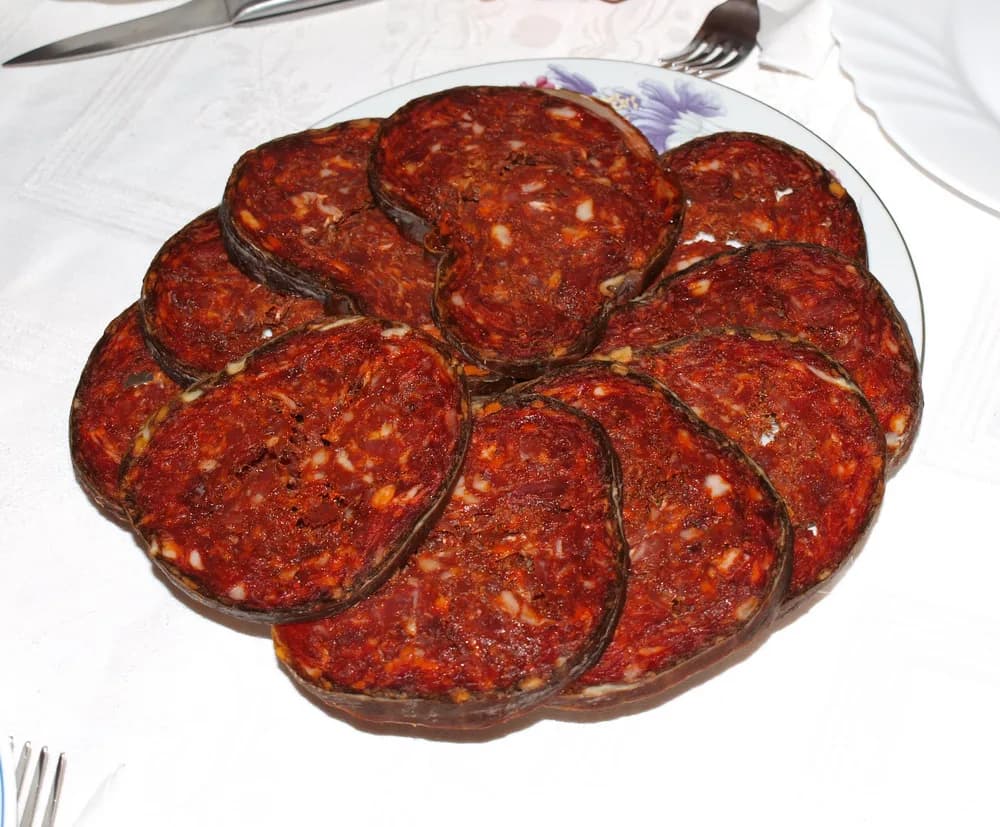
Kulen: Croatia's Spiced Dry-Cured Sausage Explained
Kulen is a Croatian dry-cured pork sausage seasoned with paprika and garlic. Here's what it tastes like, how it's made and how to eat it.
On this page
Kulen is a Croatian fermented, dry-cured pork sausage seasoned heavily with sweet and hot paprika, garlic and red wine, then smoked and air-dried until firm enough to slice thin. It comes from the country's north-east, and the best-known version, Baranjski kulen from Baranja, holds protected geographical indication status. This guide covers what kulen tastes like, how the sausage is made, how to serve it and what to weigh up when buying it.
Treat kulen as a charcuterie product rather than a cooking sausage: you buy it whole or sliced, keep the slices thin and put it on a board with bread, cheese and something sharp. The sections below work through flavour, production, the protected Baranja version and the buying decision.
What kulen is
Kulen is a large fermented dry sausage made from pork, salt, curing salts, dextrose and sugar, sweet and hot paprika, garlic and red wine. The meat is ground, mixed with the spices and wine, stuffed tightly into a pork caecum, bung or bladder, then fermented and cold-smoked over oak or beech before drying. That combination of fermentation, smoke and slow drying is what gives it its firm, sliceable texture and long keeping quality.
The name is regional rather than a single protected recipe, and the Baranja version is the one with formal recognition. Think of it in the same family as other long-matured Croatian pork products you meet on boards across the country, part of the wider range of Croatian delicacies that rewards buying from a proper deli rather than a supermarket shelf.

What kulen tastes like
Paprika leads: sweet paprika gives warmth and colour, hot paprika gives a gentle background burn, and neither is aggressive. Garlic and red wine sit behind it, and the long drying concentrates the pork flavour into something savoury and slightly tangy from fermentation. The texture is dense and firm, closer to a good salami than to a soft spreadable sausage, and it should slice cleanly rather than crumble.
Is Slavonski kulen the same as Baranjski kulen? The protected version named in this guide is Baranjski kulen, tied to Baranja in Croatia's north-east. If a particular origin matters to you, read the label for the place name rather than treating every kulen as the same product.
Does kulen need to be cooked? No. Kulen is fermented, smoked and dried, so it is a ready-to-eat cured sausage.
How should I store a whole kulen sausage? Keep it whole in a cool, dry, airy spot and slice only what you need, then wrap the cut end. Once sliced, eat the slices within a few days, as they dry out quickly.
Because the seasoning is built on paprika rather than heavy pepper or chilli, kulen suits palates that find some Croatian cured meats too punchy. If you like smoked paprika in general, you will recognise the profile immediately. The heat is present but mild, so a thin slice eaten on its own works as well as one layered on bread.
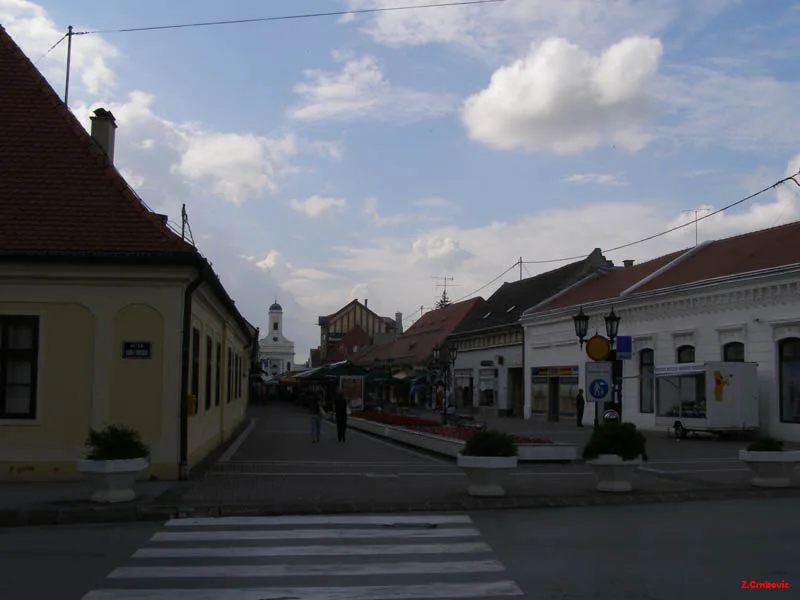
Baranjski kulen and its protected status
Baranjski kulen is a large fermented dry sausage produced in Baranja, in the north-eastern part of Croatia. It carries PGI status, the protected geographical indication classification, with a 2015 classification recorded for it. That means the name is tied to both the place and a defined production method, so a sausage labelled Baranjski kulen should meet the registered specification rather than merely imitating the style.
Other kulen sold in Croatia is not automatically covered by that protection, so read the label for the place name rather than assuming any kulen is the Baranja product. The same logic applies to Croatian olive oil, where a named origin on the bottle tells you more than the word oil on its own.
How kulen is made
The registered method uses mostly lean pork from leg or loin with a smaller proportion of semi-fat shoulder, ground through a coarse plate. Salt, curing salt, a little sugar and dextrose go in first, then sweet and hot paprika, fresh garlic and red wine, with a starter culture mixed in shortly before stuffing. The mixture is packed tightly into a natural casing, fermented at around 20°C and high humidity for roughly three days, then cold-smoked at about 18°C for two to three weeks over oak or beech.
After smoking the sausage dries slowly, which is where the concentration of flavour and the firm texture develop. This is a months-long process dependent on cool, airy conditions, and it is why kulen is sold by weight as a matured product rather than as a fresh sausage. The practical point for a buyer is that a properly dried sausage feels hard and dense, not spongy.
How to eat kulen
Slice it thin, at an angle, and serve it at room temperature so the fat softens and the paprika comes forward. A board of kulen, crusty bread, a sharp hard cheese and pickled vegetables is the standard serving, and it works as a starter or as the centre of a light lunch with a glass of something local. The salt and smoke mean you need very little else on the plate.
Because the flavour is built on paprika and garlic, kulen pairs naturally with the sheep's cheeses of the Croatian islands, such as paški sir from Pag, which brings a salty, slightly sharp counterpoint to the smoke. If you are assembling a wider spread, keep the cured meat to one or two types so each one registers properly.
Buying kulen: whole sausage or slices
A whole sausage keeps far longer, slices as you need it and makes a serious gift, but it is a large piece of meat to commit to and needs a cool, dry, airy place to hang once cut. Pre-sliced vacuum packs are the easier buy for a short trip or a small household, though the slices dry out quickly once opened and should be eaten within a few days.
When choosing, look for a firm, dry surface, an even deep red interior with visible flecks of paprika and fat, and a clean smoky smell rather than a sour one. Ask the deli counter which producer the sausage comes from and whether it is Baranjski kulen; a whole sausage is usually sold by weight, so the final cost depends on the piece you are given rather than a fixed price.
Kulen versus other Croatian cured meats
Kulen's distinguishing feature is paprika: it is a smoked, fermented pork sausage with a paprika-heavy, garlicky seasoning, where other Croatian hams and cured products rely more on salt, smoke and time alone. That makes it a good gateway charcuterie for anyone who finds heavily peppered or very funky cured meats challenging, and a natural partner to the olive oil and bread you meet along the Dalmatian coast.
If you are building a Croatian food board at home, kulen covers the smoked, spiced slot, and a mild sheep's cheese or a fresh soft cheese covers the creamy one. Add olives, good bread and a drizzle of extra virgin olive oil and you have the structure of a Dalmatian-style cold table without needing to cook anything.
Is kulen worth putting in your basket?
Yes, if you want a Croatian charcuterie product with real character: smoky, paprika-forward and firm enough to slice neatly, it earns its place on a board and travels well as a whole sausage. Buy Baranjski kulen when you can, and otherwise judge by the look of the cut and the smell of the piece in front of you.
Serve it thin with bread, a sharp cheese and pickles, and let it come to room temperature before eating. That is the whole method, and it is the version a Croatian deli counter would recognise.
Explore more Croatia guides
Frequently Asked Questions
Is Slavonski kulen the same as Baranjski kulen?
The protected version named in this guide is Baranjski kulen, tied to Baranja in Croatia's north-east. If a particular origin matters to you, read the label for the place name rather than treating every kulen as the same product.
Does kulen need to be cooked?
No. Kulen is fermented, smoked and dried, so it is a ready-to-eat cured sausage. Slice it thin and serve it at room temperature with bread, cheese or pickles.
How should I store a whole kulen sausage?
Keep it whole in a cool, dry, airy spot and slice only what you need, then wrap the cut end. Once sliced, eat the slices within a few days, as they dry out quickly.
Sources
Notes on eating well in Croatia
Optional updates to our food guides.
You might also like



Continue reading
More guides you'll find useful





