
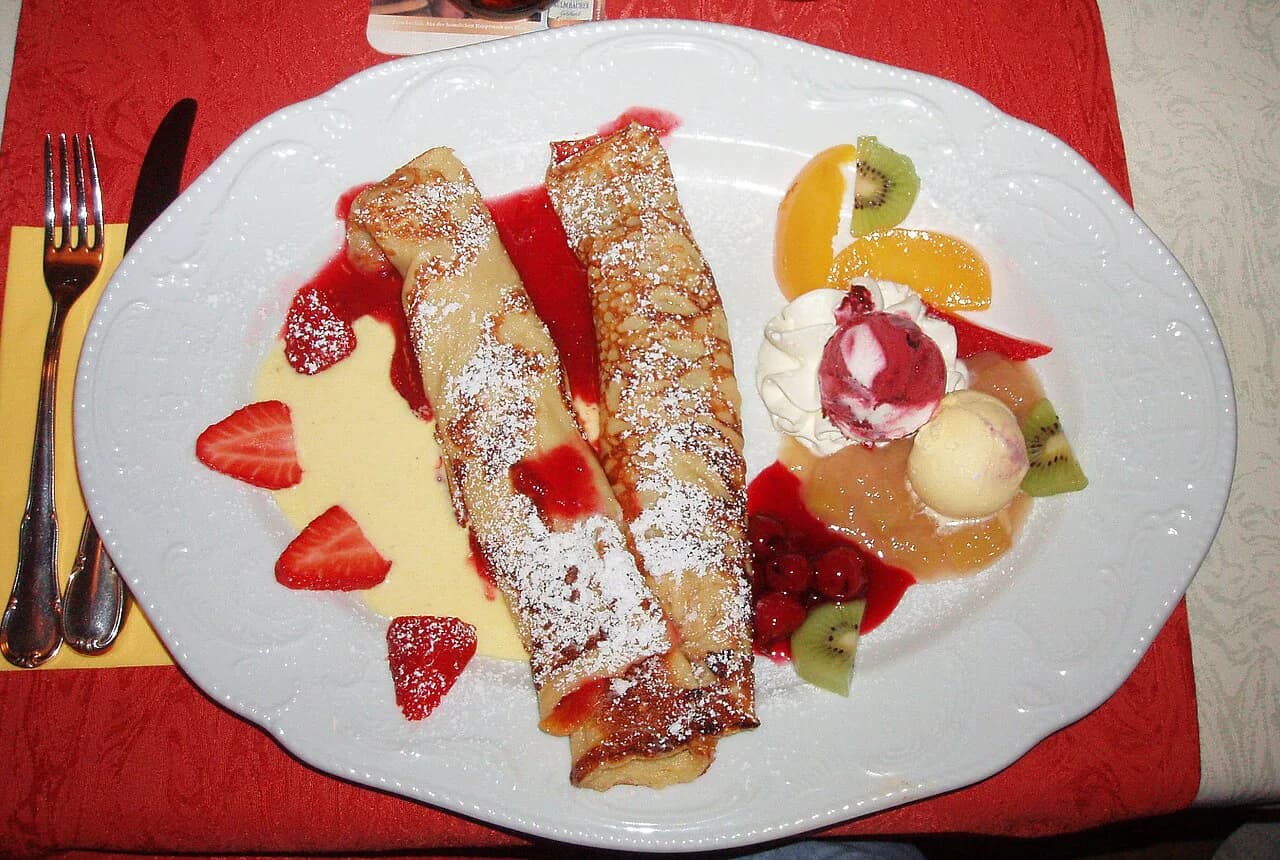
Palačinke: Croatian Crêpes, Fillings and How They're Served
Palačinke are Croatia's thin crêpes, rolled with jam, Nutella, cream or a savoury ham and cheese filling. Here's what they are, what to order and how they're made.
On this page
Palačinke are thin Croatian crêpes, not the thick American-style pancakes many visitors expect. The batter is poured into a hot pan, swirled to coat it thinly, cooked pale on both sides, then rolled around a filling and served either sweet or savoury. This guide explains what goes inside them, how the batter is made and where they fit in a Croatian meal.
What palačinke are: thin crêpes, not thick American pancakes
Palačinke are made from a loose, pourable batter and cooked so thin that each one coats the base of the pan in a single swirl. The result is closer to a French crêpe than to a fluffy breakfast pancake: pale, pliable and wide enough to roll. Croatians and Serbians make them in this crêpe style, which is why a stack of thick pancakes under the name palačinke is not what you will be served.
Sweet or savoury: the two ways palačinke are made. Most palačinke are made as a sweet dish, rolled tight and filled with something jammy or creamy.
The fillings you are most likely to see: jam, Nutella, whipped cream, ice cream, ham and cheese. Jam is the classic filling, and rose-hip jam is a favourite home choice.
How a palačinke batter is made: flour, eggs, milk, salt, a little sparkling water and optional rum. The home recipe works to a ratio of about one cup of sifted plain flour, two to three eggs and two cups of whole milk, with half a teaspoon of salt.
The dish is a staple across the region rather than a Croatian curiosity. The same basic crepe appears in Croatian and Serbian homes, and similar versions turn up under names such as palacsinta in Hungary. That is worth knowing when you see palačinke on a menu in Croatia and wonder why the cake or the filling looks familiar from elsewhere in the Balkans.
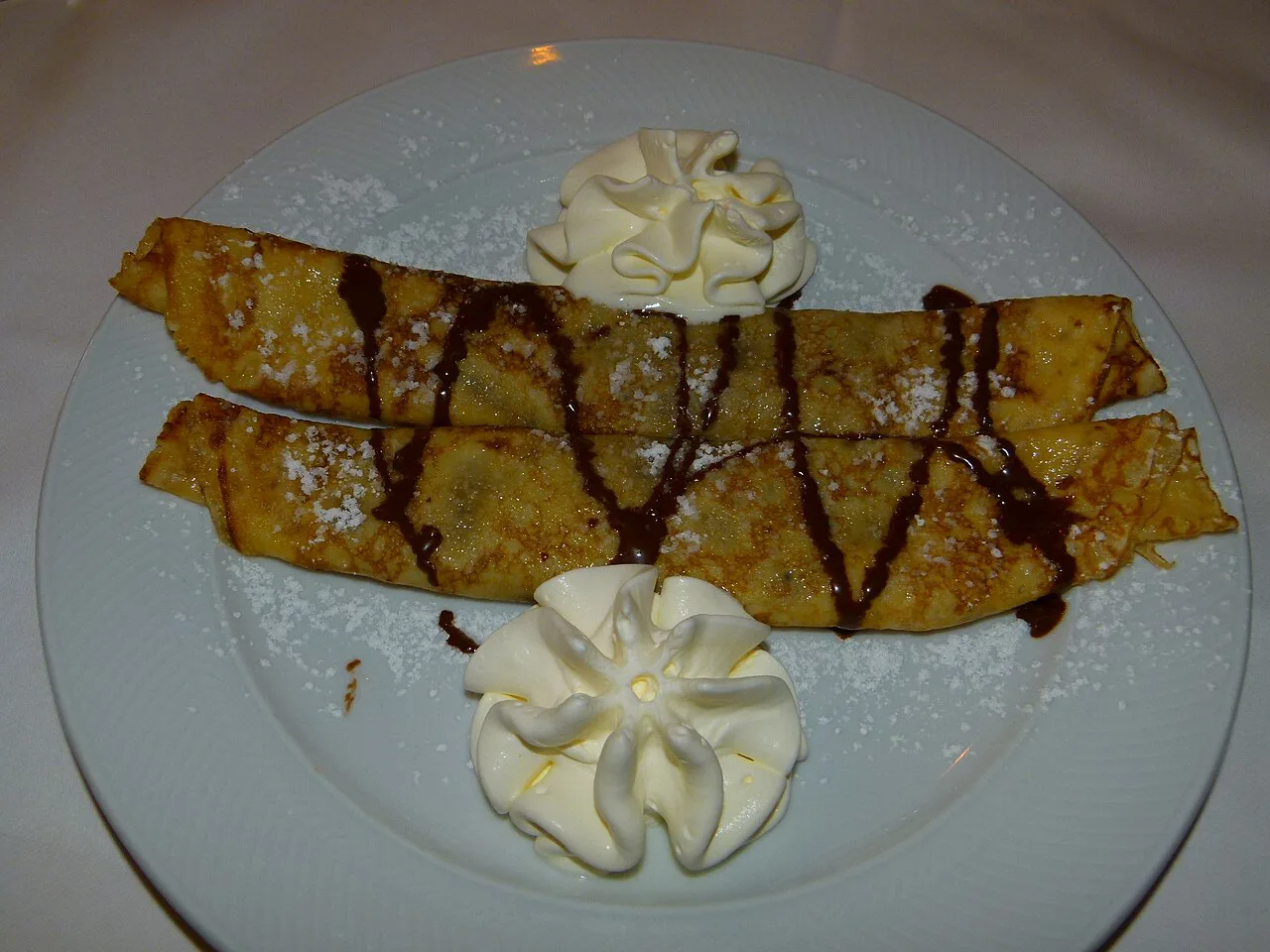
Sweet or savoury: the two ways palačinke are made
Most palačinke are made as a sweet dish, rolled tight and filled with something jammy or creamy. A smaller number are made savoury, and this is the option most English-language crepe recipes skip over. The sweet-and-savoury Split really does change what you eat, so decide before you make or order one. A sweet palačinka is a dessert or an afternoon snack; the savoury one is closer to a light lunch.
For a fuller picture of how palačinke fit alongside the rest of the food you will meet in Croatia, from bakery pastries to mains and desserts, the wider set of Croatian dishes gives useful context.
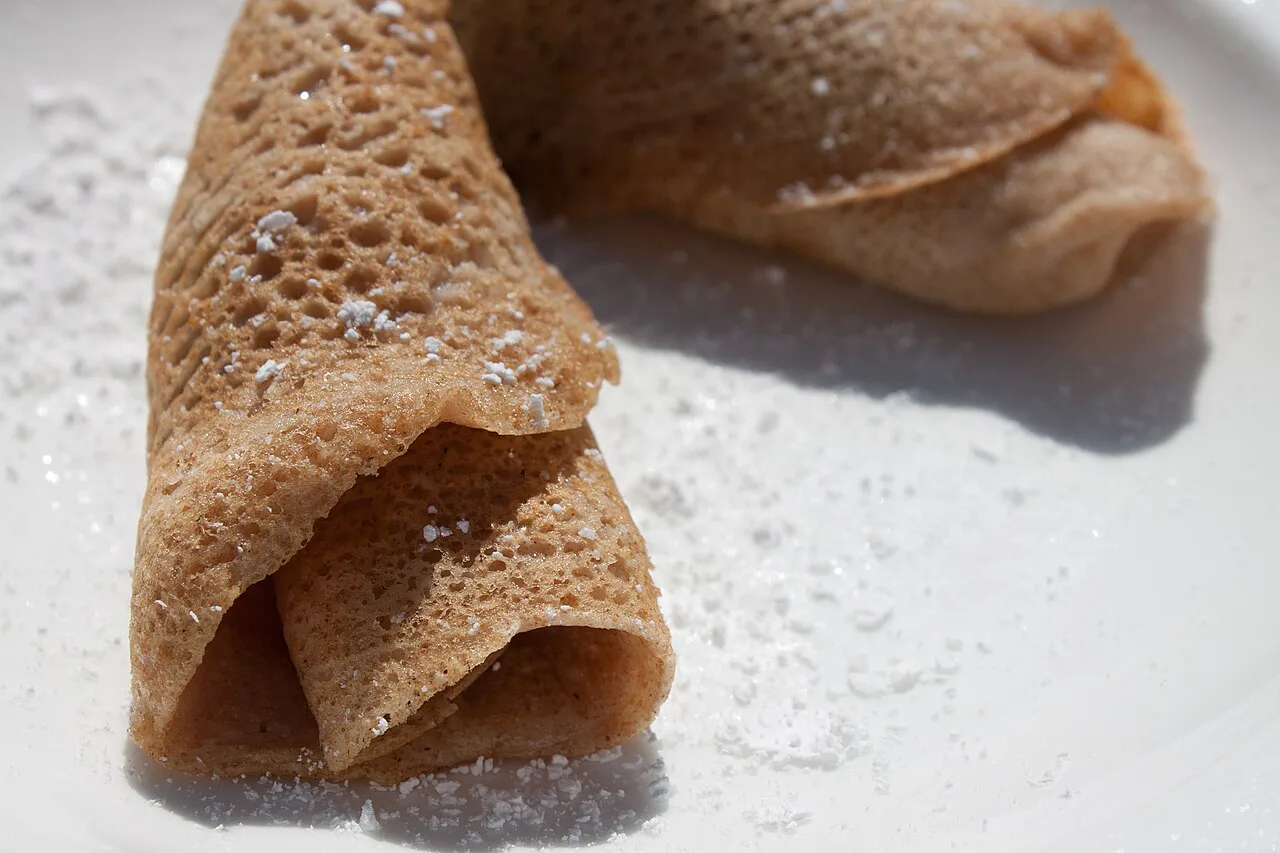
The fillings you are most likely to see: jam, Nutella, whipped cream, ice cream, ham and cheese
Jam is the classic filling, and rose-hip jam is a favourite home choice. Nutella is just as common and is what many Croatian families reach for first when they have a fresh crepe and a jar in the cupboard. Both make a simple, sharp-and-sweet contrast to the plain batter, which is why they are the flavours you will spot most often.
Beyond jam and Nutella, whipped cream and ice cream are used to bulk out a rolled palačinka into a proper pudding. Nutella is also named as the family preference in the recipe notes, which is a good guide to how ordinary it is.
Savoury versions are filled with ham and cheese, cooked inside the same thin crepe. That pairing is the standard savoury offering, and it is what to ask for if you want something less sweet.
How a palačinke batter is made: flour, eggs, milk, salt, a little sparkling water and optional rum
The home recipe works to a ratio of about one cup of sifted plain flour, two to three eggs and two cups of whole milk, with half a teaspoon of salt. A small amount of sparkling water goes in at the end to loosen the batter, and the rum, if used, is dark rum and optional. Whisk it until there are no lumps, adding a little more flour or milk if it needs adjusting.
Butter or oil goes into a non-stick pan over a medium-high heat, and half a cup of batter, or a soup ladle, is enough for one. Swirl it to coat the pan thinly, cook roughly two minutes on each side until the underside is lightly brown, then pile them on a plate. The first one or two are the test batch while you find the right heat.
Serving palačinke with a Croatian meal
Palačinke turn up in Croatian homes and on sweet menus, and the rolled, filled crepe is the everyday form they take. Because fillings vary, the safe approach is to ask what is on offer and be clear whether you want sweet or savoury.
If palačinke are the sweet end of a meal, other Croatian staples such as burek cover the savoury bakery side; the guide to Burek: A Guide to Croatia's Favourite Bakery Pastry explains what to order there. It is a useful companion if you are working out a bakery stop alongside a dessert order.
For dishes that sit at the other end of a Croatian meal, the wider guide to Croatian Dishes Explained covers the mains and sides that typically come before dessert. Use it when you are pairing a savoury course with something sweet at the end.
Making them at home: the method
You do not need special equipment: a non-stick pan, a ladle for portioning and a little butter or oil for the pan are enough. The key is thinness: pour, tilt the pan and tip out any excess so the batter covers the base in a thin layer. Let each one cook until the underside releases cleanly, then flip.
The batter is quick to mix, but the recipe advises sifting the flour so the milk and eggs combine without lumps. Sparkling water at the end is what loosens the batter, and the optional rum is a flavouring you can leave out.
Palačinke across the Balkans: the same crêpe under different names
Palačinke are not limited to Croatia: the same thin crepe is eaten across the Balkans and Central Europe, where the names change but the batter does not. In Hungary the equivalent is called palacsinta, which is recognisable once you have seen a Croatian one.
The similarities are strongest between the Croatian and Serbian versions, which are both crepe-style and come with similar sweet or savoury fillings. So if you have eaten them elsewhere in the region, the palačinke you order in Croatia will be familiar.
Sweet or savoury palačinke?
Start with the sweet version: jam, especially rose-hip, or Nutella with cream is what makes palačinke mean something in Croatia. If you have room for a second, try the savoury ham and cheese filling, which is the version visitors most often miss. Either way, expect a thin rolled crepe that arrives already filled.
Explore more Croatia guides
Sources
Notes on eating well in Croatia
Optional updates to our food guides.
You might also like



Continue reading
More guides you'll find useful





