
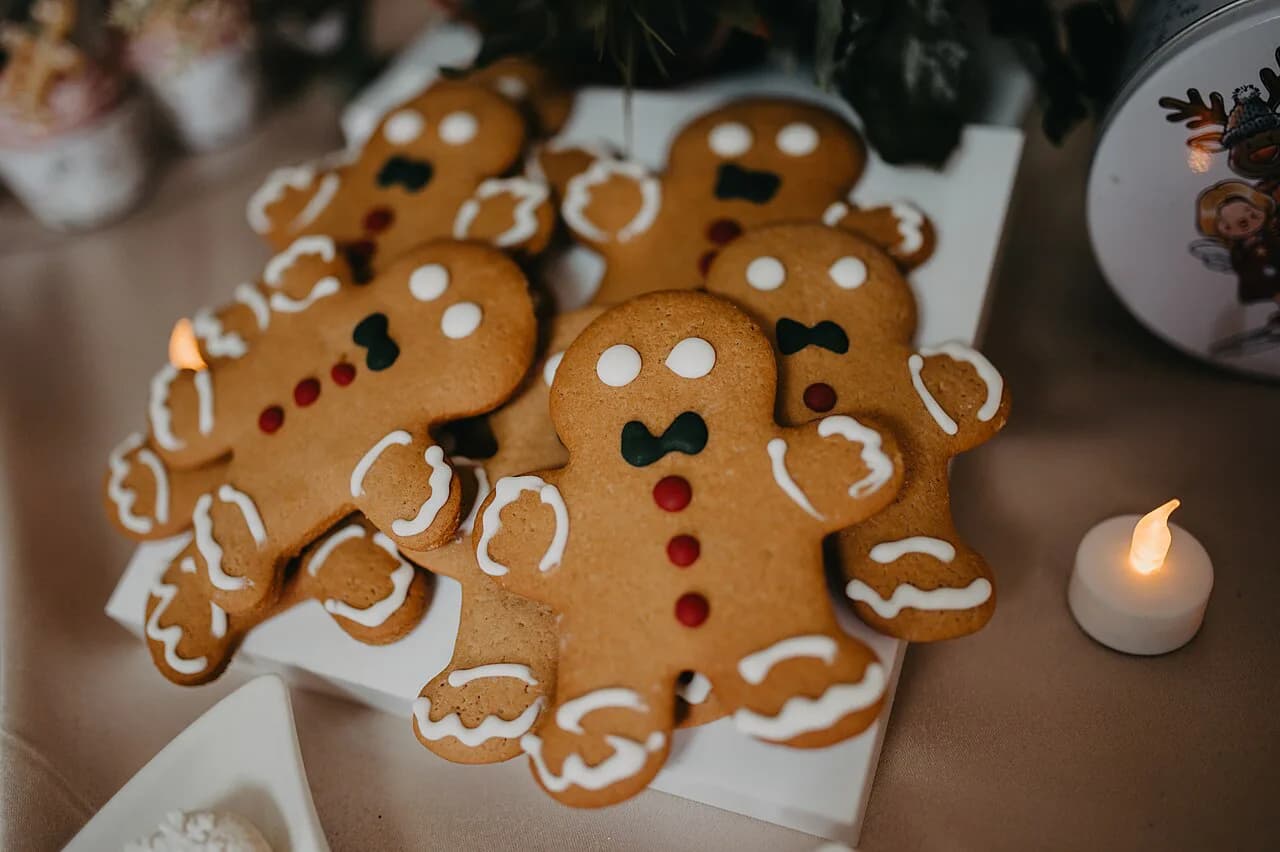
Paprenjaci: Croatia's Pepper and Honey Biscuits Explained
Paprenjaci are Croatian honey biscuits spiced with pepper, cinnamon and cloves. Here is what they taste like, how they are made and where to buy them.
On this page
Paprenjaci are Croatian honey biscuits spiced with pepper, cinnamon, cloves and nutmeg, and they are far more warming than fiery. The name suggests heat, but the pepper in a traditional dough is a background note that works with the honey rather than against it. This guide covers how they taste, what goes into the dough, and how to choose a bag to take home.
You will find them in two broad guises: soft, honey-heavy biscuits that keep for weeks, and harder, snappier ones that suit coffee or a small glass of prošek. Both are dense and small, so a modest bag lasts longer than you expect.
What paprenjaci are: honey biscuits with pepper and warm spices
A paprenjak is a small baked biscuit made from a honey-based dough, rolled, cut into shapes and baked until firm. Recipes vary from kitchen to kitchen, but the family of flavours stays constant: honey, cinnamon, cloves, nutmeg and a little pepper. They belong with the wider group of Croatian sweets built on honey and spice rather than cream or chocolate, which are covered in the guide to Croatian desserts.
They are not a cream cake or a summer sweet. Where a kremšnita is a cold custard slice to eat on the spot, a paprenjak is built to be carried, stored and eaten in small pieces over days.
How they taste and why pepper goes into a sweet biscuit
Expect a soft, chewy bite when fresh and a firmer snap once they dry out, with honey up front and spice arriving after. Pepper sits underneath the cinnamon and cloves and gives the finish a gentle prickle rather than a burn. That is why the biscuits work with a bitter coffee or a small pour of prošek, which rounds off the spice.
Are paprenjaci spicy? No, they are warming rather than hot. The pepper in a traditional dough is a background note that sits under the honey, cinnamon and cloves, and many modern versions use only a pinch.
How long do paprenjaci keep? They are built to keep and were carried on long sea journeys, and they firm up as they dry. Stored away from damp air they last for weeks.
The name has a history that explains the apparent contradiction. In the Renaissance, the word for pepper covered a whole group of spices, so a paprenjak was a biscuit made with the spice cabinet, not necessarily a hot one. Modern recipes often include only a pinch of ground pepper, and some lean on a prepared gingerbread spice mix with a little pepper added.
There is also an old island habit of reading the biscuit as weather. A paprenjak that went soft signalled the jugo, the damp southeasterly, while one that hardened pointed to the bura, the dry northeasterly.
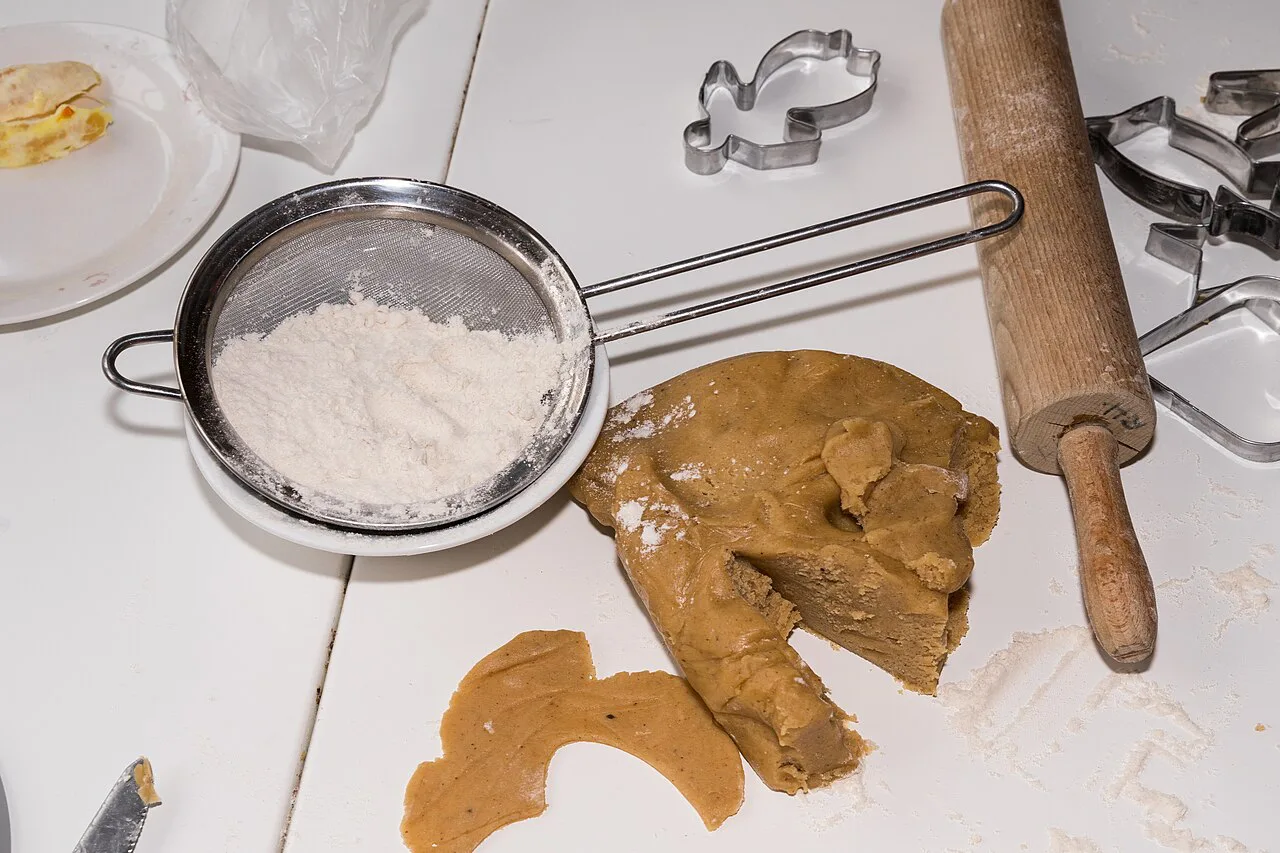
What goes into the dough: honey, flour, cinnamon, cloves, nutmeg and pepper
The core is plain flour, honey, a fat such as olive oil or butter, sugar and the spice set. A home recipe from Stari Grad on Hvar uses honey, prošek, olive oil, saffron, cinnamon, ground cloves, nutmeg, bicarbonate of soda and plain flour, which gives a soft, aromatic dough rather than a dry one.
Mainland versions lean plainer. One popular home formula combines strong flour, ground pepper, cloves, cinnamon, a little honey, eggs, walnuts and sugar, which produces a nuttier, firmer biscuit. The lesson for a buyer is that there is no single authorised recipe: walnut, saffron, prošek and the ratio of honey to flour all shift the texture and the keeping time.
Honey choice matters more than most shoppers realise. A strong, dark honey carries the spice, while lighter floral honeys give a subtler biscuit that disappears behind the cinnamon.
Starogrojski paprenjaci from Stari Grad on Hvar, painted by hand
The best-known version comes from Stari Grad on Hvar, where the biscuits are hand-painted after baking and treated as a craft rather than a snack. The recipe is described in local tradition as centuries old, and it is presented as entered on Croatia's list of protected cultural assets, which is why the painted biscuit is sold as a small gift item as much as a food.
The biscuit has a literary anchor too: an early written record appears in Petar Hektorović's sixteenth-century fishing poem, Ribanje i ribarsko prigovaranje, written by a Hvar nobleman. That lineage is part of why the Stari Grad biscuit is presented with a story rather than just a flavour.
That heritage framing is why the hand-painted Stari Grad biscuit is the version most often offered to visitors, and why it is bought as a small gift as much as a snack.
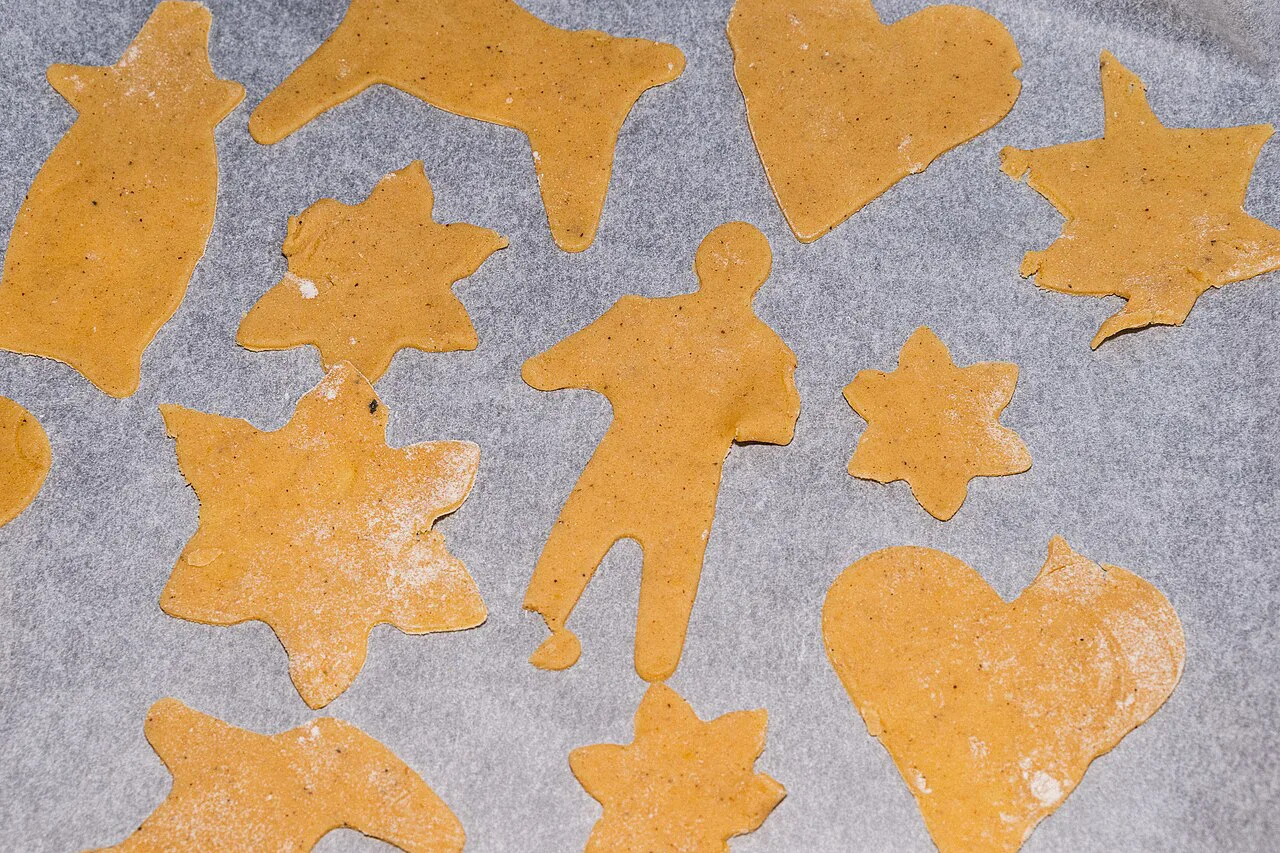
The shapes and decoration used for paprenjaci
The classic Stari Grad forms are a horseshoe, a four-leaf clover and a cockerel, each carrying a simple wish for luck or prosperity, and the biscuits are decorated with painted dots.
Carved wooden moulds are part of Croatia's wider gingerbread craft and are sold as souvenirs in their own right, and a home baker can lean on a prepared gingerbread spice mix with a little pepper added for a quicker version.
How to eat them and what to drink with them
Eat paprenjaci in small pieces rather than whole, because the crumb is dense and sweet. A soft honey-heavy biscuit is best with black coffee or a glass of milk, while a harder one stands up to prošek, the sweet Dalmatian dessert wine, or a small glass of rakija.
If you like the honey-and-spice idea, the same instinct runs through fritule, the little fried doughnuts dusted with sugar that appear at celebrations along the coast.
For a children's table or a gift box, pair a bag of paprenjaci with something softer and less spiced, such as a slice of sirnica, the cheese pastry that shows up at family gatherings. The contrast of a plain, savoury pastry with a spiced biscuit is a pairing that works.
Buying paprenjaci in Croatia: bakeries and souvenir shops
Paprenjaci turn up in several places: bakeries (pekara), souvenir and deli shops selling painted or boxed versions, and confectioners in towns such as Stari Grad on Hvar. Plain biscuits are the cheaper way to try the flavour; the painted and boxed ones are the gift version, and you pay for the decoration and packaging as much as the dough.
Check the label for what is actually in the dough. A short list of honey, flour, spices and fat usually means a traditional biscuit, while a long list of stabilisers and syrups points to an industrial version.
Comparing a plain biscuit with a decorated one lets you judge texture before committing, and a small amount suits hand luggage. Boxed painted biscuits are the ones to choose when the gift matters more than the price per biscuit.
Paprenjaci and medenjaci: what is the difference
The two names are often used loosely, but they describe different biscuit traditions. Paprenjaci are the spiced, pepper-and-honey biscuits of the coast and islands, while medenjaci are the softer honey cakes and biscuits more associated with northern Croatia and its gingerbread craft, where the decorative heart-shaped licitar is the best-known form.
Practically, a medenjak tends to be paler and more cake-like, while a paprenjak is darker, spicier and drier. Honey-and-spice biscuits are decorated in both traditions, so the decoration alone will not tell you which you have. Read the ingredients instead.
Which paprenjak should you buy?
Choose a soft, honey-heavy paprenjak if you want something to eat over the next week or two with coffee, and a firm, nutty one if you prefer a snap with prošek. Buy loose from a bakery to taste before committing, and pick a painted box from Stari Grad only when the gift and the handwork are the point.
If you are building a sweet bag for the journey home, keep the spiced biscuits separate from softer pastries such as kroštule and cream slices, so the icing and the crunch survive the trip.
Either way, buy less than you think you need: the crumb is dense, the pieces are small, and a modest bag goes a long way.
Explore more Croatia guides
Frequently Asked Questions
Are paprenjaci spicy?
No, they are warming rather than hot. The pepper in a traditional dough is a background note that sits under the honey, cinnamon and cloves, and many modern versions use only a pinch. The name comes from an older use of the word for pepper, which covered a whole group of spices.
How long do paprenjaci keep?
They are built to keep and were carried on long sea journeys, and they firm up as they dry. Stored away from damp air they last for weeks. A honey-heavy biscuit tends to soften rather than snap as it ages, so expect a chewier bite the longer you keep it.
Sources
Notes on eating well in Croatia
Optional updates to our food guides.
You might also like



Continue reading
More guides you'll find useful





