
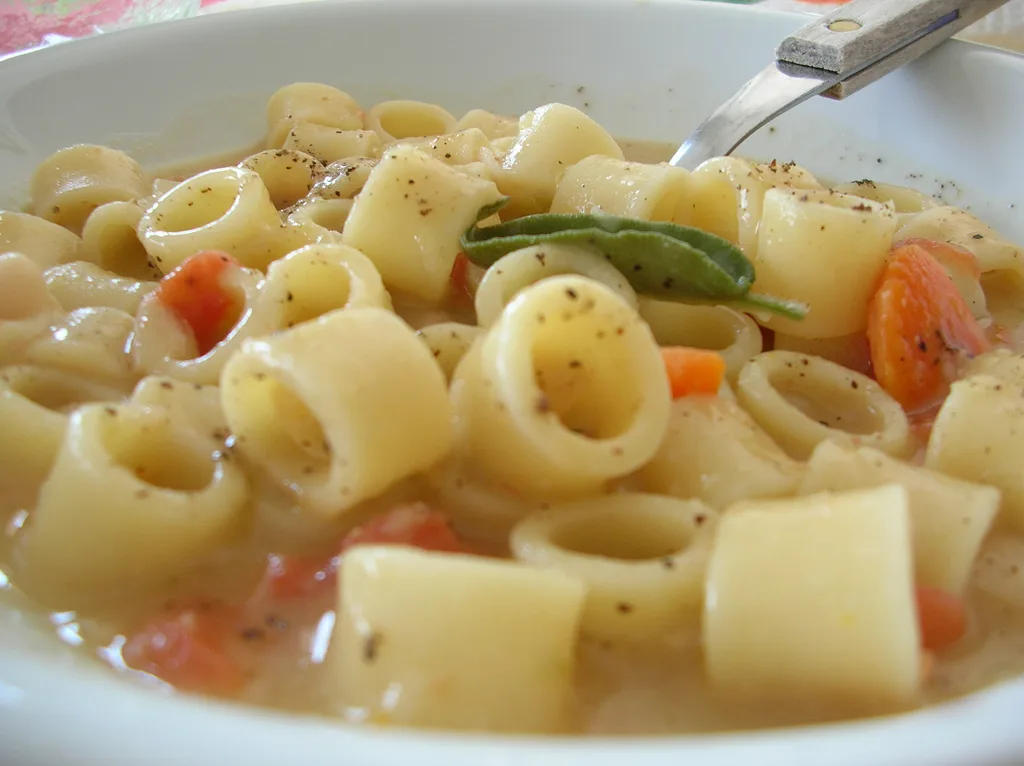
Pašta Fažol: Croatia's Bean and Pasta Stew Explained
Pašta fažol is Croatia's hearty bean and pasta stew, a Dalmatian cousin of Italian pasta e fagioli. Here is what it is, what goes in and how it is served.
On this page
Pašta fažol is Croatia's hearty bean and pasta stew, and you will meet it most often along the Dalmatian coast as a thick, spoon-standing bowl rather than a thin soup. It is a close relative of Italian pasta e fagioli, but Croatian cooks treat it as its own dish, built on dried beans cooked down until they release their starch. This guide explains what the stew is, how it differs from the Italian version, what goes into a Dalmatian pot and how to spot it on a menu.
What pašta fažol is
Pašta fažol is a stew of beans and pasta, and the name simply joins the Croatian word for pasta with a dialect form of the word for beans. Croatian families each make their own version, and the dish sits comfortably among the rustic, slow-cooked plates that define home cooking along the coast. It is everyday food rather than celebration food, which is exactly why it tastes the way it does.
The dish belongs to the same broad family as other bean-and-pasta pots around the Adriatic, including Slovenian pašta fažol from the Primorska region just across the border. That shared history explains why the idea travels so easily from Istria through Dalmatia, with each kitchen adjusting the seasoning to what is in the cupboard. Treat any single recipe as a starting point rather than the definitive version.
How it differs from Italian pasta e fagioli
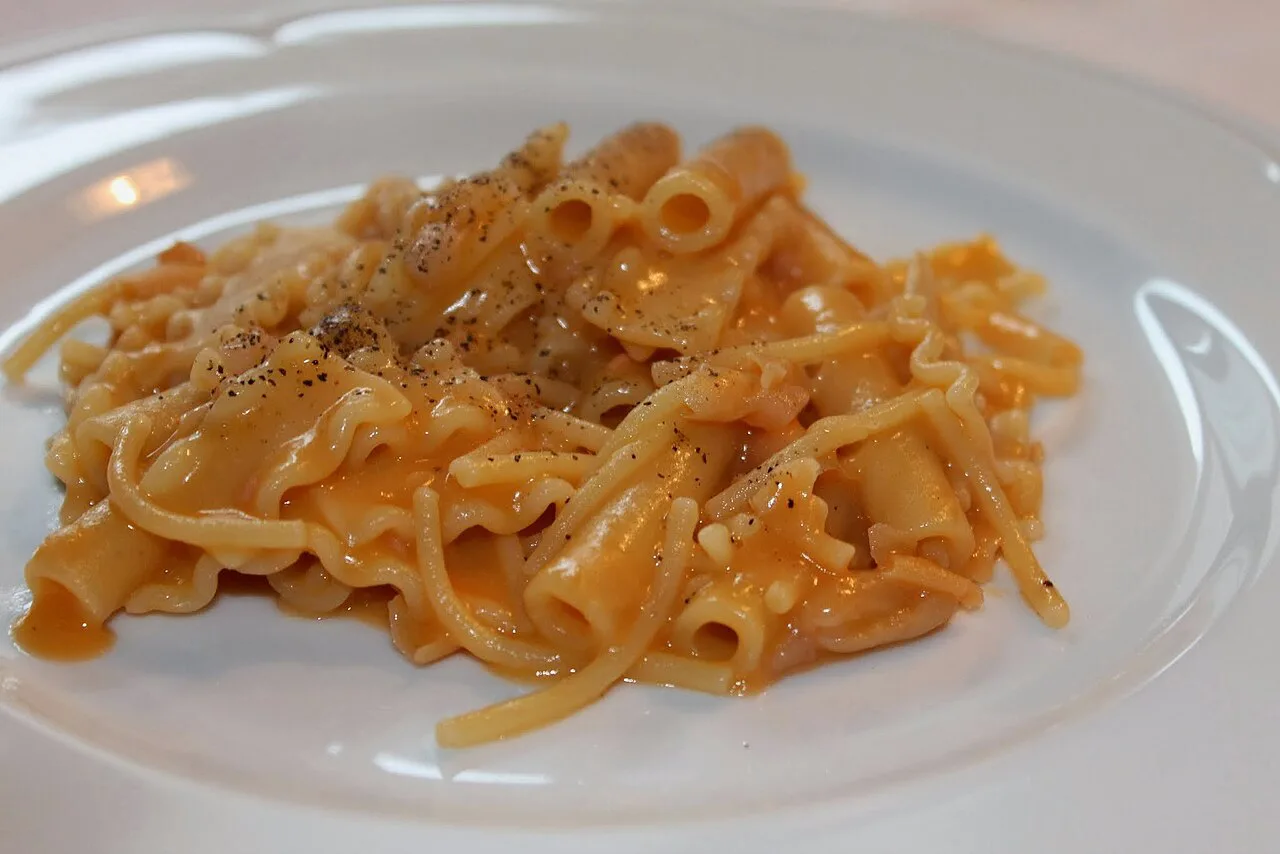
Italian pasta e fagioli is a hearty soup and is sometimes served looser than its Dalmatian cousin, which is cooked down until the beans partly break apart so the liquid coats the pasta instead of running off it. That consistency is the clearest giveaway when a bowl arrives at the table.
Does pašta fažol freeze well? Stews built on beans and pasta generally freeze better before the pasta goes in, because pasta softens and can turn mushy on thawing. If you plan to freeze a batch, stop after the beans are cooked, freeze that base, and cook fresh pasta into it when you reheat.
What is the difference between pasta fazool and fagioli? They are the same word: fazool is the southern Italian and Italian-American pronunciation of fagioli, meaning beans. Croatian pašta fažol comes from the same root, but the Dalmatian version is a thicker stew, often finished with a flour-and-oil roux rather than served as a loose soup.
The other difference is the thickener. Many Dalmatian versions build a light roux of oil and flour, then loosen it with bean cooking water before stirring it back into the pot, a step you rarely see in the Italian soup. The roux gives the stew body without cream, and it is the detail that separates a home-style Croatian pot from its Italian cousin.
What goes into a Dalmatian pašta fažol
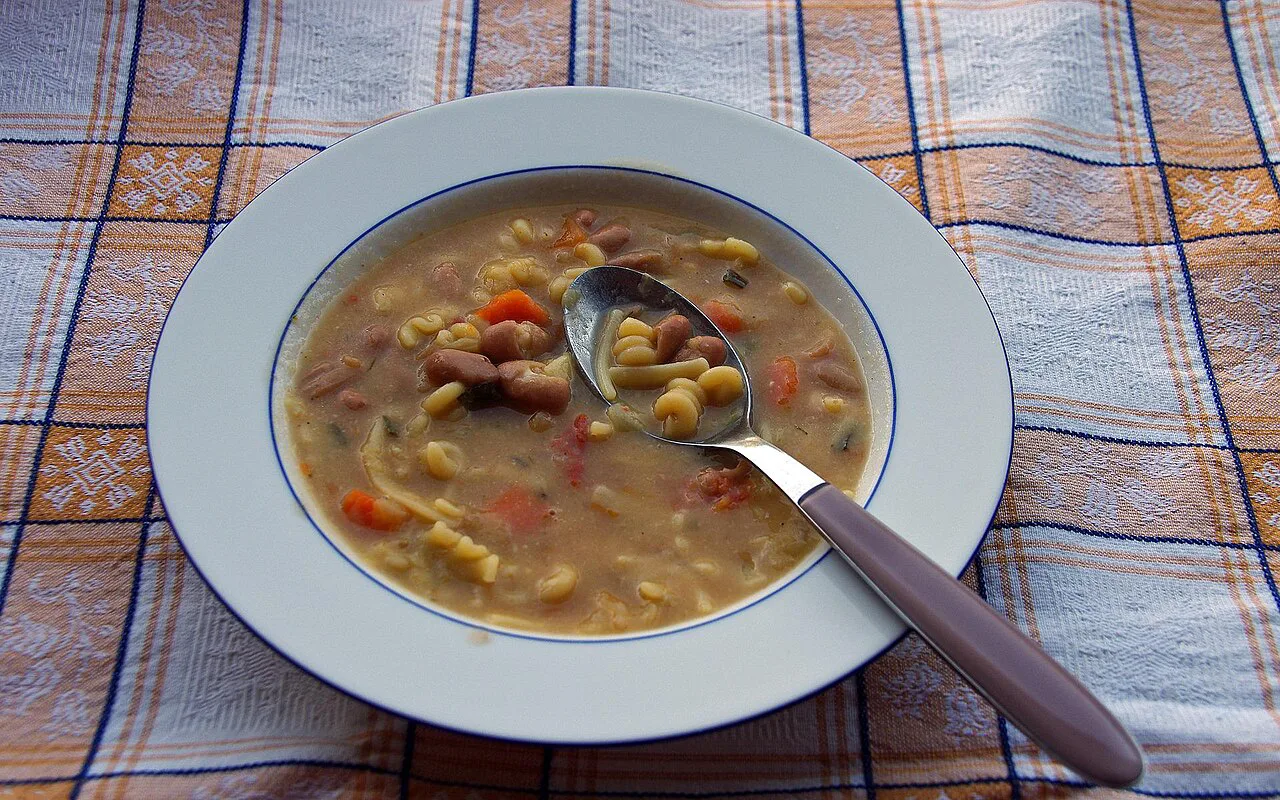
The core ingredients are dried beans, pasta, garlic, onion and a generous bunch of flat-leaf parsley. Parsley is not a garnish here but a main flavouring, and fresh beats dried by a wide margin because so few other seasonings go into the pot. A spoon of tomato paste and a little sweet paprika add colour and depth.
Bay leaves and black peppercorns go in with the beans, and salt is added in stages rather than all at once at the end. The pasta is usually a large shape such as lumaconi rigati or big macaroni, chosen so it can hold its own against the beans. Smaller shapes work, but they tend to disappear into the stew.
Why dried beans matter
Dried beans are the whole point of the dish: as they cook, they release starch that thickens the liquid and gives the stew its texture. Canned beans do not behave the same way, so a version made with them ends up thin and sweet rather than savoury and substantial. Soak the beans overnight, then simmer them with the aromatics until they are part-way cooked before anything else joins the pot.
Bean cooking time varies with the age and variety of the pulse, so judge by feel rather than the clock. Older beans can take considerably longer than fresh ones, and the pot should stay at a gentle simmer rather than a rolling boil that splits the skins. Test a few beans by pressing them against the side of the pot.
How it is cooked: beans first, pasta added at the end
Everything starts with the beans, which go into a large pot with plenty of water, peppercorns, bay leaves and salt. Once they have softened part of the way, tomato paste goes in and the seasoning is adjusted before the pot moves on to its next stage. This is when the kitchen starts to smell like a Dalmatian Sunday.
The pasta is boiled separately in salted water and added to the beans when it is nearly al dente, then everything simmers together for a few final minutes. Cooking it apart keeps the pasta from drinking the stew and turning gluey, and it gives the cook control over the final thickness. A vegetable bouillon cube and ground black pepper go in at the end.
Meat, vegetarian and vegan versions
Plenty of Dalmatian households make pašta fažol without any meat at all, leaning on the beans, garlic, parsley and paprika for flavour. Others add pancetta or a ham hock for smoke and salt, which pushes the stew towards something richer and heavier. Neither is the wrong answer; both are recognisably the same dish.
If you are cooking it at home and want the lighter version, use a smoked or spicy paprika to keep the depth that the missing meat would otherwise provide. A smoked dried meat can be added later in cooking if the pot needs rescuing, but the meat-free base is worth trying once on its own. That is how you learn what the beans are actually doing.
How it is served and when Croatians eat it
Pašta fažol is served in a deep bowl, topped with chopped fresh parsley and eaten with bread on the side for mopping. It is a cold-weather dish in spirit, the kind of thing a Croatian family cooks in a big pot and eats over two days, when it often tastes even better. Do not expect it to arrive as a starter-sized portion.
Where to look for it on a Croatian menu
On a menu, look for pašta fažol listed among the soups, stews or 'domaće' home-style dishes rather than among the grilled meats. Konobas in Dalmatia and on the islands are the most likely places to find it, especially in the cooler months. If it is not on the board, a simple bean stew under another name may be the same idea in a different guise.
Bean stews sit naturally alongside other slow-cooked Croatian dishes, so a kitchen that does a good pašticada or a peka is likely to handle beans with the same patience. If you are building a meal around seafood instead, black risotto is the other great coastal staple worth ordering.
Is pašta fažol worth ordering?
Yes, especially in cool weather or in a konoba that clearly cooks from scratch, where the beans will have been soaked and simmered rather than tipped from a tin. Order it as a main with bread, and treat it as a measure of the kitchen: a good version is thick, savoury and generous with parsley. If you want the same satisfaction in pastry form, a fresh burek is the other Croatian staple that rewards a proper baker.
Explore more Croatia guides
- Blitva: Croatia's Chard and Potato Side Dish Explained
- Croatian Pasta
- Fiš Paprikaš
- Fuži: Istria's Quill-Shaped Pasta, Explained
- Gregada: The Hvar Fish and Potato Stew, Explained
- Njoki: Croatian Potato Dumplings and How They Are Served
- Palačinke
- Pašticada
- Peka: What Croatia's Iron-Bell Dish Is and How It's Cooked
- Skradin Risotto
- Soparnik
- Štrukli: What They Are, What's Inside and How They're Served
- Bakalar na bijelo
Frequently Asked Questions
Does pašta fažol freeze well?
Stews built on beans and pasta generally freeze better before the pasta goes in, because pasta softens and can turn mushy on thawing. If you plan to freeze a batch, stop after the beans are cooked, freeze that base, and cook fresh pasta into it when you reheat.
What is the difference between pasta fazool and fagioli?
They are the same word: fazool is the southern Italian and Italian-American pronunciation of fagioli, meaning beans. Croatian pašta fažol comes from the same root, but the Dalmatian version is a thicker stew, often finished with a flour-and-oil roux rather than served as a loose soup.
Sources
Notes on eating well in Croatia
Optional updates to our food guides.
You might also like



Continue reading
More guides you'll find useful





