
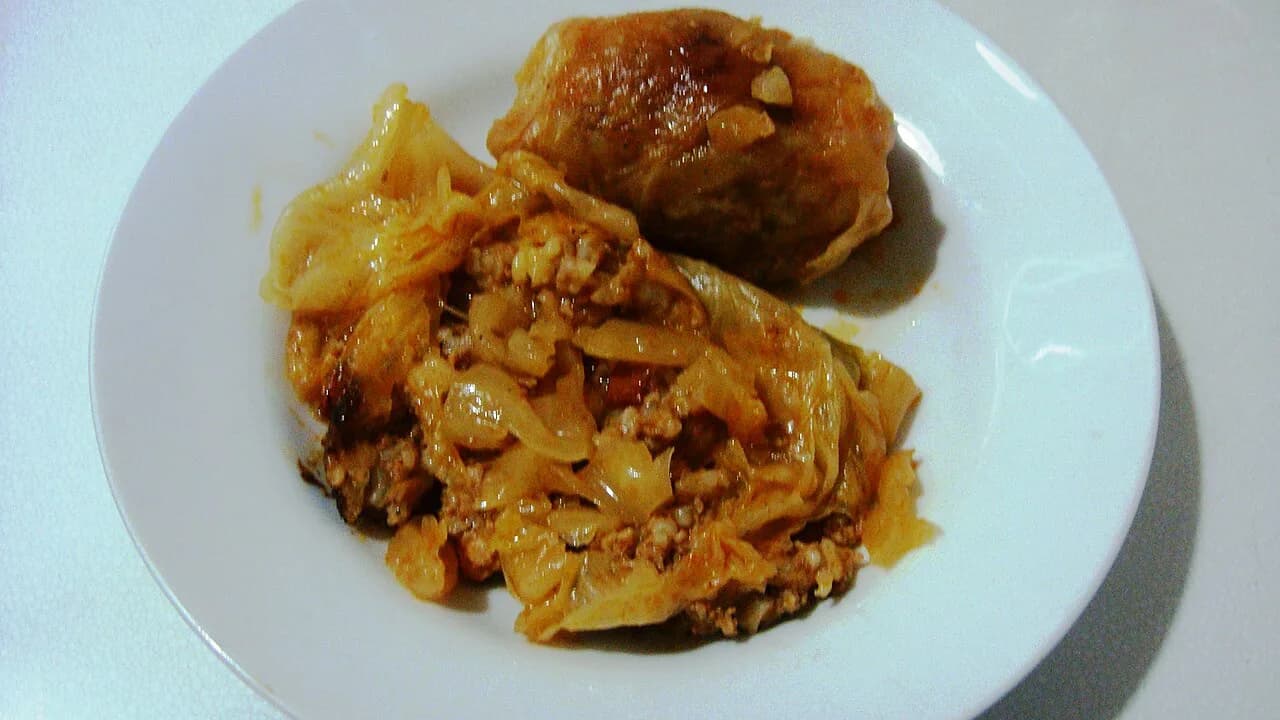
Sarma: Croatia's Stuffed Cabbage Rolls Explained
Sarma is minced meat and rice rolled in fermented cabbage leaves and slow-cooked. Here is what to expect on a Croatian menu and how it is served.
On this page
Sarma is minced meat and rice wrapped in fermented cabbage leaves and slow-cooked until soft, tangy and deeply savoury. It is a signature Balkan dish, appearing in Croatia, Serbia, Bosnia and Herzegovina, Bulgaria and Romania in closely related versions. This guide explains what the wrapper is, where the name comes from, how the rolls are cooked and served, and how sarma differs from punjene paprike and dolma so you order the right plate.
It is also a dish to order selectively: rich, sour and usually built around pork and smoked meat, it suits a cold evening or a long lunch rather than a light summer meal. If you are weighing it against lighter Croatian meat dishes, this explains what you are committing to before the plate arrives.
What sarma is: minced meat and rice wrapped in fermented cabbage leaves
The wrapper is the whole point. Sarma is made by stuffing pickled cabbage leaves with a filling of ground meat, spices and rice, which gives the dish its sour edge. That fermented leaf, not fresh cabbage, is what separates a proper sarma from a mild northern European cabbage roll.
The filling is typically minced meat and rice, and the rolls are simmered rather than baked dry. Some kitchens use beef alone, others a mix of meats, and some finish the dish with a tomato-based sauce. Recipes vary by household and region, so expect the same name to cover a family of closely related dishes.
Sarma belongs to the wider family of stuffed-leaf dishes, which is why it is often grouped with dolma on menus and in food writing. The technique of wrapping fillings in leaves travelled widely through the Ottoman world.
Where the name comes from and how the dish reached Croatia
The name derives from the Turkish word sarmak, meaning to roll, and the technique of wrapping fillings in leaves was practised across the Ottoman Empire. From there it spread through the Balkans and was adapted to local ingredients and preferences, with sour cabbage becoming the standard wrapper in Croatia and its neighbours.
Is sarma Turkish or Serbian? The technique of wrapping fillings in leaves came through the Ottoman Empire, and the name comes from the Turkish word for rolling. Sarma is now a shared Balkan dish, eaten in Croatia, Serbia, Bosnia and Herzegovina, Bulgaria and Romania, and it belongs to no single country.
Is sarma the same as cabbage rolls? Not quite. British and American cabbage rolls usually use fresh cabbage, while sarma uses fermented or pickled cabbage leaves, which give it a distinctly sour flavour and a softer texture after long cooking.
What is the difference between sarma and punjene paprike? The filling is very similar, but sarma wraps it in fermented cabbage leaves and punjene paprike stuffs peppers. They are treated as separate dishes, so order by name.
Today sarma is embedded in the culinary heritage of Croatia alongside Serbia, Bosnia and Herzegovina, North Macedonia, Bulgaria, Romania and Turkey, each with its own variation. It is not a rare heritage curiosity but an everyday dish with festive status, which is why it turns up on both konoba menus and family tables.
How sarma is cooked: layering, smoked meat and slow braising
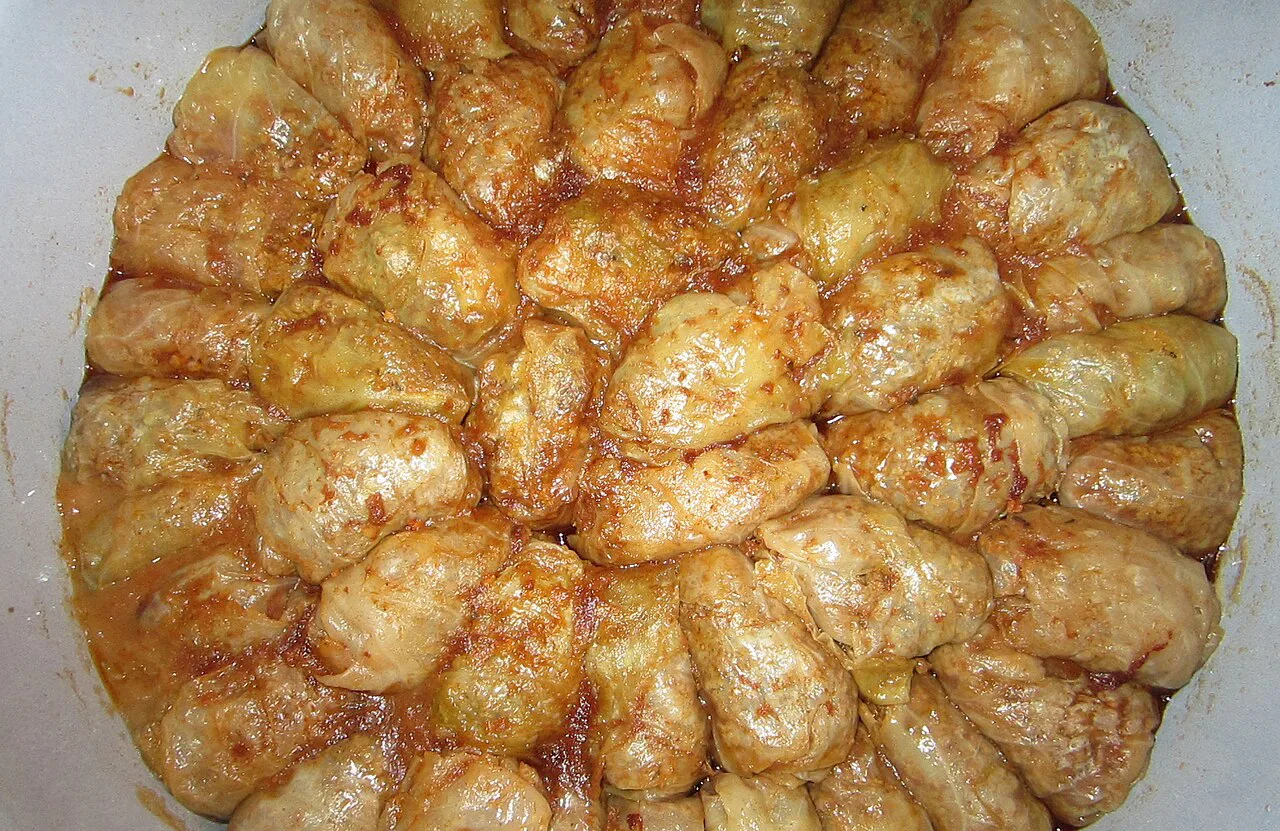
The rolls are packed into a deep dish, not spread on a tray. Torn or small leaves go on the bottom to stop the sarma catching, then the rolls are laid in tight layers with pieces of smoked meat and bay leaf tucked between them. Water comes partway up the dish, and spare leaves cover the top so the rolls steam as much as they bake.
Cooking is long and gentle, which is why the leaves end up soft enough to cut with a fork. One common approach bakes the covered dish first and then uncovers it so the top colours and the smoked meat roasts. The leaves on top may darken or look burnt; they are there to protect the rolls underneath and are discarded before serving.
Like many braises, sarma improves after a day in the fridge, when the sourness and smoke settle into the rice. That is also why it reheats well and why it appears at gatherings as a dish made in quantity ahead of time.
What it tastes like: sour cabbage, pork and paprika
The dominant note is sourness from the fermented leaf, followed by pork fat, paprika and a smoky backbone from the added meat. It is a heavy, savoury dish with a pronounced tang, not a bland stuffed vegetable. If you dislike pickled or fermented flavours, this is the Croatian main to skip.
Paprika and a stock-cube style seasoning such as Vegeta are common in home versions, and the meat is usually part-cooked with onion before rolling. Rice is cooked before it goes into the filling in many recipes, which keeps the texture separate rather than gluey.
Sour cream, yoghurt or a crumbly cheese is a common accompaniment in home cooking, cutting through the fat and acidity. On a restaurant plate, expect the kitchen to make its own call on that.
How sarma is served in Croatia: with mashed potato, polenta or bread
In Croatia sarma is a main course, served hot with something plain to soak up the sour juices. Mashed potato, polenta or a thick slice of bread are the usual partners, and the rolls arrive with some of the cooking liquid rather than dry. Order it as your whole main rather than a starter.
Because it is a braised dish made in batches, sarma fits the rhythm of a konoba kitchen better than a quick grill. It also sits naturally beside the rest of the Croatian meat dishes repertoire, where slow-cooked pork, paprika and smoked flavours recur. If you want to compare it with the grilled side of the menu, see our guide to Croatian meat dishes.
Sarma at festive tables and family gatherings
Sarma is a celebration dish as much as a winter staple, appearing at weddings, Christmas, Easter and other family occasions. It symbolises hospitality and the coming-together of a household, and it has been passed down through generations as a dish cooked rather than bought.
In Serbia, some cities host dedicated sarma festivals where chefs and home cooks compete over their versions, which says something about how seriously the dish is taken across the region. In Croatia it stays closer to the family kitchen and the konoba specials board.
Punjene paprike and dolma: how the relatives differ
Punjene paprike, or stuffed peppers, use almost the same filling but a different wrapper, and they are treated as a separate dish rather than a variant of sarma. If you want the pepper version, order punjene paprike by name; if you want the sour cabbage, order sarma. Our punjene paprike guide covers what to expect on the plate.
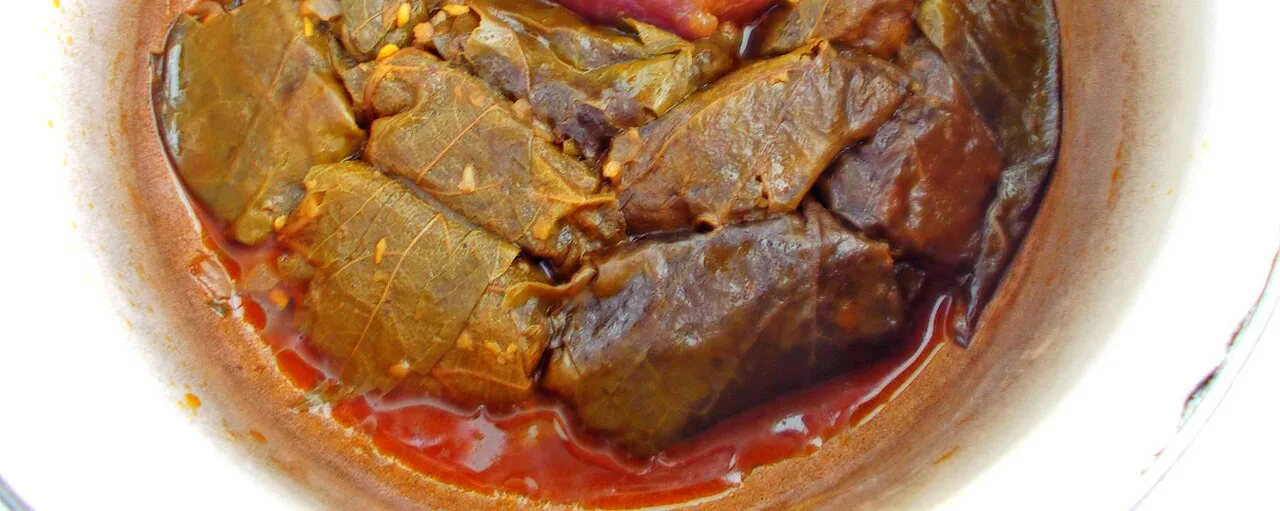
Dolma is the wider stuffed-leaf family, made with vine leaves or other wrappers and found across the Middle East and the Balkans. Sarma is the cabbage member of that family, so the words overlap but do not mean the same thing on a menu.
If sarma is not what you fancy, the grilled minced-meat route is a different meal entirely: ćevapi are small grilled rolls of minced meat served with flatbread and onion, and they are ordered by the number rather than braised. Our guide to ćevapi explains the portions and the accompaniments.
Sarma through the year: a cold-weather dish on konoba menus
Sarma is traditionally winter and festive food, made when fermented cabbage is at its best and the kitchen has time for a long braise. That timing tells you when to look for it rather than what it costs: it is most likely to appear as a daily special or winter menu item when the weather turns. In summer, a konoba is more likely to push grilled fish and lighter plates.
Menus in Croatia rotate, and the presence of sarma depends on the kitchen that day rather than a fixed national schedule. Ask what is cooking when you sit down, or scan the specials board, rather than expecting it on every printed menu.
If you are comparing heavy mains, sarma sits closer to Croatian goulash than to anything from the grill, sharing the same paprika-and-slow-cooking logic. Our Croatian goulash guide helps you choose between the two when both are on offer.
Should you order sarma?
Order sarma if you want a sour, smoky, slow-cooked main and you are eating in the colder half of the year. Skip it if fermented cabbage, pork fat or a heavy braise is not what you want before an afternoon of walking.
For a wider sweep of what to eat alongside it, from grilled minced meat to paprika-heavy stews, browse the Croatian meat dishes guide, which places sarma among the country's substantial plates. Then decide at the table whether the specials board is offering it today.
Explore more Croatia guides
Frequently Asked Questions
Is sarma Turkish or Serbian?
The technique of wrapping fillings in leaves came through the Ottoman Empire, and the name comes from the Turkish word for rolling. Sarma is now a shared Balkan dish, eaten in Croatia, Serbia, Bosnia and Herzegovina, Bulgaria and Romania, and it belongs to no single country.
Is sarma the same as cabbage rolls?
Not quite. British and American cabbage rolls usually use fresh cabbage, while sarma uses fermented or pickled cabbage leaves, which give it a distinctly sour flavour and a softer texture after long cooking.
What is the difference between sarma and punjene paprike?
The filling is very similar, but sarma wraps it in fermented cabbage leaves and punjene paprike stuffs peppers. They are treated as separate dishes, so order by name.
When is sarma usually available in Croatia?
It is traditionally a cold-weather and festive dish, most often found as a special in autumn and winter. Availability depends on the individual kitchen, so ask what is cooking that day.
Sources
Notes on eating well in Croatia
Optional updates to our food guides.
You might also like



Continue reading
More guides you'll find useful





