
Boškarin: Istria's Grey Ox and What the Meat Tastes Like
Boškarin is Istria's grey ox, now bred for beef. Learn how it reaches the table as steak or stew, what it tastes like and how to order it.
On this page
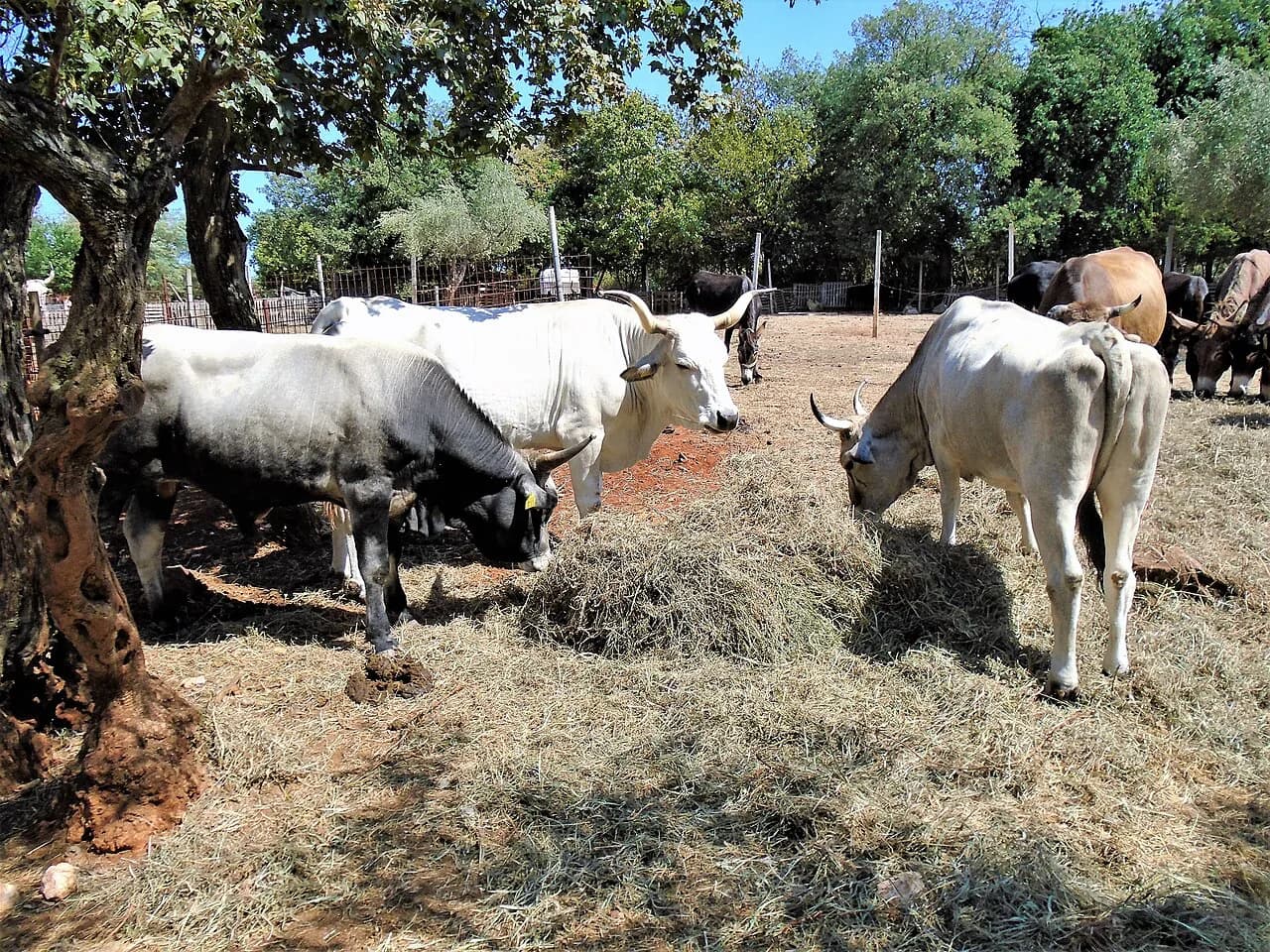
Boškarin is Istria's grey ox, a working breed turned beef cattle. You meet it on menus as two things: a sliced grilled steak called tagliata, or a slow-cooked stew with Istrian pasta or gnocchi.
The article covers what happened to this old draught animal, how the meat tastes and why it is treated as a delicacy, then how to choose between a steak and a stew, and between beef and Istria's other famous plates.
What boškarin is
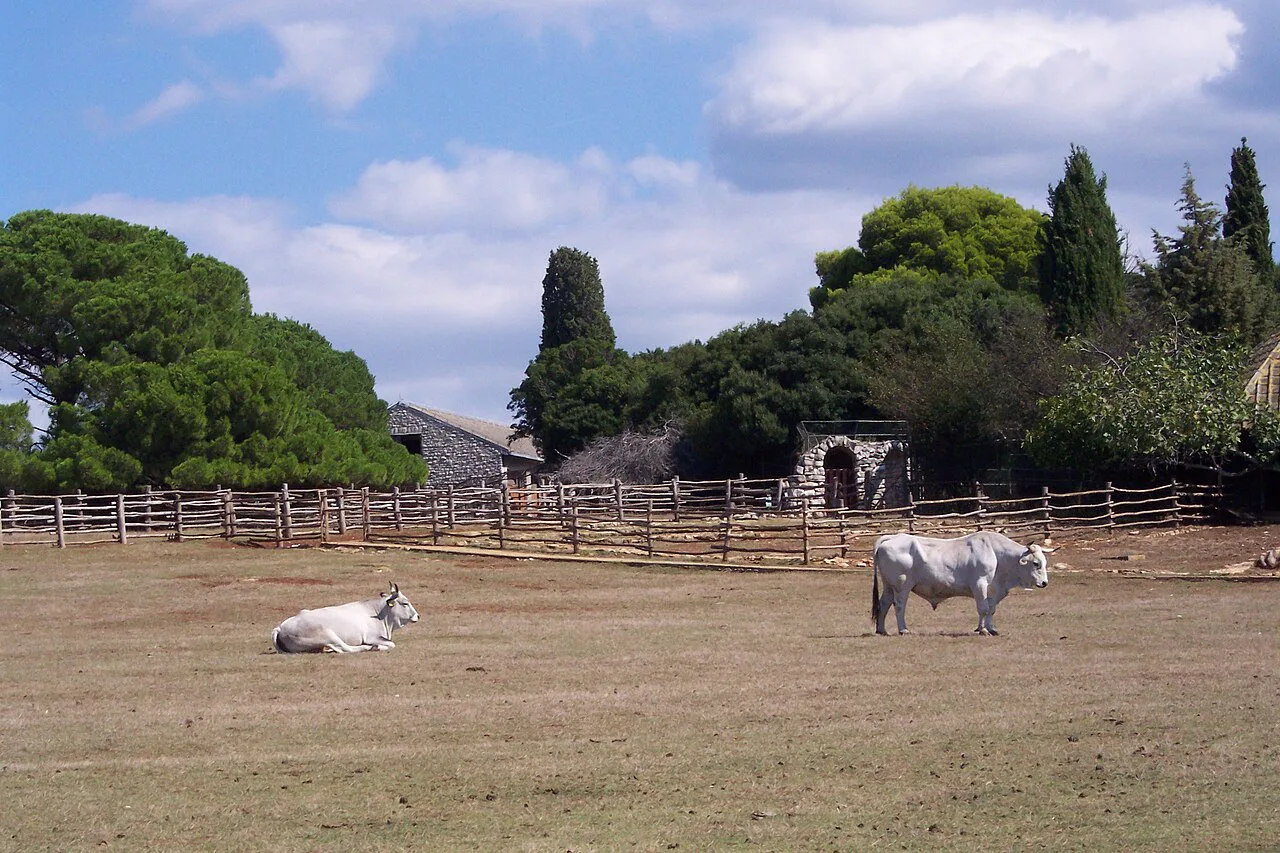
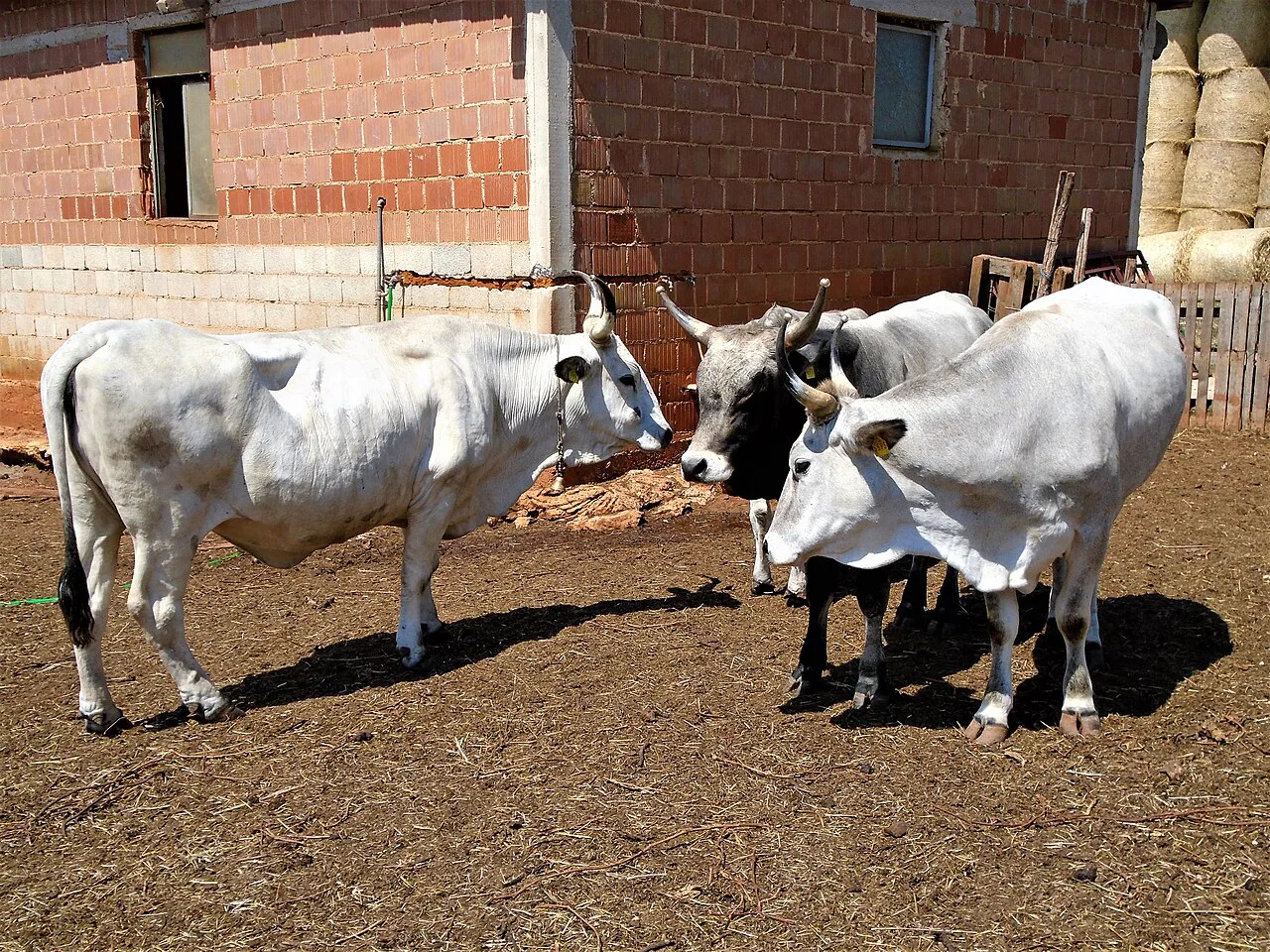
The boškarin is the traditional cattle of Istria, a heavy grey animal that once pulled ploughs and carts. Mechanisation put the breed's former job out of use, and it survives today as a food animal bred for the table as well as for preservation of the breed.
The cattle raised for the table are also bred to keep the old animal in existence, so eating boškarin is tied to conservation rather than to a disappearing farm trade.
How boškarin tastes and why it is treated as a delicacy
Boškarin is regarded in Istria as a true gourmet delicacy, handled delicately in the kitchen because the meat needs time or careful grilling rather than a quick flash in a pan. At the table it is served from slow braises or as beef steak cut thin and seared.
Is boškarin beef or ox? Boškarin is the Istrian breed of cattle, historically a working ox for the fields and raised today for its meat. Steaks and stews from the breed are beef in the kitchen sense, though the animal's working past is what makes it distinctive.
Does boškarin taste strong? It has a fuller, denser beef flavour than mass-market beef, which is why it suits thin slicing for tagliata or long slow cooking in a stew. Ask the kitchen how they recommend it cooked.
Is boškarin a traditional Istrian dish? The animal is old, but the dishes built around it are modern Istrian cooking rather than an ancient peasant recipe. The older staples on the same menus are the local pasta and the rooster braise.
Expect a fuller beef flavour than supermarket beef, best appreciated by slicing across the grain. A tagliata served medium-rare is the usual way to let that flavour show; asked for well done, much of the character is lost.
Tagliata: the sliced grilled steak
Tagliata is boškarin's sharpest expression: a steak of the cattle sliced after grilling and laid on rocket with olive oil and coarse salt, plus a seasonally chosen side. The Lošinj tourist board describes the Istrian boškarin tagliata exactly that way, naming the beef, rocket, oil and salt.
That garnishing is a useful yardstick when you read a menu: rocket, olive oil, coarse salt and a simple side mean the cook wants you to taste the beef, not a sauce. The same source names Za Kantuni on Vladimira Gortana in Mali Lošinj as a place serving it, a useful reference point on Lošinj rather than in Istria itself.
The stew: boškarin goulash with Istrian pasta
The other route is a boškarin goulash, cooked slowly with onion, carrot, celery, garlic and tomato paste, loosened with red wine, until the meat gives way completely. It is served with gnocchi or Istrian pasta, particularly fuži or pljukanci.
If the braise is on the specials board, order bread as well: the sauce is the point as much as the beef, and the fat that comes off a working animal's meat needs something to mop it. On a cold Bura day in inland Istria, the stew is the more comforting of the two.
The two dishes side by side
Pick the tagliata when you want to judge the beef itself, when the weather is mild and you have a terrace seat, and when a knife-and-fork plate of protein is the plan. Pick the stew when you want pastry-like pasta underneath, when you are cold, or when the table is sharing starters and wants one deep, slow-cooked centrepiece.
Neither is the ancient peasant dish of Istria; boškarin dishes belong to a modern, not a traditional, cuisine, though the animal itself is old. The pasta served with the stew, fuži and pljukanci, carries the county's older identity on the plate.
Both belong on the wider table of Croatian meat cooking, alongside the long roster that includes Slavonian čobanac and wild boar.
How it fits an Istrian meal
Order boškarin instead of seafood on a day when the weather has turned and the fish tank has nothing that catches your eye, or when the table is tired of truffles. Fuži with truffles is the famous Istrian first course; a boškarin tagliata makes a heavier main course that pairs better with a glass of Teran than with another plate of pasta.
Against Istrian žgvacet, the chicken or rooster braise, boškarin stew is the richer, beefier option. Against seafood, boškarin is the order for people who want red meat in a region that leans heavily on the Adriatic.
For something on the same table but from a different tradition, the small grilled sausages known as ćevapi come with their own ordering rituals.
Istrian menus often run through Croatian comfort food, and a plate of sarma is a reminder that the country's cooking extends well beyond the coast.
What to pay attention to when ordering
Tagliata is a beef steak, so ask the waiter for the weight of the piece before you agree to it, particularly when sharing between two, and ask whether the sides are included or charged separately.
A stew is a fixed portion and an easy choice for a single diner; a steak is often the plate a couple splits, with a pasta starter and a vegetable side to fill the gaps. If one person wants beef and the other does not, the stew still works alone at the table without leaving a share awkwardly half-eaten.
Istarski pršut and other charcuterie can crowd the bill before the main arrives, as ajvar and bread do on many Croatian tables. Keep the starter small if a boškarin steak is coming.
Steak or stew?
Go for tagliata if the beef is the headline dish and you want to taste boškarin with rocket, oil and salt; go for the stew if you want a slow braise with fuži or pljukanci underneath. Ask the weight of a steak before you order it, and treat a stew as the safer single portion.
Either way, you are eating an animal that was saved from the fields rather than an old family recipe, and that makes boškarin one of the more interesting plates in Istria.
Explore more Croatia guides
Frequently Asked Questions
Is boškarin beef or ox?
Boškarin is the Istrian breed of cattle, historically a working ox for the fields and raised today for its meat. Steaks and stews from the breed are beef in the kitchen sense, though the animal's working past is what makes it distinctive.
Does boškarin taste strong?
It has a fuller, denser beef flavour than mass-market beef, which is why it suits thin slicing for tagliata or long slow cooking in a stew. Ask the kitchen how they recommend it cooked.
Is boškarin a traditional Istrian dish?
The animal is old, but the dishes built around it are modern Istrian cooking rather than an ancient peasant recipe. The older staples on the same menus are the local pasta and the rooster braise.
Sources
Notes on eating well in Croatia
Optional updates to our food guides.
You might also like



Continue reading
More guides you'll find useful





