
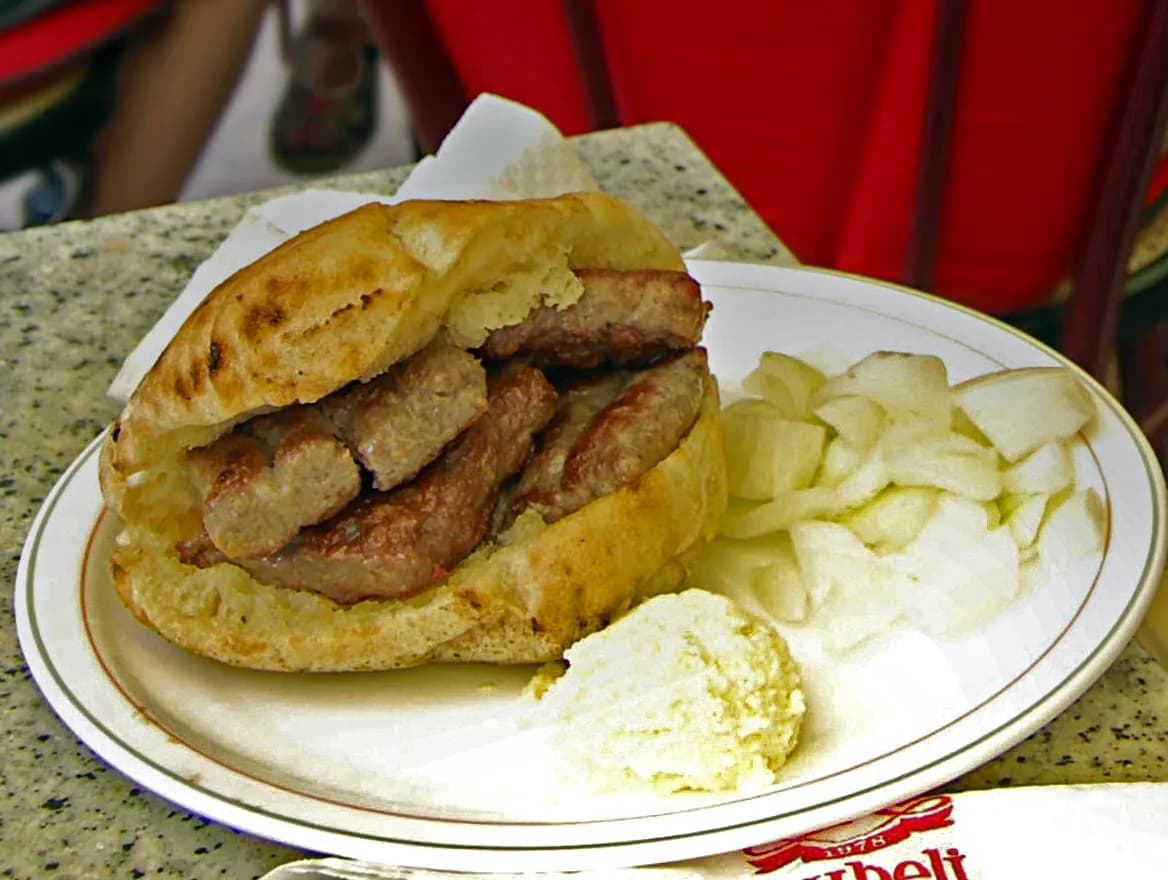
Lepinja: The Balkan Flatbread Served With Ćevapi
Lepinja is a soft, yeast-raised Balkan flatbread served warm with ćevapi to soak up the juices. Here is what it is, how it is made and what to order with it.
On this page
Lepinja is a soft, yeast-raised flatbread from the Balkans, most often served warm alongside ćevapi so it can absorb the juices from the grilled meat. It is similar in style to pita or pide, but it is not the same bread. This guide covers what lepinja is made from, how it is shaped and baked, how it is eaten in Croatia, and what separates a good one from a forgettable one.
If you have ordered ćevapi in Croatia, the bread underneath or beside the minced-meat fingers was almost certainly lepinja. Knowing how it is made helps you spot the difference between bread baked that morning and a dry roll warmed through as an afterthought.
What lepinja is
Lepinja is a soft, yeast-raised flatbread popular across the Balkans, made from a simple wheat dough and baked in rounds. The bread is deliberately tender rather than crisp, with a thin, pale crust usually marked by a faint grid pattern pressed into the top before baking. It belongs to the same broad family as pita and pide, but it is a distinct bread with its own texture and role on the plate.
In Croatia, lepinja turns up wherever grilled minced meat is served, most reliably with the Ćevapi: What They Are and How to Eat Them in Croatia. Within the wider picture of Croatian Meat Dishes, it is the quiet constant: the bread that arrives with the grill plate rather than a dish ordered in its own right.
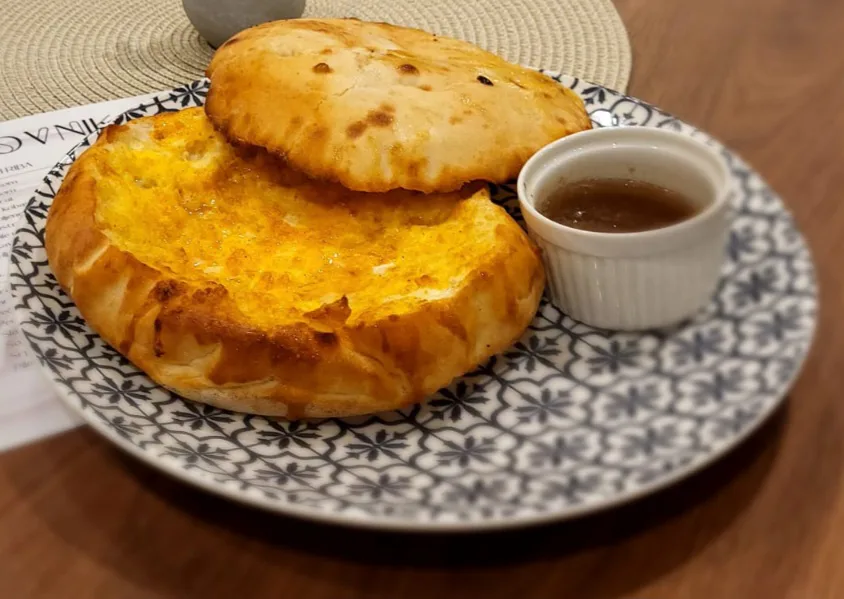
How lepinja is served with ćevapi
Ćevapi are small grilled rolls of minced meat, and lepinja is the bread that comes with them. The pairing works because the bread is soft and slightly chewy, so it soaks up the fat and juices that collect under the meat instead of going soggy and falling apart. If you are new to the dish, our guide to Ćevapi: What They Are and How to Eat Them in Croatia walks through the order, the sides and how the bread fits in.
Is lepinja the same as pita bread? No. Lepinja is similar in style to pita and pide, but it is a distinct soft, yeast-raised flatbread with its own texture.
What is the bread served with ćevapi called? The bread served with ćevapi in Croatia is lepinja. It arrives warm, is eaten torn or Split, and is there to soak up the juices from the grilled minced meat.
What goes into lepinja? The dough is made from plain wheat flour, yeast, water or milk, oil, salt and a little sugar. Some home recipes add a spoon of wine vinegar or use milk powder, but the basic bread depends on a soft dough and enough rising time rather than on a long ingredient list.
The bread usually arrives warm, either as a whole round or Split open, and you tear or cut it yourself. Some places serve the ćevapi tucked inside the lepinja, wrap-style, so the juices stay in the bread as you eat. Either way, the job of the lepinja is the same: it is there to mop up what the meat leaves behind.
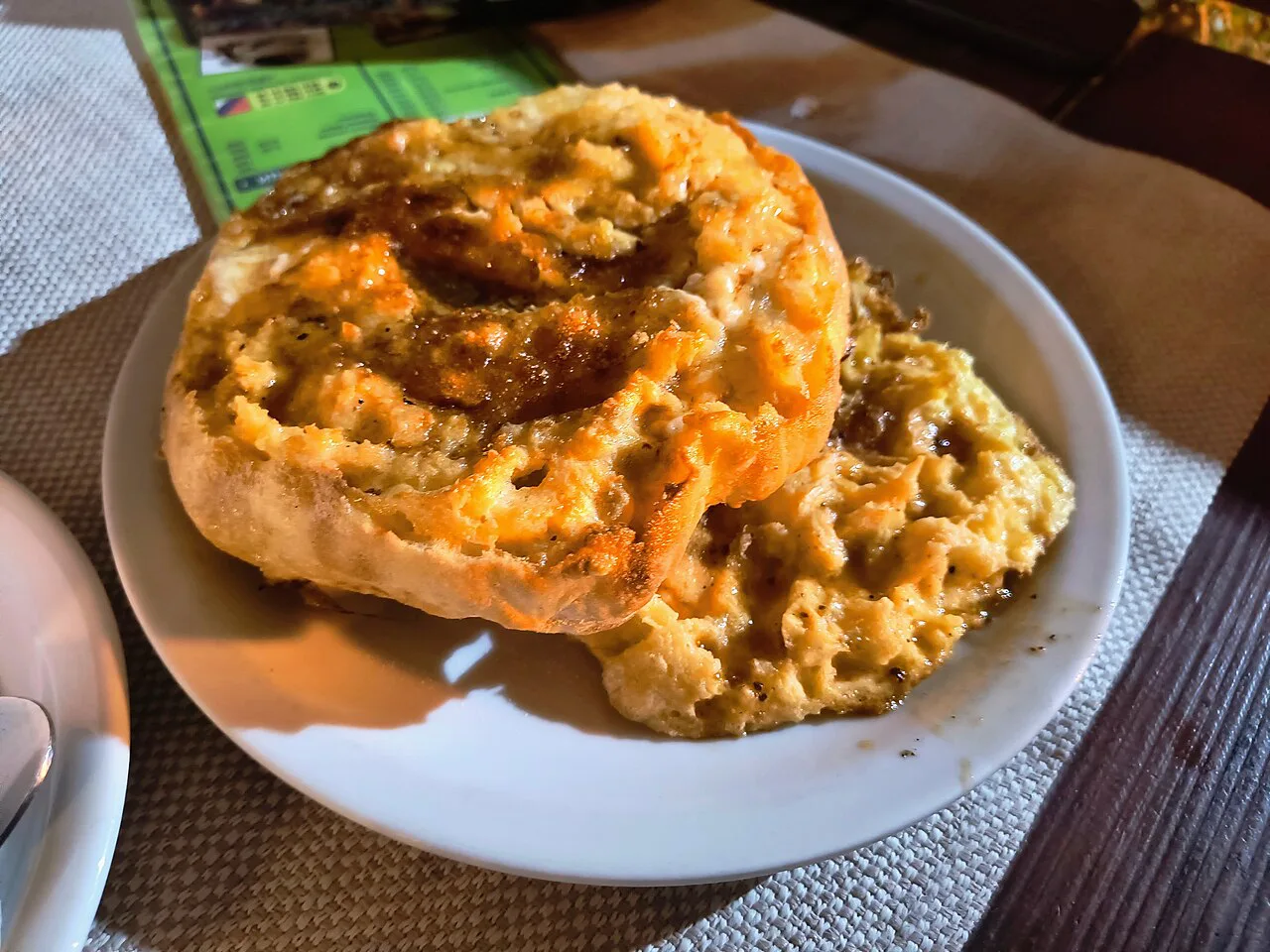
What lepinja is made from
The dough is plain: plain wheat flour, yeast, water or milk, oil, salt and a little sugar. Some recipes use lukewarm water and some use lukewarm milk, usually alongside a spoon of sunflower or vegetable oil, which keeps the crumb tender. The sugar is not there to make the bread sweet; it feeds the yeast and helps the dough rise.
Home recipes vary in details but not in principle. One Croatian home-baking recipe mixes flour with milk powder, fresh yeast, a little sugar, salt, oil, a spoon of wine vinegar and lukewarm water, which gives a soft dough that is left to rise twice before shaping. The vinegar is a home-baker's touch rather than a required ingredient, and it does not change the basic character of the bread.
A simplified version uses just flour, dry yeast, salt, sugar, lukewarm water and oil, which shows how little the bread depends on anything fancy. What matters is a soft, slightly wet dough and enough rising time, not a long list of ingredients.
How lepinja is shaped and baked
Once the dough has risen, it is divided into pieces, rested briefly and flattened into rounds about a centimetre thick. The surface is then marked with a grid, usually by pressing the back of a knife or a skewer across it, which gives the baked bread its familiar diamond pattern. The rounds are left to rest again before they go into a hot oven.
Baking happens fast at high heat, roughly ten minutes in an oven preheated to around 250°C. That short, fierce bake sets the crust without drying out the middle, which is why the crumb stays soft. Home bakers sometimes sprinkle a little water on the baked bread and wrap it in a towel straight away, trapping steam to keep the crust from hardening.
Older home methods skipped the oven altogether. One account describes grandmothers shaping the dough with extra flour, laying the rounds in damp cloths on a wooden board and taking them to the neighbourhood bakery to be baked. It is a reminder that lepinja has long been everyday bread, not restaurant food.
How lepinja is eaten
Eat lepinja warm and tear it with your hands rather than slicing it neatly. Tearing keeps the soft crumb intact and gives you a rough edge to scoop up juices, ajvar or the last of the meat. If the bread is served whole, Split it open and use the inside as a pocket.
The bread is rarely the point of the meal on its own, but it shapes how the plate works. Alongside grilled meat, a fresh lepinja is the difference between a dry plate and one where every bit of flavour gets eaten.
What to eat with lepinja
Beyond ćevapi, lepinja turns up with pljeskavica, the large flat grilled meat patty that is a cousin of the burger. It also appears with suđuk, a cured pork sausage, and with white cheese and watermelon, a combination that works as a light summer meal. Each of these is a plain pairing where the bread does the same job: it carries, soaks and softens.
On the side, two dishes commonly served with ćevapi are prebranec, a baked bean dish, and shopska salad, a chopped salad of tomato, cucumber, onion and grated white cheese. Both are worth ordering, and both benefit from a piece of lepinja to finish the plate.
In Balkan home baking, lepinja is also breakfast and supper bread, eaten with white cheese, cured sausage or watermelon, and it is especially associated with Ramadan tables in Bosnian households. It is not a special-occasion bread so much as a daily one.
What makes a good lepinja
A good lepinja has a soft, tender crumb with a slight chew and a thin crust that has not toughened. It should smell of fresh bread and taste of wheat rather than of the grill it sat under. Look for the faint grid pattern on top and a round that gives when you press it.
Freshness matters more than anything else here. Lepinje are best the day they are baked, and a day-old one loses the softness that makes the bread useful in the first place. In a restaurant, that means the bread should arrive warm and pliable, not dry at the edges.
If you are eating in a konoba or grill house, the bread is usually included with the meat rather than ordered separately. If it is not on the table, ask; it is a standard part of the plate rather than a special request.
Order the ćevapi and judge the bread
Order ćevapi in Croatia and the lepinja will tell you a lot about the kitchen: warm, soft and fresh means someone is paying attention to the whole plate, not just the meat. If the bread is dry and stiff, the rest of the meal is worth a second look.
Use the bread as it is meant to be used, torn and dragged through the juices, with ajvar or a shopska salad alongside. It is a simple thing done well, and that is the whole appeal.
Explore more Croatia guides
Frequently Asked Questions
Is lepinja the same as pita bread?
No. Lepinja is similar in style to pita and pide, but it is a distinct soft, yeast-raised flatbread with its own texture. It is thicker and more pillowy than a thin pita and is baked as a round with a faint grid pattern on top.
What is the bread served with ćevapi called?
The bread served with ćevapi in Croatia is lepinja. It arrives warm, is eaten torn or Split, and is there to soak up the juices from the grilled minced meat.
What goes into lepinja?
The dough is made from plain wheat flour, yeast, water or milk, oil, salt and a little sugar. Some home recipes add a spoon of wine vinegar or use milk powder, but the basic bread depends on a soft dough and enough rising time rather than on a long ingredient list.
Can you eat lepinja on its own?
Yes. Lepinja is everyday bread as well as a partner for grilled meat. In Balkan homes it is eaten at breakfast or supper with white cheese, cured sausage or watermelon.
Sources
Notes on eating well in Croatia
Optional updates to our food guides.
You might also like



Continue reading
More guides you'll find useful





