
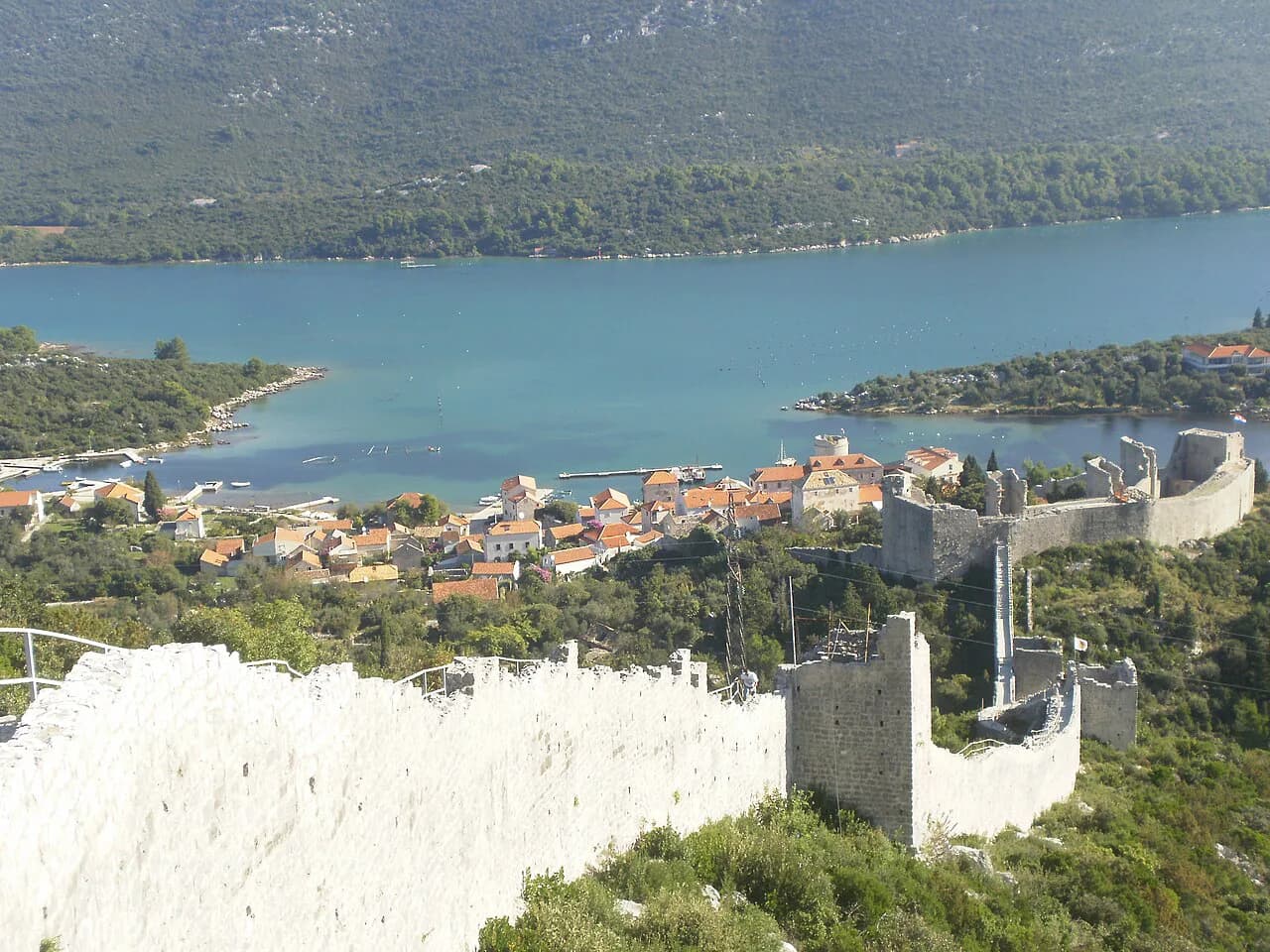
Stonska torta: Croatia's Ston Cake of Pasta, Nuts and Spice
Stonska torta is a Croatian cake from Ston built on makaruli pasta layered with ground nuts, chocolate and cinnamon. Here is what it is and what to expect.
On this page
Stonska torta is a Croatian cake from Ston, south of Dubrovnik, and yes, it is built on pasta. Small penne-shaped pasta called makaruli is cooked, then layered with ground almonds or walnuts, grated chocolate, cinnamon and lemon zest inside a thin pastry case. It is a dense, spiced dessert with a savoury edge rather than a light cream cake, and that is worth knowing before you order a slice.
This guide covers what the cake is, what goes into it, how it is baked, how it tastes and where in the Dubrovnik region you come across it. It also explains why it sits apart from the creamy cakes most visitors know, so you order the right thing on a dessert menu.
What Stonska torta is
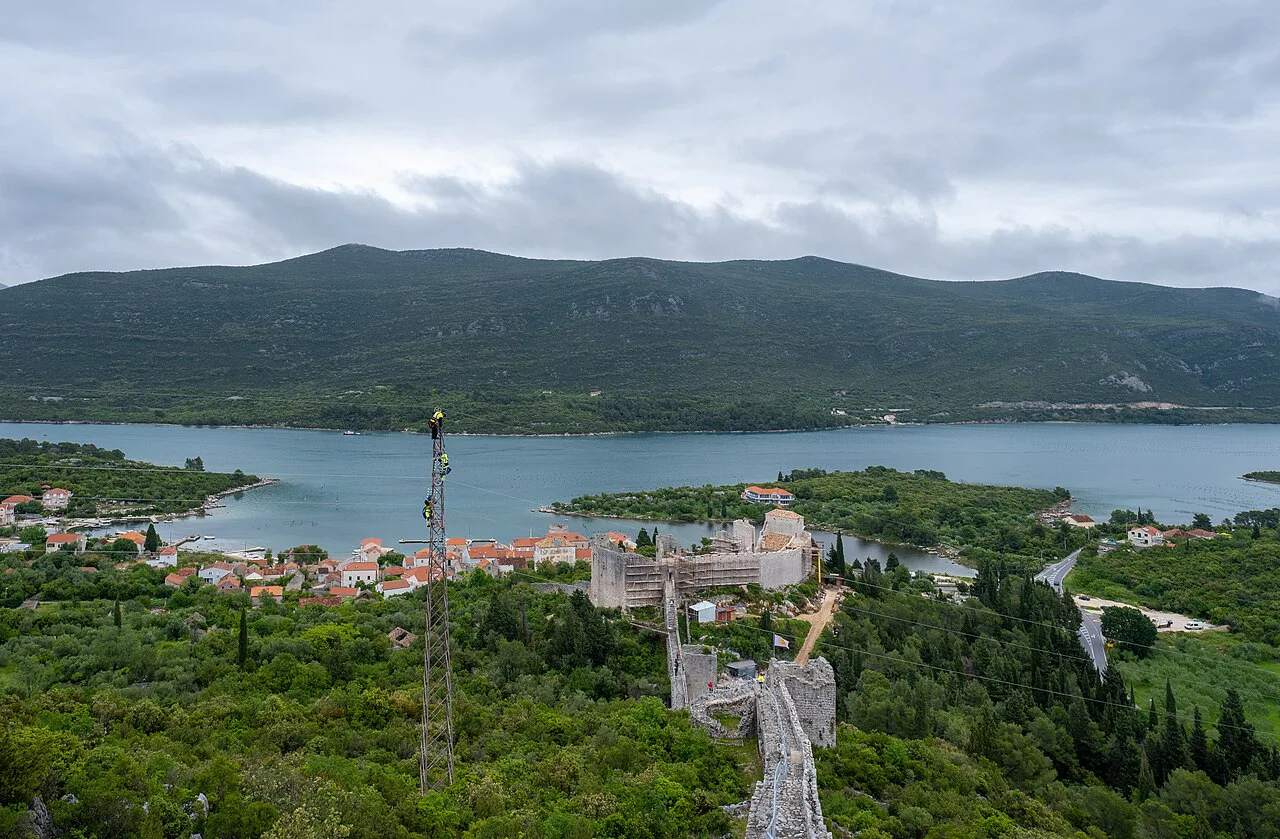
Stonska torta is a baked sweet cake, traditionally made in round moulds, that takes its name from the walled town of Ston on the Pelješac peninsula. Its defining feature is the filling: cooked makaruli pasta mixed with a fragrant blend of ground nuts, chocolate and warm spices. It is served in slices like a tart, not spooned from a bowl like a cream dessert.
Think of it as a pasta pie with a sweet, spiced filling rather than a sponge cake. The pasta gives it body, the nuts and chocolate give it richness, and the pastry shell holds the whole thing together. If you are expecting something soft and airy, it will surprise you.
What goes into it: makaruli pasta, nuts, chocolate, cinnamon and lemon zest
The core ingredient is makaruli, a short pasta shaped much like penne, which is boiled before it goes into the cake. It is combined with ground almonds or walnuts, grated chocolate, cinnamon and grated lemon zest, which together give the filling its aroma. The mixture is bound with melted butter and egg before baking.
Does Stonska torta contain pasta? Yes. The filling is made from makaruli, a short penne-shaped pasta that is boiled before being layered with ground nuts, chocolate, cinnamon and lemon zest inside a pastry case.
Is Stonska torta served warm or cold? It is a baked cake that is cut into slices and typically served cooled. The pasta firms up when chilled and softens as it warms, so ask how it is being served if that matters to you.
Is Stonska torta the same as torta od makarula? Yes. Stonska torta, torta od makarula and makaruli are different names for the same cake, one naming the town it comes from and the others naming its main ingredient, the pasta.
The mixture allows ground almonds or walnuts, so the nut can vary, but cinnamon and grated lemon zest are part of the recipe rather than background notes. Together with the chocolate and the pasta they give the cake its distinctive aroma.
How it is baked and why it is wrapped in pastry
A thin layer of dough forms the base in the round mould, and the cooked, spiced makaruli goes in on top of it. The cake is then wrapped in pastry to enclose the filling before baking. That casing gives each slice a firm edge against the soft, nutty centre.
The result is closer to a baked tart than to a sponge. The sources describe it as a festive cake traditionally made in round moulds, which suits the way it is sliced into wedges and shared at celebrations.
What it tastes like: sweet, spiced and savoury-edged
The dominant notes are sweet, cinnamon and lemon, with the pasta giving a soft layer under the nuts and chocolate. It is dense and filling, so a modest slice goes a long way, and the pastry edge adds a firmer contrast to the centre.
It is a divisive cake, and openly so: it has sweet and savoury elements that you either like or are challenged by. It suits anyone who likes spiced, textured desserts more than light cream ones. If you dislike cinnamon or the idea of pasta in a cake, choose something else from the display.
Stonska torta or torta od makarula: the same cake
You will see the cake under more than one name. Stonska torta simply means the cake of Ston, while torta od makarula describes the same thing by its main ingredient, the pasta. Locals also shorten it to makaruli. None of these names signals a different dessert, so order with confidence whichever appears on the board.
Where you meet it: Ston and the wider Dubrovnik region
The cake is closely tied to Ston, but it is also made across the wider region, so it is not confined to one town. Bakeries and dessert counters in the Dubrovnik area are the obvious places to look, and it often appears alongside other traditional sweets. Availability varies by shop and season, so ask what is in the case that day.
If you are eating your way through the region's sweets, it helps to know how it fits. It belongs with the baked, spiced, nut-based end of the Croatian desserts spectrum rather than with the cold cream slices, and seeing it in that company makes the pasta filling feel more regional.
When it is made and eaten
Stonska torta has a long tradition as a festive cake, made for celebrations rather than as a delicate plated dessert. In the Dubrovnik area it turns up on sweet counters as well as in restaurants.
Presentation varies from place to place. The cake is dense and firm enough to cut into slices, and that structure is part of why it is served at festivities.
Stonska torta and other Croatian desserts
Croatia's best-known sweets tend to be creamy or fried: the custard slice known as kremšnita, the little fried doughnuts called fritule, and the flaky cheese pastry sirnica. Stonska torta is none of these. It is a baked, sliced, nut-and-pasta cake, and that difference is exactly why it is worth trying at least once.
If you like the sound of a spiced, nutty bake, the layered pastry cakes of northern Croatia are the nearest relatives in spirit, while the lighter, fruitier sweets of the coast sit at the other end of the scale. Ordering across a trip makes the regional differences clear.
On the Dalmatian coast, other cakes such as Makarska torta are built on similar logic, so a slice of Stonska torta is a good entry point to that family. Just expect a denser mouthful than the cream slices you may have started with.
Should you order a slice of Stonska torta?
Order it if you want to taste something genuinely local and are happy with a dense, spiced, nutty cake with a savoury edge. Skip it if you want something light and creamy, in which case a cream slice is the better call. Either way, a slice shared between two is a sensible way to try it without committing to a whole portion.
Seek it out in Ston and around the Dubrovnik region, ask what is available that day, and treat it as a regional speciality rather than a national one. That framing is what makes the pasta filling make sense.
Explore more Croatia guides
Frequently Asked Questions
Does Stonska torta contain pasta?
Yes. The filling is made from makaruli, a short penne-shaped pasta that is boiled before being layered with ground nuts, chocolate, cinnamon and lemon zest inside a pastry case.
Is Stonska torta served warm or cold?
It is a baked cake that is cut into slices and typically served cooled. The pasta firms up when chilled and softens as it warms, so ask how it is being served if that matters to you.
Is Stonska torta the same as torta od makarula?
Yes. Stonska torta, torta od makarula and makaruli are different names for the same cake, one naming the town it comes from and the others naming its main ingredient, the pasta.
Sources
Notes on eating well in Croatia
Optional updates to our food guides.
You might also like



Continue reading
More guides you'll find useful





