
Peka: Croatia's Slow-Cooked Dish Under the Iron Bell
Peka is Croatian food cooked slowly under a clay or cast-iron bell heaped with coals. Here is what peka is, what goes in it and how it reaches the table.
On this page
Peka is Croatian food baked slowly under a domed clay or cast-iron lid that has hot coals heaped on top and around it. The word names both the lid and the dish, so a menu entry for peka means a shared pot of meat or seafood cooked under that bell. This guide covers what the bell is, what goes inside it, how the coals do their work and what to expect when you order one.
What peka is: the dish and the lid
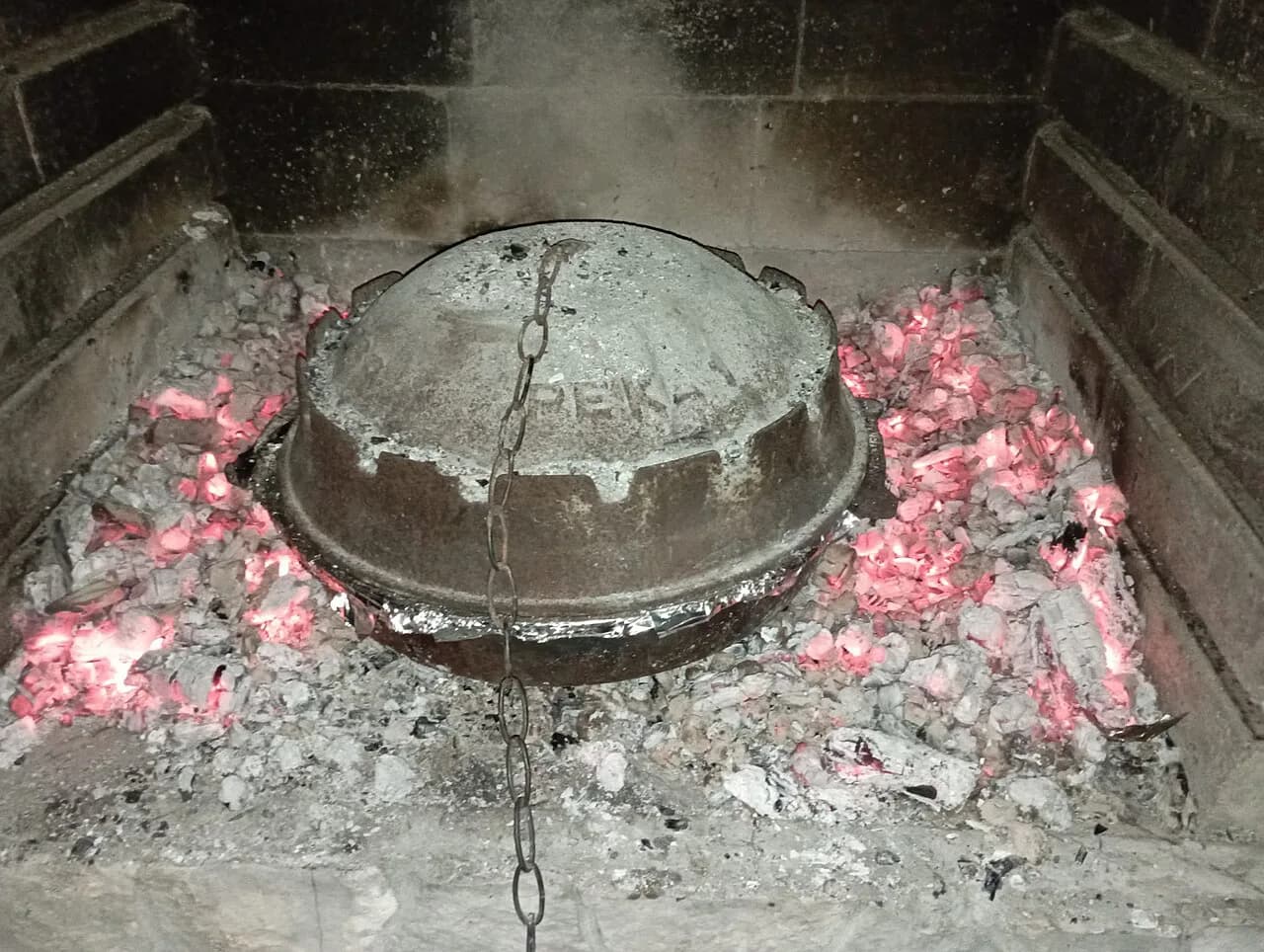
In Croatian use, peka covers two things at once. The peka is the heavy lid, a shallow dome of fired clay or cast iron, which is covered with embers so the heat comes from above as well as below. The same word then describes the food cooked beneath it, which is why a konoba can list peka on the menu without telling you whether lamb or octopus is coming.
Meat, seafood and vegetable versions. The most common version is lamb, cut into pieces and layered with potatoes and other vegetables.
How the coals do the cooking. A peka is built in layers. The meat or seafood and vegetables go into a wide, shallow pan, the lid is sealed on with dough or simply set tight, and coals are spread over the top and sometimes pushed around the sides..
Peka in a konoba: ordering and serving. Peka is a shared dish, usually cooked for a group, which makes it a poor choice for a solo diner and a good one for four or more.
Think of it as a portable oven rather than a recipe. The lid traps steam and radiates steady heat downwards, so the food inside braises in its own juices with no flame touching it. That is the whole technique, and it explains why the results taste roasted and stewed at the same time.
Meat, seafood and vegetable versions
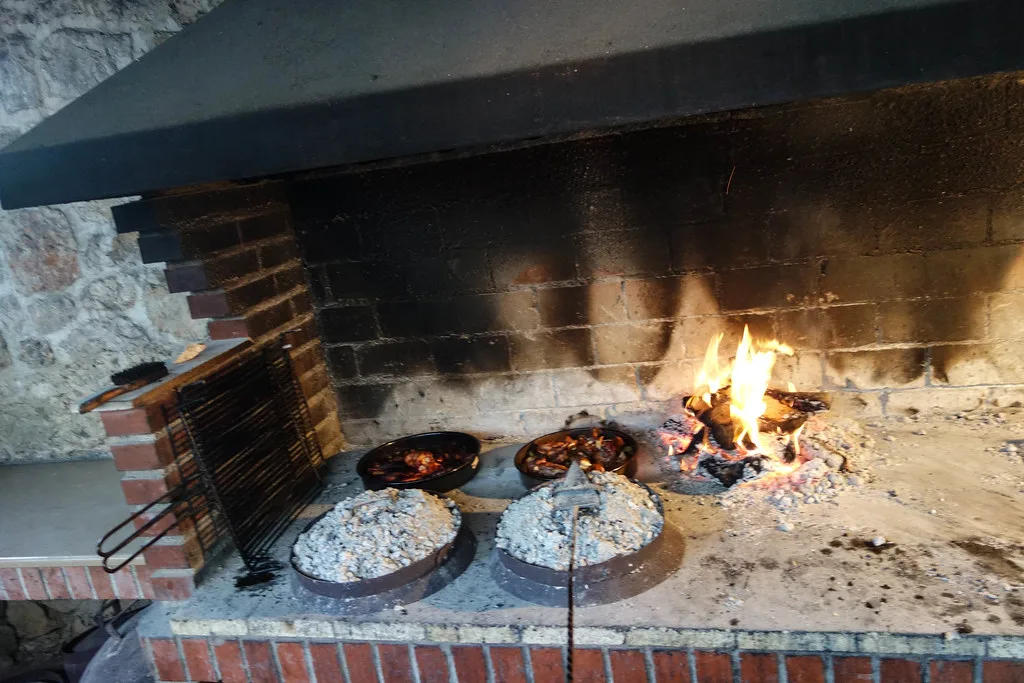
The most common version is lamb, cut into pieces and layered with potatoes and other vegetables. Veal and chicken work the same way, and the root vegetables go in with the meat because they need the same long, damp heat and finish tender rather than scorched. In coastal konobas, octopus peka is the other classic, often with potatoes that soak up the juices the octopus releases as it softens.
Vegetable-only peka exists too, built from peppers, aubergines, courgettes and potatoes, and it suits a table where not everyone eats meat. The seasoning stays plain. The method is the point, so there is no long spice list to hide behind.
How the coals do the cooking
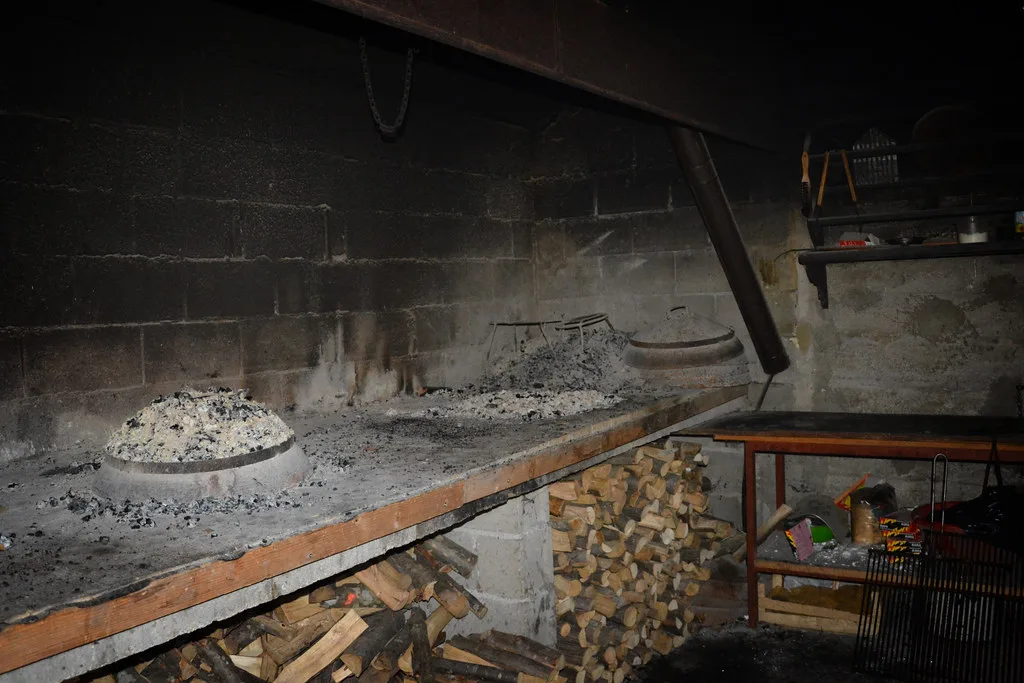
A peka is built in layers. The meat or seafood and vegetables go into a wide, shallow pan, the lid is sealed on with dough or simply set tight, and coals are spread over the top and sometimes pushed around the sides. Because the heat is gentle and constant, the food steams and braises rather than frying, and nothing dries out even after a couple of hours.
No liquid is added at the start beyond what the meat and vegetables release, so the flavour concentrates instead of diluting into a thin broth. The trade-off is time: a lamb peka needs a long stretch under the coals, which is why the dish is planned rather than ordered on impulse. The result should be meat that gives way under a fork and vegetables glossy with fat and juices.
Peka in a konoba: ordering and serving
Peka is a shared dish, usually cooked for a group, which makes it a poor choice for a solo diner and a good one for four or more. Because the food takes a long time under the coals, a konoba may well ask for it to be arranged in advance, either when you book or earlier the same day. If you have your heart set on it, say so when you reserve.
On arrival, the pan is often brought out still under the lid and opened at the table, releasing a rush of steam and the smell of roasted meat and herbs. Expect a generous platter rather than neat individual plates. Bread is the usual companion to mop up the juices, and a simple salad or a side of blitva, Croatia's chard and potato side dish, keeps the meal balanced.
If peka is not on the table, Croatian menus still offer plenty of slow-cooked alternatives, from pašticada (beef braised in a sweet-sour sauce) to gregada, the Hvar fish and potato stew. These are useful reference points for the wider range of Croatian dishes cooked low and slow. Ordering a peka is the special-occasion version; the stews are the everyday ones.
How peka differs from oven-roasting or grilling
A brick oven and a peka both rely on stored heat, but they behave differently. In an oven the air circulates dry and hot around the food, which browns the surface and can dry out lean cuts. Under a peka the coals sit directly on the lid, the trapped steam keeps the interior moist, and the underside of the pan gets heat too, so the cooking is even from both directions.
Grilling gives you char and smoke in minutes; peka gives you softness and depth in hours. That contrast explains why octopus cooked under the bell tastes nothing like chargrilled octopus, and why lamb peka lacks the crisp edges of a roast. Choose peka when you want the whole table to eat from one pot, slowly, rather than a quick plate of grilled fish or meat.
What to drink and how much to order
A robust meat peka stands up to a structured red, while octopus peka sits more comfortably with a crisp white or a light rosé. Keep the drinking moderate and let the food lead. Water on the table is sensible, especially in summer, and a coffee afterwards is the usual Croatian finish rather than a heavy dessert.
Portion sizes vary, but peka is filling: meat, potatoes and bread add up. For a table of four, one large peka plus a salad and bread is usually enough, and it is better to add a starter such as pršut (cured ham) or a plate of cheese than to double up on the main. If you are a smaller group, agree the portions with the kitchen before committing.
Making peka at home without a fireplace
The method depends on coals heaped on a heavy lid, so a domestic oven cannot replicate it exactly. The closest approach is a heavy lidded pot in a low oven, which traps steam and cooks evenly but lacks the radiant top heat that gives peka its character. You will get tender meat and vegetables, just without the faint smokiness that the coals impart.
If you do have a garden or a barbecue, a dedicated peka lid or a cast-iron sač over a bed of coals is the real thing, and it rewards patience. Keep the coals moderate rather than fierce, seal the lid as well as you can, and resist lifting it to check. Every peek releases steam and lengthens the cooking time.
Should you order peka or something quicker?
Order peka if you have a group, an evening to spare and a willingness to arrange it ahead. It is Croatia's most communal cooking method, and the drama of the lid coming off at the table is part of what you are paying for. For a solo meal or a quick lunch, order grilled fish, a stew or a plate of crni rižot, the squid-ink risotto, instead.
If you are weighing up the wider menu, the Croatian dishes guide sets out the main plates and how they are served, which makes it easier to decide where peka fits in your trip. Book the peka for the big group dinner and keep the rest of your meals flexible. For the practical details, see the burek.
Explore more Croatia guides
Sources
Notes on eating well in Croatia
Optional updates to our food guides.
You might also like



Continue reading
More guides you'll find useful



