
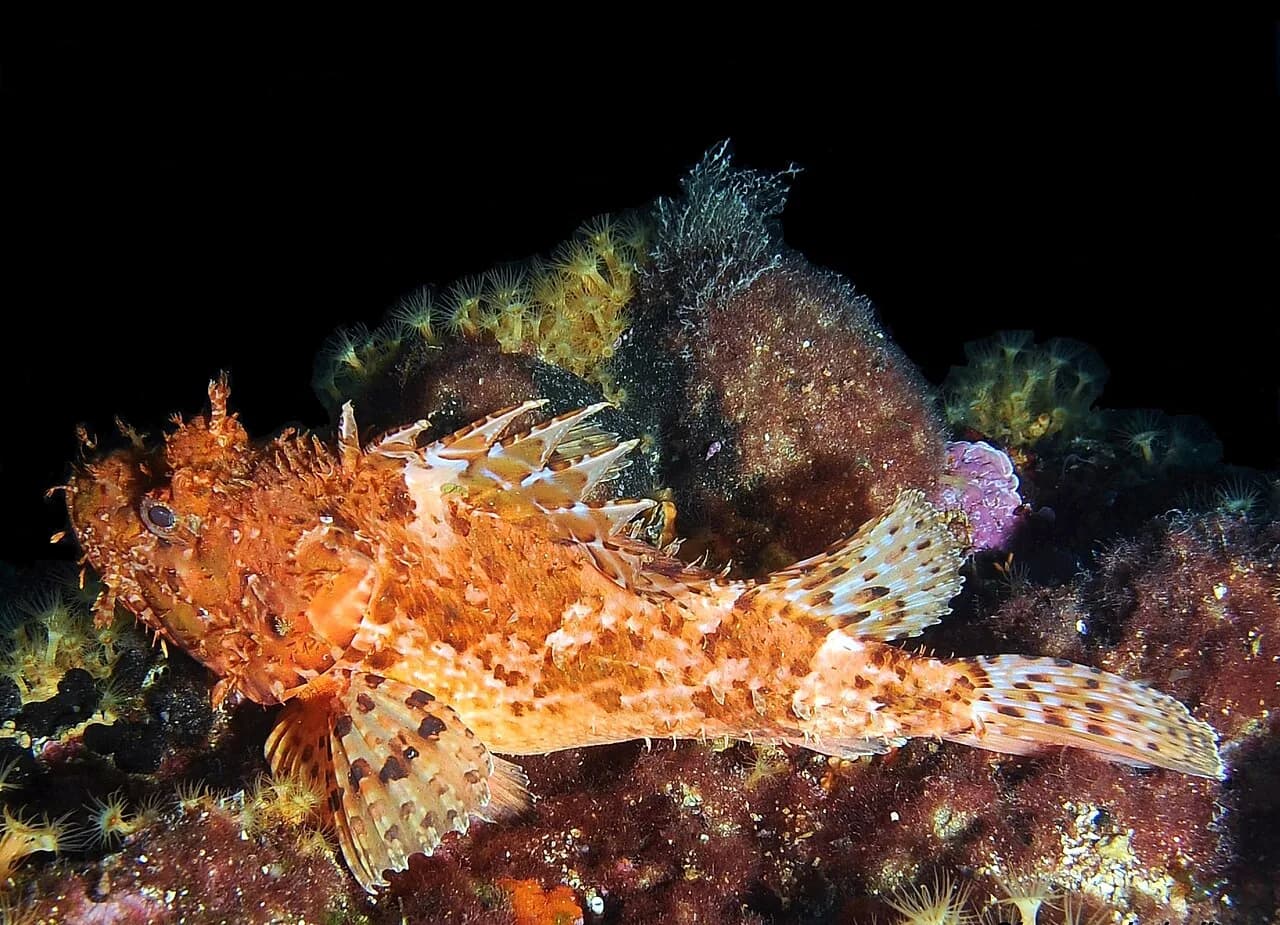
Škrpina: How to Order Croatia's Scorpionfish
Škrpina is the Adriatic scorpionfish, a spiny rock fish with firm white flesh. Here is what it is, how it is cooked and how to order it in Croatia.
On this page
Škrpina is the Adriatic name for the scorpionfish Scorpaena scrofa, a spiny, mottled rock fish with firm white flesh and a permanent place on coastal menus. This guide explains what the fish is, why cooks treat it with respect, how it is grilled or stewed, and how to order a whole one by the kilo.
What škrpina is
Škrpina is a scorpionfish of the family Scorpaenidae, found across the Adriatic, the wider Mediterranean and the northern Atlantic. It is a predator that hunts smaller fish, crabs and other marine creatures close to rocky seabeds, which is why fishing for it means working bait along the bottom.
What the fish looks like and why the spines matter. The body is heavily spined and coloured from reddish to brown, often with dark blotches or stripes that camouflage it against rock and seabed.
How škrpina tastes and why its flesh is prized. The flesh is white, very firm and holds together under heat, which is why Mediterranean cooks rate it highly.
How it is cooked in Croatia: na gradele, brodet and gregada. The simplest treatment is na gradele: Split or whole, brushed with olive oil, grilled over charcoal and finished with lemon.
Its flesh is valued in Mediterranean cooking, which is what makes it a prized catch. The maximum recorded size runs to about 5.5 kg and 66 cm, but that is the upper limit and not the size of a typical market fish.
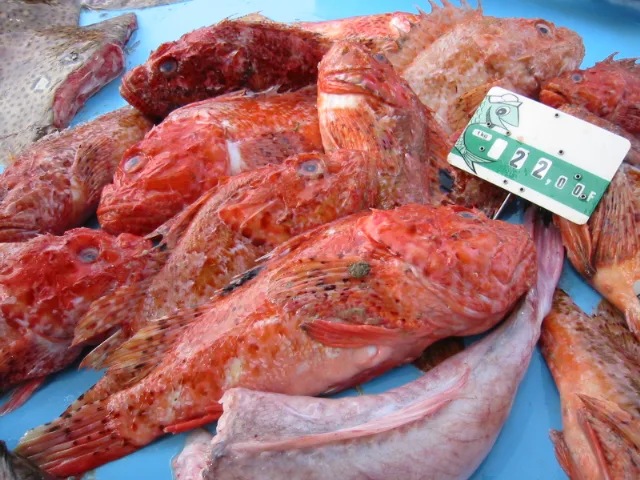
What the fish looks like and why the spines matter
The body is heavily spined and coloured from reddish to brown, often with dark blotches or stripes that camouflage it against rock and seabed. It sits in holes and crevices and emerges when it senses disturbance nearby.
The dorsal spines and gill covers carry venom that is released when the fish feels threatened or is physically disturbed, which is why it must be handled with care. It is a fish for a kitchen not a beach; a diner never handles the spines because the fish arrives gutted and cleaned.
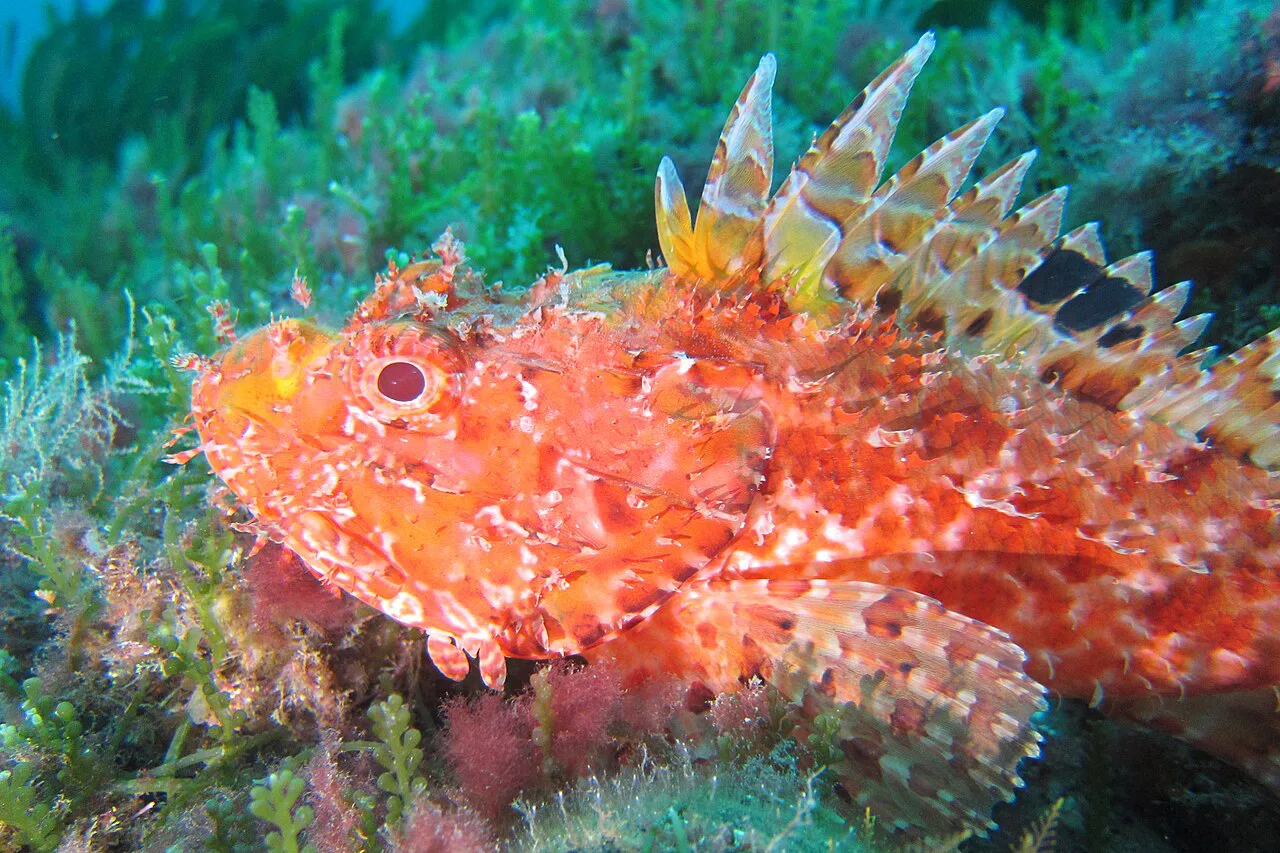
How škrpina tastes and why its flesh is prized
The flesh is white, very firm and holds together under heat, which is why Mediterranean cooks rate it highly. It is a lean rock fish rather than an oily one, so the meat stays dense and the flavour stays clean when it is grilled over high heat.
Think of it as a fish for people who like texture as much as flavour: the meat is closer to monkfish in structure than to a flaky flatfish. The payoff is a fish that takes strong seasoning and charcoal without falling apart.
How it is cooked in Croatia: na gradele, brodet and gregada
The simplest treatment is na gradele: Split or whole, brushed with olive oil, grilled over charcoal and finished with lemon. The firm meat means it will not disintegrate on the bars, which is why the grill is the classic method for rock fish on the coast. For the wider picture of how the coast cooks and serves its fish, see the Croatian Seafood guide.
When the fish is smaller or the kitchen wants the meat to fall away from the bone, škrpina goes into brodet, the tomato and wine fish broth that Croatians serve with bread or polenta. In gregada, a Dalmatian style of cooking fish with potatoes, onions and white wine, the fish is layered with the vegetables so it steams through gently; those potatoes are the point of the dish, not a side. Buzara, the garlic, wine and breadcrumb treatment more often used for shellfish, is another coastal method worth knowing from the same repertoire.
These are the three most common treatments you will see, and each makes sense for a fish that holds its shape. If a menu offers a fillet, the spine issues are gone and you can eat it with a fork; if it arrives whole, the same rules that apply to other rock fish apply here.
How škrpina is sold and priced by the kilo, and what to ask at the fish counter
Whole fish is sold by the kilo, typically weighed in front of you, and the final bill is the weight times the price per kilo. That means the same fish on two menus can look very different once you ask for a 500–700 g specimen; before you commit, ask the server to show the weight and quote the total in euros rather than the per-kilo figure.
For larger fish, some kitchens will Split or fillet to order, so a single škrpina can produce two portions if the kitchen is willing. The practical question to ask is whether the fish is weighed before or after cleaning, because that decides what you actually pay for.
How to eat it: bones, head and the cheeks
Škrpina is a bony fish, and eating it whole is a hands-on job: use the fish knife and fork to lift the top fillet away, then work down the backbone and pick the flesh around the ribs. The head is where much of the flavour sits; the cheeks and the meat around the jaw are the parts regulars claim first.
Ask the server to bone the fish at the table if you are unsure, a standard offer in Croatian fish restaurants and not an imposition. Drink a dry white with it rather than a heavy red: the meat is lean and the wine should be the same.
Škrpina compared with other Adriatic rock fish
Other rock fish you may see alongside škrpina on the same menu include orada, brancin and the small fried fish girice that arrive by the plateful. Orada, gilt-head bream, is milder and lighter in texture; brancin, sea bass, is sweeter and lighter; girice is the cheap, shared starter end of the same list.
If you want to compare the rock fish directly, order two half portions rather than two whole ones, and note that on the grill škrpina's dense meat is closer to a small grouper than to bream. The dark, spiny fish on the ice is the one that will taste strongest and cost the most per kilo, so order it when the kitchen looks confident in its fish.
Where škrpina appears on Croatian menus and what to look for
Look for škrpina on fish-restaurant menus along the Adriatic, especially from Dalmatia northward, and on fish-market ice in the morning. It is a menu fish, not a street food, so the best sign is a kitchen that displays the whole fish and lets you judge its freshness before you commit.
Names to watch for on the same menu include ispod peke (under the baking lid), na gradele and in brodet, plus the shellfish and crustacean options that often share the grill. On the same table, škrpina sits comfortably next to Kvarner scampi and a simple Octopus Salad in Croatia, so a mixed order across the menu is easy to plan.
Which fish to order first
If you want one Adriatic fish that rewards the by-the-kilo model, order the škrpina: ask for a moderate-sized whole fish, confirm the weight and the euro total, and have it grilled na gradele. Pair it with a simple starter from the same menu and a dry white, and save the cheaper fried orada for a lighter lunch the next day.
Explore more Croatia guides
Sources
Notes on eating well in Croatia
Optional updates to our food guides.
You might also like



Continue reading
More guides you'll find useful





