
Žrnovski Makaruni: Korčula's Hand-Rolled Pasta, Explained
Žrnovski makaruni are hand-rolled tubular pasta from Žrnovo on Korčula, traditionally served with beef stew. Here's what to order and how it is made.
On this page
Žrnovski makaruni are short hand-rolled tubes of pasta from Žrnovo, a village just outside Korčula town, and the traditional way to eat them is with a slow-cooked beef stew. They are the island's signature dish and the one plate worth seeking out on a first visit to Korčula. This guide covers what the pasta is, how each piece is shaped by hand, the pairings you will see on menus and how it differs from the macaroni and the Istrian shapes you may already know.
The dish belongs in the wider picture of Croatian cooking, where pasta is a regional staple rather than a side note: Istria has its own dense family of shapes, Zagorje has mlinci and Slavonia supplies noodles for soup. Dalmatia adds its own coastline favourites, from brodet to crni rižot, and žrnovski makaruni sits firmly in that Dalmatian tradition.
What žrnovski makaruni are
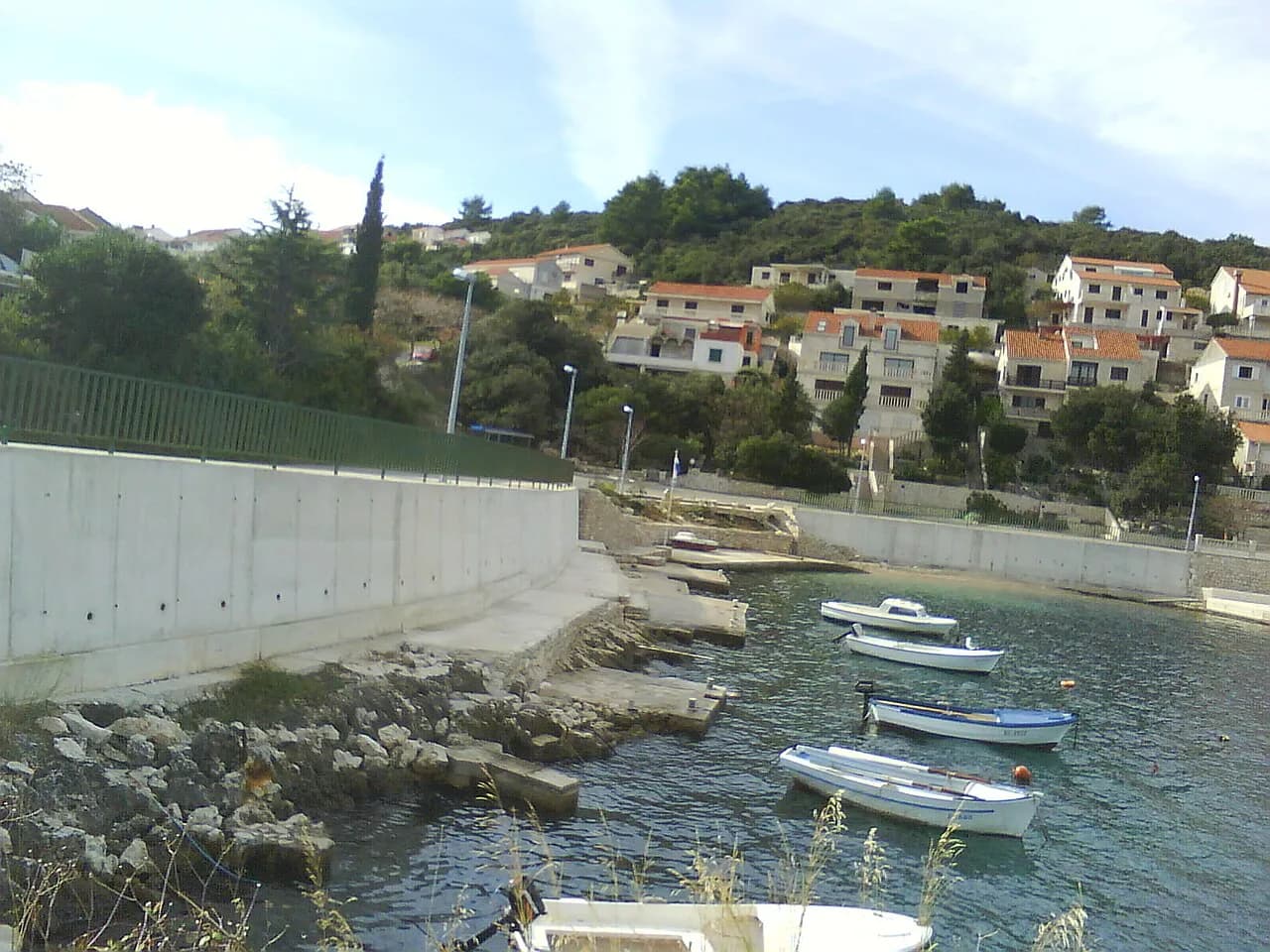
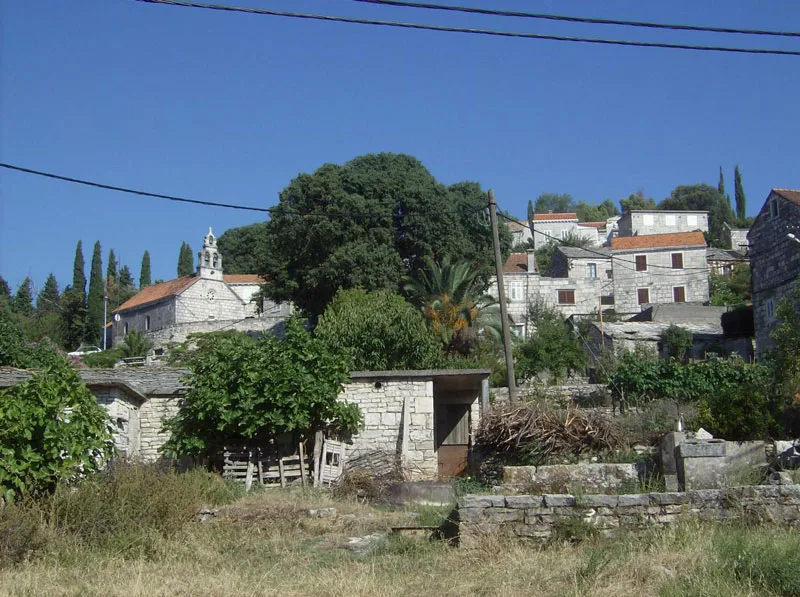
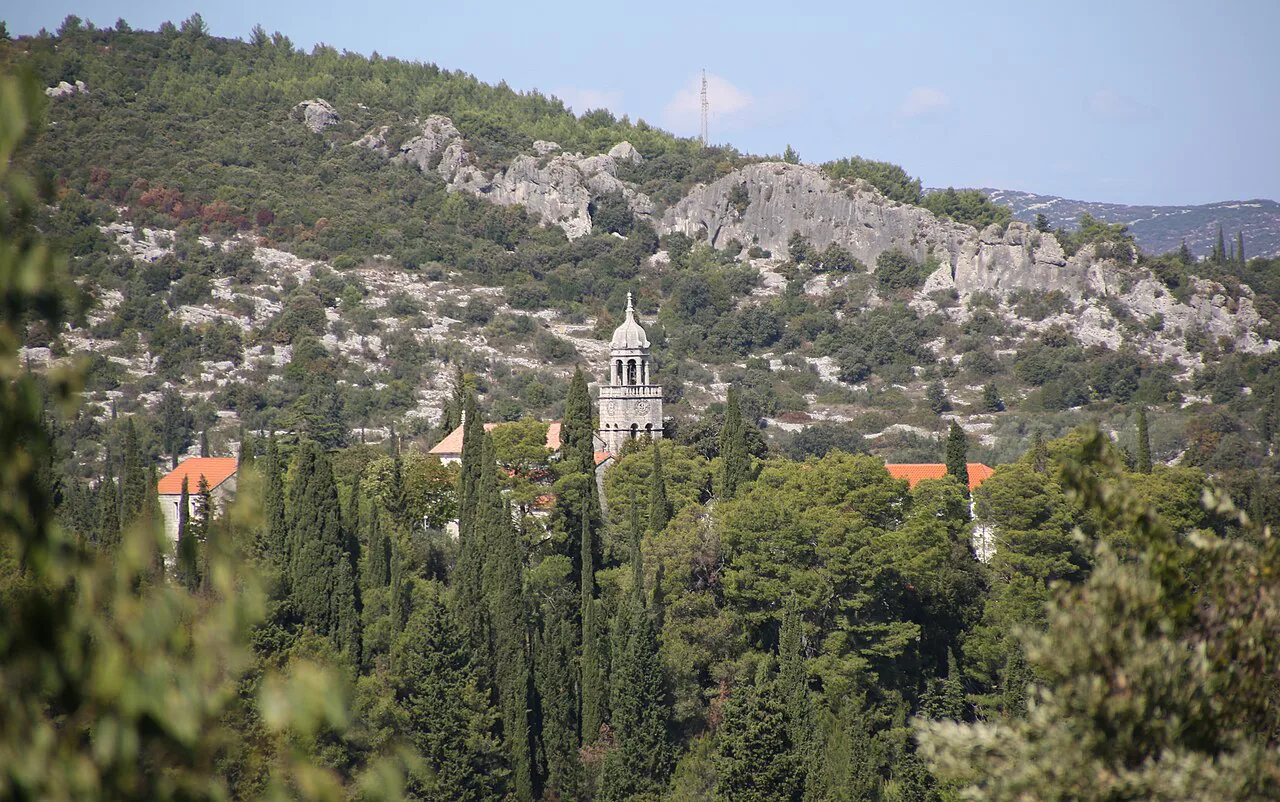
The name links the pasta to Žrnovo, the village on Korčula where it originated, and the makaruni themselves are medium-sized tubes with a small hole running through the middle. They are made from a simple dough rather than the durum wheat used for commercial macaroni, which gives them a softer, more rustic bite. Think of them as the island's answer to a hand-made soup pasta, robust enough to hold a rich sauce.
The pasta is often described as a recipe passed down for more than 400 years, kept alive in Žrnovo from one generation to the next. That age is a claim rather than a documented date, but the technique behind it is genuinely old-fashioned: every single makarun is shaped individually.
How the pasta is made
The dough is a short, everyday mixture of flour, salt, egg, olive oil and water. It is kneaded until soft and cohesive, rested, then rolled out and cut into small pieces. From there the work becomes entirely manual: each piece is placed on a thin stick or skewer and rolled between the palms to form a hollow tube.
What does žrnovski makaruni mean? Žrnovski makaruni means makaruni from Žrnovo, the village on Korčula where the pasta originated. Makaruni refers to the small tubular shape, and žrnovski is the adjective for the village.
Is žrnovski makaruni the same as macaroni? No. Commercial macaroni is made from durum wheat and shaped by machine, while žrnovski makaruni are made from a softer dough of flour, salt, egg, olive oil and water, then hand-rolled one piece at a time on a thin stick.
Are žrnovski makaruni vegetarian? The pasta dough itself contains no meat, but the traditional serving is with beef stew and many menu versions include pršut or seafood. Ask about the sauce rather than the pasta when ordering if you avoid meat or fish.
Making a kilo of makaruni is the work of a few hours, which is why the pasta is rarely a bulk product and why you will see it on menus in modest portions rather than piled high. In the past it was reserved for special occasions and festivities in Žrnovo before spreading across the island. That scarcity is part of the appeal: a plate of makaruni represents a real amount of handwork.
How it is served
The classic pairing is beef stew, sometimes called beef mange, a slow-braised sauce that clings to the ridges of the pasta. Order it this way first if you want the traditional version, and expect a deep, savoury plate rather than anything tomato-heavy. It is close in spirit to the long-braised beef dishes of the Dalmatian coast, of which pašticada is the best-known example.
Other versions move well beyond the stew. You will find makaruni with a tomato-based brodet, with prawns, with a ragu-style meat sauce, or with pršut and truffles, a combination that is richer and more modern than the traditional plate. Choose the beef stew for the authentic experience and the pršut and truffle version if you want something more luxurious.
If you are pairing wine, Korčula is white-wine country, with indigenous grapes such as Pošip, Rukatac and Grk. A glass of Pošip alongside the beef stew or the truffle version works well; keep it to one and let the pasta be the point of the meal.
Where to eat it on Korčula
The best place to try žrnovski makaruni is on Korčula itself, ideally in or around Korčula town and the village of Žrnovo where it originated. It also appears on menus elsewhere in Croatia, but the island version is the one to plan around. Look for it as a first course or a standalone pasta dish, and ask whether it is made in-house, since the hand-rolling is what distinguishes it.
Pair it with the rest of the island's table: simple fish dishes, brodet and the local olive oil are all part of the same modest, ingredient-led cooking. If you want a second pasta reference point, Istria's fuži are a different shape and a different tradition, but both belong to Croatia's strong regional pasta culture.
Žrnovska makarunada: the summer festival
Žrnovo holds an annual summer festival called Žrnovska makarunada, first organised in 2008, where locals cook thousands of portions of makaruni with beef stew. Dozens of pots hang over open fires, and the atmosphere includes live music, traditional costume and dance. It is a lively summer celebration of the village's pasta.
The festival usually opens with a workshop where visitors can learn to roll the pasta themselves under the guidance of local cooks. Dates change each year, so confirm the current summer's arrangements with the local tourist board before booking travel around it.
How they differ from macaroni and Istrian pasta
Standard macaroni is made from durum wheat and produced by machine, giving it a firm, uniform bite. Žrnovski makaruni use a softer dough and are shaped by hand, so the walls are thicker in places and the texture more varied. The hole in the middle is also narrower and less regular than an industrial tube.
Istria's pasta is a separate story: fuži are rolled quills, pljukanci are torn, thumb-rolled pieces, and the peninsula has a long list of shapes including pasutice, ravijoli and makaruni of its own. The similarity in name is no coincidence, since small hand-rolled tubes appear in several Adriatic kitchens. If you have eaten fuži in Istria, expect a recognisable family resemblance but a distinctly Korčulan result.
Making žrnovski makaruni at home
The dough itself is forgiving: flour, a little salt, one egg, a spoonful of olive oil and enough water to bring it together. Rest it well before rolling, or the pieces will spring back and refuse to stretch. Then cut the dough into small even pieces and roll each one on a thin stick or skewer between your palms.
The usual failure is impatience: pieces cut too large become heavy, and dough rolled too thick will not cook through evenly. Keep the pieces small and uniform, flour the stick lightly and work in batches so the dough does not dry out. Fresh makaruni cook quickly, in a few minutes, so have your sauce ready before they go into the water.
If you want a slower, more forgiving Croatian dish to practise first, peka teaches the same patience with fire and time, while burek rewards careful handling of thin pastry. For something sweet afterwards, palačinke are the easy home option.
Is žrnovski makaruni worth ordering?
Yes, if you are on Korčula. It is a genuinely local dish with a technique you can watch being done, a clear traditional pairing in beef stew and enough modern variations to suit a table of mixed tastes. Order it once with the beef stew, then try the pršut and truffle version if you want to see how far it can stretch.
If your trip takes in the festival in Žrnovo, go for the cooking and the atmosphere rather than a precise plan, and confirm the current year's arrangements locally. Outside festival season, Korčula town and the island's restaurants are where you will find it.
Explore more Croatia guides
Frequently Asked Questions
What does žrnovski makaruni mean?
Žrnovski makaruni means makaruni from Žrnovo, the village on Korčula where the pasta originated. Makaruni refers to the small tubular shape, and žrnovski is the adjective for the village.
Is žrnovski makaruni the same as macaroni?
No. Commercial macaroni is made from durum wheat and shaped by machine, while žrnovski makaruni are made from a softer dough of flour, salt, egg, olive oil and water, then hand-rolled one piece at a time on a thin stick.
Are žrnovski makaruni vegetarian?
The pasta dough itself contains no meat, but the traditional serving is with beef stew and many menu versions include pršut or seafood. Ask about the sauce rather than the pasta when ordering if you avoid meat or fish.
Sources
Notes on eating well in Croatia
Optional updates to our food guides.
You might also like



Continue reading
More guides you'll find useful





