
Štrukli: Croatia's Cheese Pastry, Explained
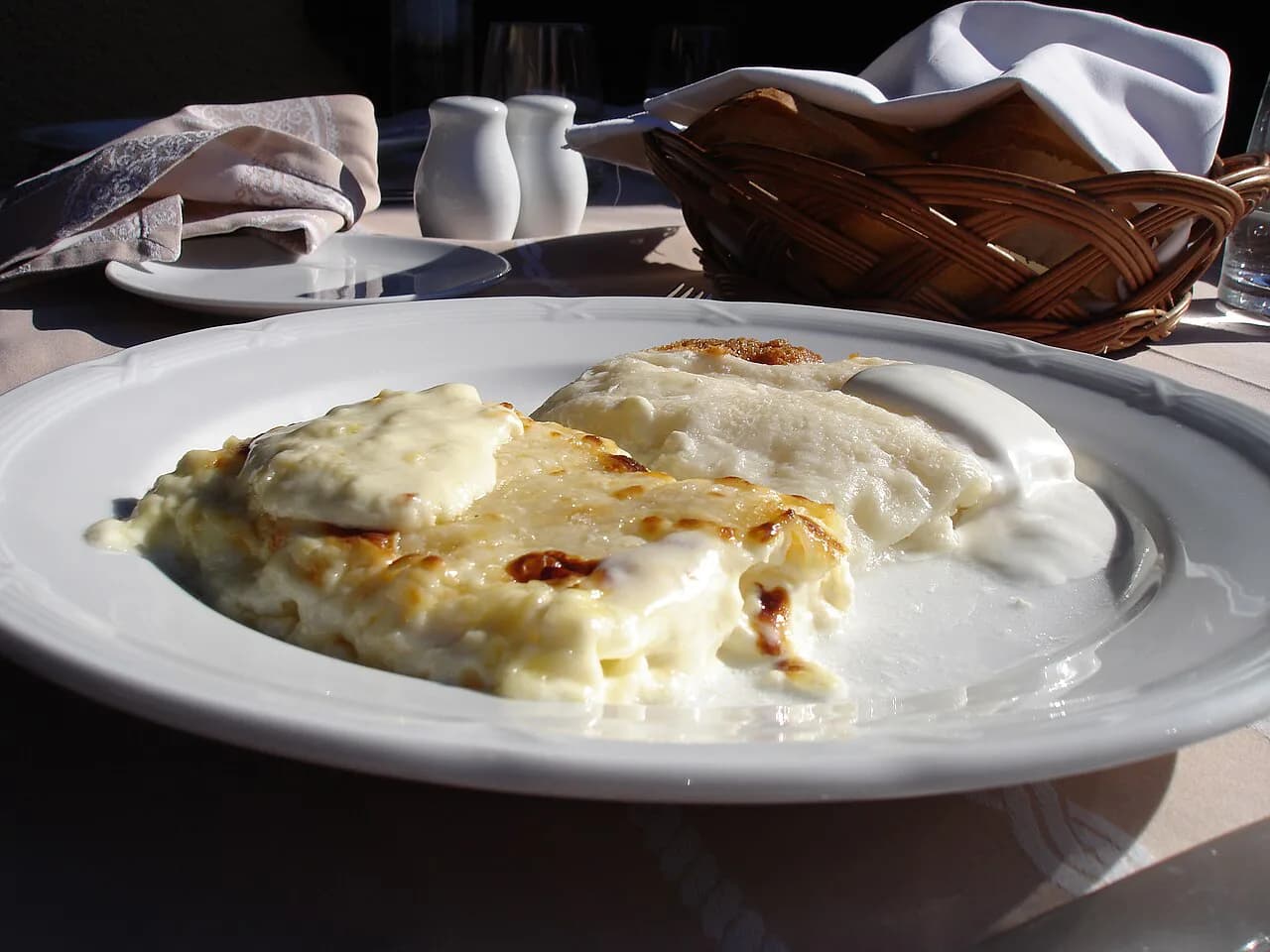
Štrukli are a Croatian cheese-filled pastry from Zagorje and Zagreb, boiled or baked with cream over the top. Here is what is in them and how they are served.
On this page
Štrukli are a Croatian pastry of thinly stretched dough rolled around a soft fresh cheese filling, then either boiled or baked. The dish belongs to Hrvatsko Zagorje, the hill country north of Zagreb, and to Zagreb itself, which is where most visitors first meet it. This guide covers what goes inside, the difference between the boiled and baked versions, the sweet walnut-and-raisin filling and how štrukli fit into a meal.
Ordering one is less complicated than the menu might suggest. The main decision is whether you want the soft, pale boiled version or the baked one with cream poured over and a golden top, which is what most people picture when they picture štrukli. From there it is a question of portion and whether you are treating it as a starter, a side or a dessert.
What štrukli are
Štrukli are made from a simple dough of flour, egg, oil, salt and water that is rested, then stretched by hand until it is thin enough to see through without tearing. A cheese filling is spread across it and the whole sheet is rolled up with the help of a cloth, then cut into short cylinders. That rolling method is what gives the finished dish its layered, spiralled look and its soft, slightly elastic bite.
What is inside. The classic filling is fresh cottage-style cheese mixed with sour cream and egg, seasoned with a little salt and a touch of sugar.
Zagorski štrukli and the heritage listing. Zagorski štrukli, the version from Hrvatsko Zagorje, is the one most often named on menus and in recipe collections.
Boiled or baked: the main decision. Boiled štrukli are dropped into salted water and cooked like large dumplings, then served plain or with a little melted butter.
The name covers both the raw rolled pieces and the finished dish, and you will see the plural štrukli on menus rather than a single portion. In the north of Croatia they are a home dish as much as a restaurant one, made in large trays for family tables. Zagreb and the Zagorje towns are the places to look for them, though you will find them in city restaurants elsewhere in the country.
What is inside
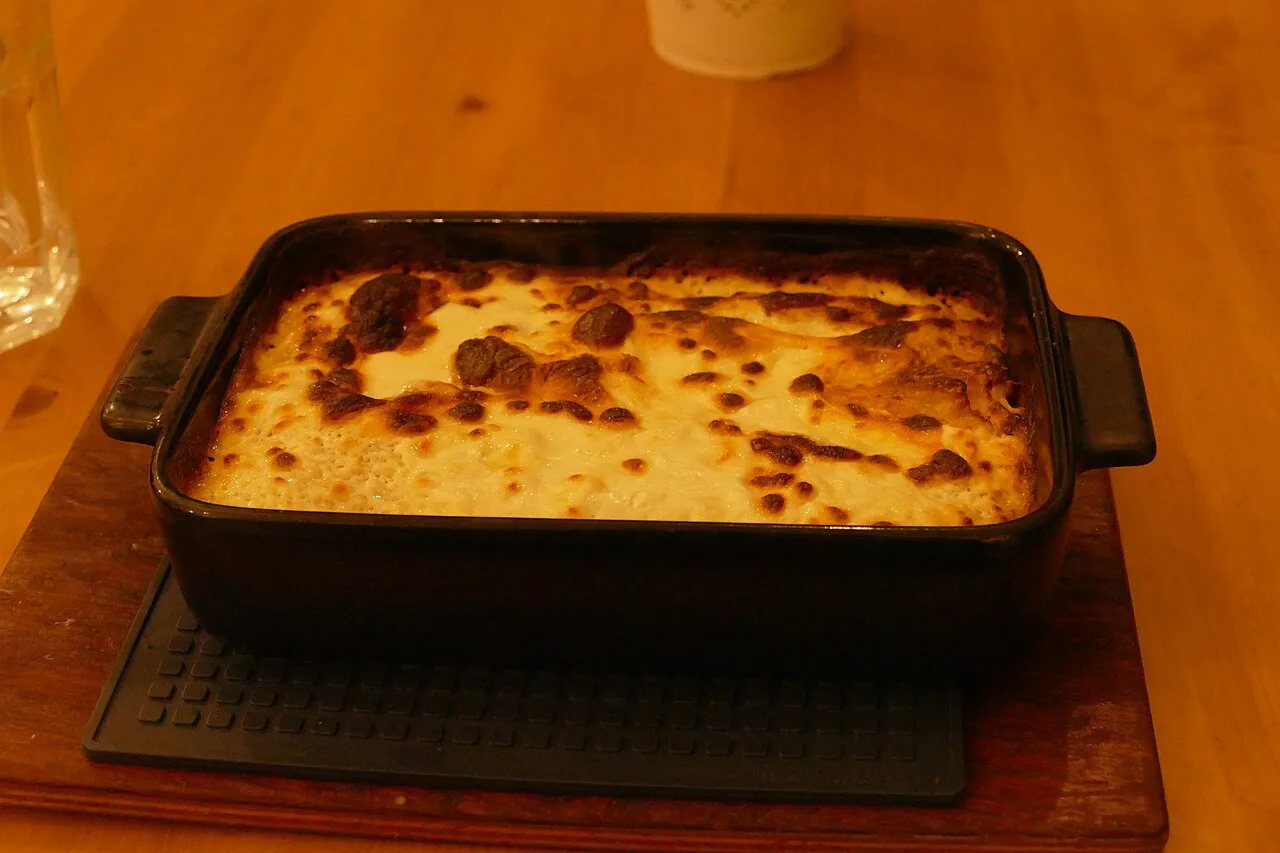
The classic filling is fresh cottage-style cheese mixed with sour cream and egg, seasoned with a little salt and a touch of sugar. That small amount of sugar is what gives štrukli their faint sweetness, which sits oddly with a savoury main course until you taste it and realise it is more background than dessert. Cream and sour cream are also poured over the top before baking, so the finished dish is rich rather than sharp.
Nothing in the basic recipe is expensive or rare, which is why štrukli appear on ordinary restaurant menus and not just special-occasion ones. If you are comparing it with other Croatian dough-based dishes, the closest cousins are pasta and pastry rather than bread. The wider range of these is gathered in our guide to Croatian dishes, which sets štrukli alongside the savoury plates you are likely to order with them.
Zagorski štrukli and the heritage listing
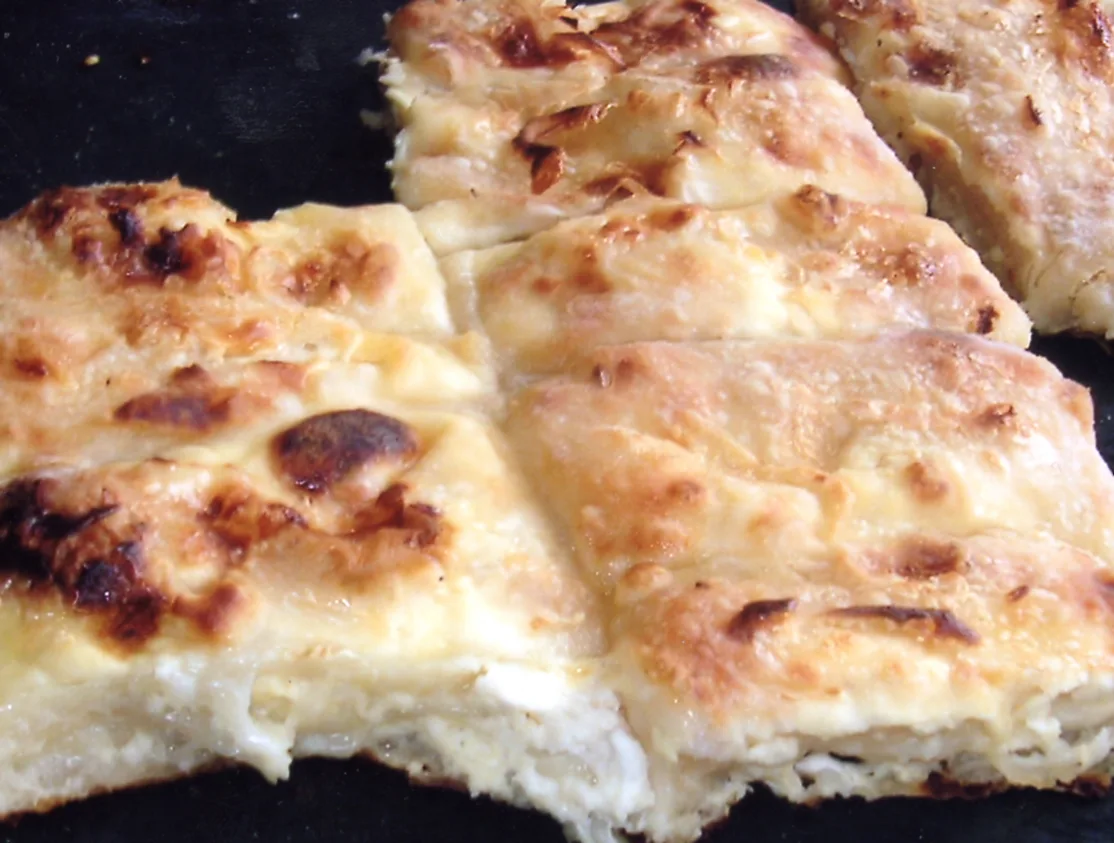
Zagorski štrukli, the version from Hrvatsko Zagorje, is the one most often named on menus and in recipe collections. The dish has been entered on Croatia's national list of intangible cultural heritage, which recognises it as a living tradition rather than a museum piece. It is a national listing, not a UNESCO one, so treat the word heritage as a statement about Croatian food culture.
In practice the listing matters less than the regional label. If a menu says Zagorski štrukli, it is telling you the kitchen is making the northern version with the cheese filling and the rolled, stretched dough. Ask for štrukli without the regional name and you will usually get the same thing, though the filling and the amount of cream can vary from kitchen to kitchen.
Boiled or baked: the main decision
Boiled štrukli are dropped into salted water and cooked like large dumplings, then served plain or with a little melted butter. The result is soft, pale and delicate, closer in texture to a dumpling than to a pie, and it lets the fresh cheese taste come through clearly. This is the version to order if you want to understand what the filling actually tastes like.
Baked štrukli go into a buttered dish with cream poured over and are baked until the top turns golden. The edges crisp, the cream reduces into the folds and the whole thing becomes heavier and more comforting. For a first order, the baked version is the easier sell; the boiled one is the better test of a kitchen's filling.
Sweet fillings: walnuts, raisins and the sweet-savoury line
Not every štrukli is savoury. A walnut-and-raisin filling, sweetened with sugar, vanilla sugar, cinnamon and honey, produces a dessert version that is baked and then dusted with icing sugar. The dough and the rolling method are the same as for the cheese version, which is why the two can appear side by side on one menu and look almost identical on the plate.
If you are ordering for a table, the distinction matters more than it sounds. A cheese štrukli with a faint sweetness works as a starter or a side; the walnut one is a pudding and will overwhelm a main course if you get the two mixed up. When the menu is not explicit, ask whether the filling is cheese or nuts before you commit.
Where štrukli sit in a Croatian meal
In Zagreb and the north, štrukli are flexible: a small portion opens a meal, a larger baked tray is a main course with a salad, and the sweet version closes it. That flexibility is unusual in Croatian cooking, where starters and mains tend to be more clearly separated. It also means portion size, not the dish itself, is the thing to check when you order.
On the coast the picture is different. Dalmatian menus lean on fish, grilled meat and simple vegetable sides, so a baked cheese pastry is a northern speciality you are more likely to find in a city restaurant than in a seaside konoba. If štrukli are the reason for your meal, plan it around Zagreb or the Zagorje towns rather than the islands.
How štrukli are made
The technique is the interesting part. The dough is stretched on a floured cloth until it is paper-thin, the filling is dotted along one edge, and the cloth is lifted so the dough rolls over itself into a long cylinder. The roll is then cut into short lengths with a plate or a knife, which seals the ends, and the pieces go into a buttered dish.
Home recipes spread the pieces with a mix of cream and sour cream before baking, which is what keeps them moist and gives the golden top. The dough is the same whether you boil or bake, so the only real difference between the two styles is what happens after the rolls are cut. That is worth knowing when a menu offers both: you are choosing a cooking method, not a different recipe.
Štrukli compared with other Croatian dough dishes
Croatia has several dough-based dishes that travellers lump together, and it helps to keep them apart. Burek is a thin pastry rolled around a meat or cheese filling and baked in a large coil, sold by the slice in bakeries and eaten on the move; štrukli are softer, served hot in a dish and eaten with a fork. If you want the bakery version, our guide to burek covers what to ask for.
Palačinke, the thin pancakes sold everywhere from cafés to street stalls, are the other close relative, and they share the northern fondness for sweet fillings. Neither is a substitute for the other: palačinke are a snack or a dessert, while štrukli can carry a whole course.
Which štrukli should you order first?
Start with the baked cheese version, zapeceni štrukli, because it shows the dish at its richest and is the easiest to share. Order the boiled one on a second visit if you want to taste the fresh cheese filling without cream and butter in the way. Save the walnut-and-raisin version for pudding, and ask whether the filling is cheese or nuts if the menu is vague.
Eat them in Zagreb or the Zagorje towns, where the dish is part of the local repertoire, and treat it as a course rather than a side order. Portions vary enough between kitchens that a small plate is the sensible way to start.
Explore more Croatia guides
- Black Risotto (Crni Rižot)
- Blitva: Croatia's Chard and Potato Side Dish Explained
- Croatian Pasta
- Fiš Paprikaš
- Fuži: Istria's Quill-Shaped Pasta, Explained
- Gregada: The Hvar Fish and Potato Stew, Explained
- Njoki: Croatian Potato Dumplings and How They Are Served
- Pašta Fažol
- Pašticada
- Peka: What Croatia's Iron-Bell Dish Is and How It's Cooked
Sources
Notes on eating well in Croatia
Optional updates to our food guides.
You might also like



Continue reading
More guides you'll find useful





