

Bakalar na bijelo: What Croatia's White Salt Cod Dish Is
Bakalar na bijelo is Croatia's Christmas Eve salt cod dish, cooked white with potato, garlic, olive oil and parsley. Here is what it is and how it is made.
On this page
Bakalar na bijelo is salt cod cooked to a pale, milky stew rather than a red tomato one, built on potato, garlic, olive oil and parsley. The name simply means salt cod done white, and it is the version most Croatians expect on the Christmas Eve table. This guide explains where the white and red styles part company, how the fish is soaked and simmered, and how the dish is finished and served, with a wider route through the repertoire in this guide to Croatian dishes.
One practical warning before anything else: the cod needs two to three days of soaking, with the water changed several times, so it is not a dish to start on the afternoon you plan to eat it. Everything after that is gentle cooking rather than technique.
What bakalar na bijelo actually is
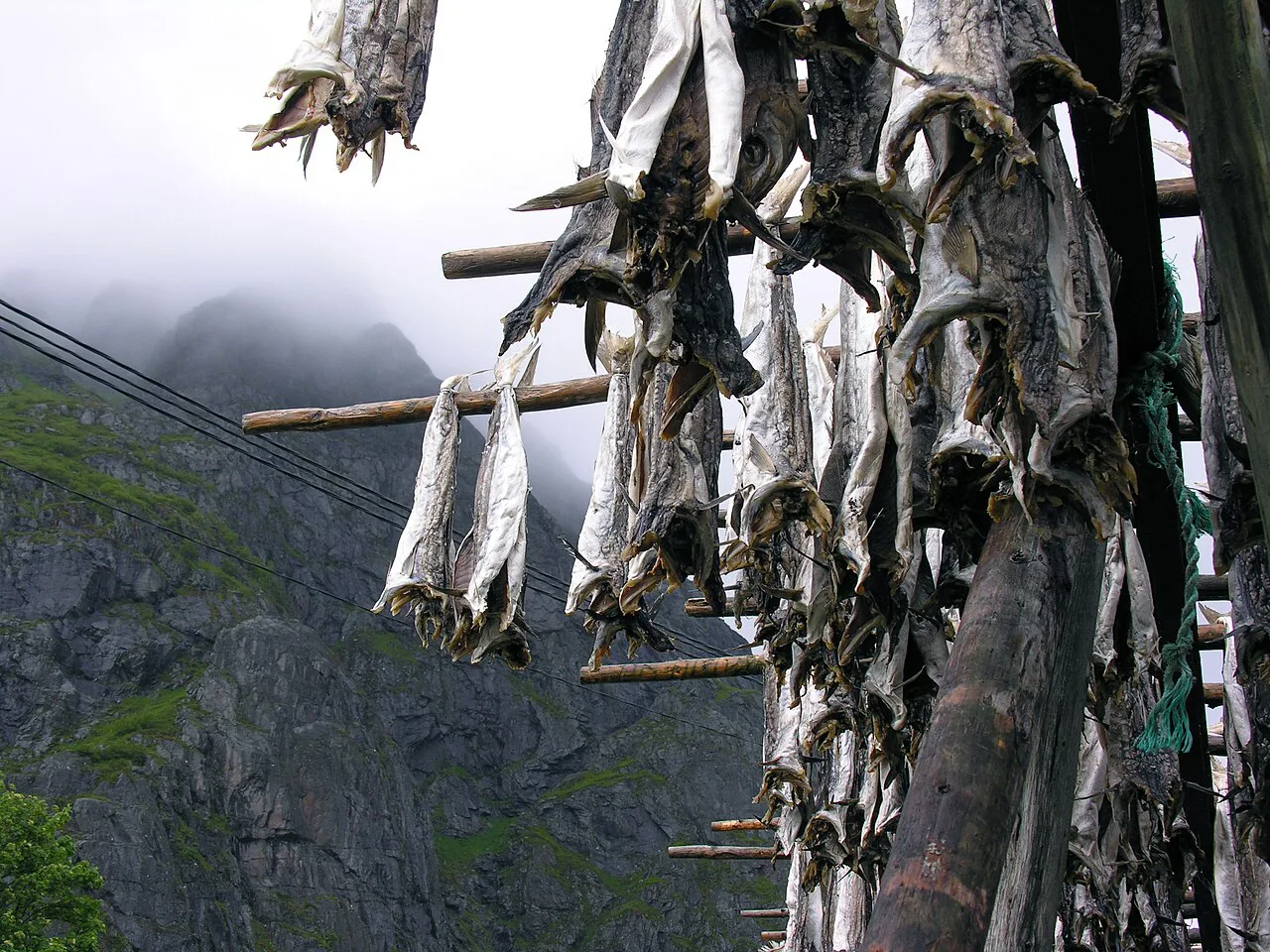
Bakalar is dried, salted cod, a preserved fish that has been part of Croatian cooking for centuries, and it is rehydrated in cold water before use. In the white preparation the softened fish is cooked with potato and dressed with olive oil, garlic and parsley until it turns creamy and pale. It is a soft, mild dish rather than a sharp or salty one, which is the whole point of the soaking.
Why it matters at Christmas. Bakalar is the fish of the Croatian Christmas Eve table, served as the meatless centrepiece of a day when the household eats lightly and no meat appears.
The core ingredients. The shopping list is short: salt cod, potato, garlic, olive oil, parsley and bay leaf, with seasoning.
Soaking the salt cod: two to three days, water changed. This is the step that decides whether the dish works, and it is the one most often rushed.
Cooked correctly, the fish flakes and the potato breaks down into the oil and cooking liquid, so the finished dish sits somewhere between a stew and a thick mash. It is not a soup and it is not a plate of plain boiled fish. The consistency is the test: loose and watery means it was rushed, dense and glossy means it was cooked slowly.
Why it matters at Christmas
Bakalar is the fish of the Croatian Christmas Eve table, served as the meatless centrepiece of a day when the household eats lightly and no meat appears. The white version is the one most closely tied to that evening, and it is eaten warm rather than scalding hot, often after a plate of something lighter. It belongs to the same family of lean, oil-dressed seafood dishes found along the Dalmatian coast.
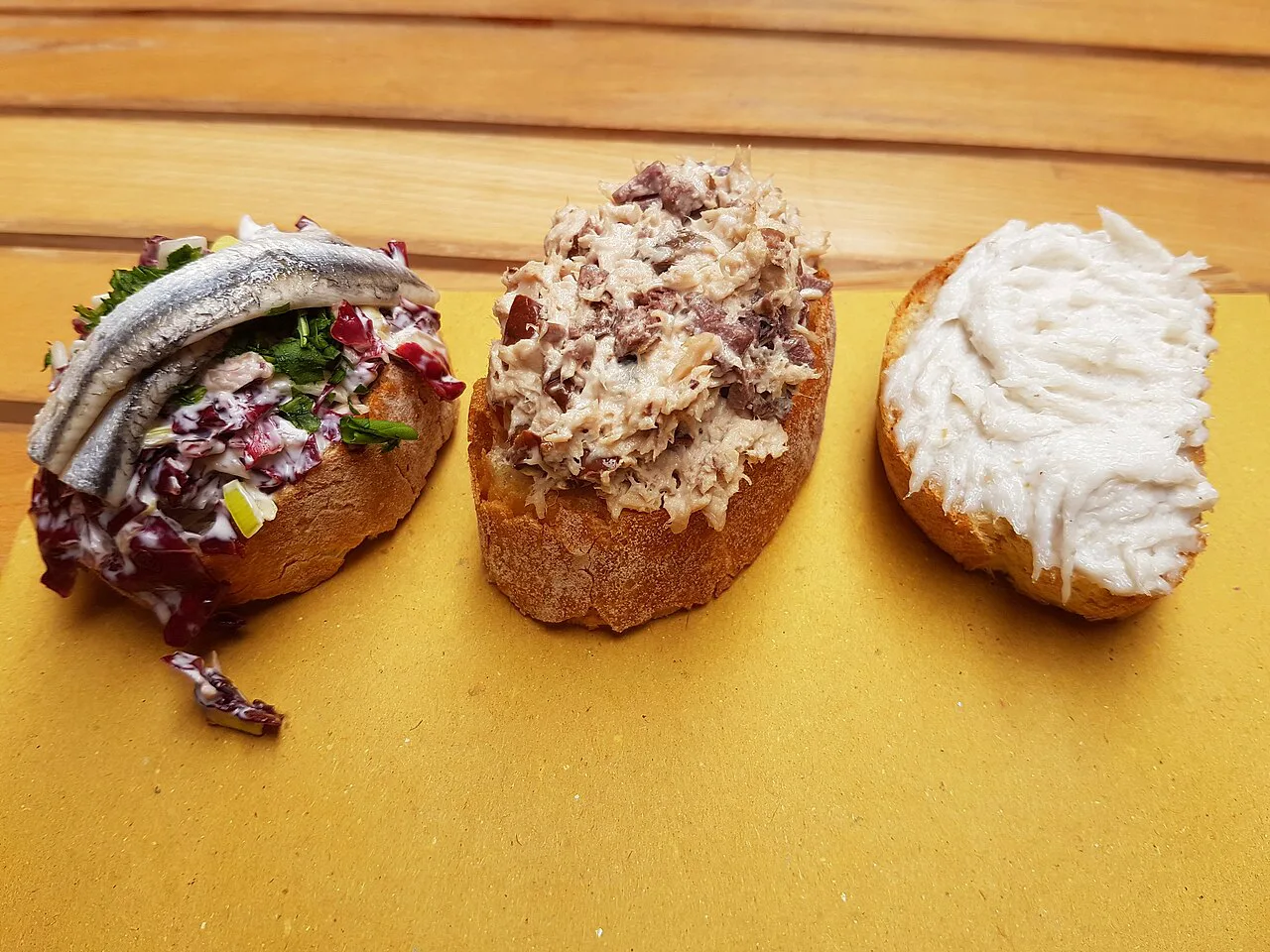
Croatian cod cooking forks into two clear branches, and understanding the fork explains a lot of confused menu reading. In the white version the fish is mixed through potato, garlic, oil and parsley, and when blended smooth it can be spread on toasted bread. The red version, bakalar na brudet, is a tomato-based stew with a completely different flavour profile.
The core ingredients
The shopping list is short: salt cod, potato, garlic, olive oil, parsley and bay leaf, with seasoning. From there the recipes diverge in two small but real ways, on whether the garlic is cooked or added raw and whether milk or white wine goes in at the end. A traditional version simmers garlic cloves in milk and pours that over the fish, then adds fresh chopped garlic and parsley with a generous amount of olive oil.
A faster modern approach skips the milk and builds flavour differently, with white wine and lemon juice alongside extra virgin olive oil. It also uses a simple vegetable broth of carrot, onion, celeriac and parsley root as the cooking liquid. Either route gives you a white dish, but the milk version is rounder and the wine version is brighter.
Olive oil is not dressing here, it is a main component, counted in decilitres rather than spoons. Some of it goes in during cooking and more is poured over at the end, and the dish should taste of it. Use an oil you would happily dip bread into, because that is exactly the flavour the potato will absorb.
Soaking the salt cod: two to three days, water changed
This is the step that decides whether the dish works, and it is the one most often rushed. The cod should be soaked two to three days ahead in cold water, with the water changed several times, and the fish flexed gently by hand as it swells and softens. Work the timing backwards from when you want to serve, not forwards from when you start cooking.
A large piece needs longer than thin fillets, so judge by feel rather than by the clock alone. The fish is ready when it is plump, supple and no longer stiff at the thickest part. If it still tastes aggressively salty at the centre, keep soaking and keep changing the water.
How it comes together
Once softened, the cod is simmered briefly in salted water with bay leaf and a few peppercorns, around fifteen minutes, then lifted out, cooled and cleaned of every trace of skin and bone. The potato is sliced and cooked in that same water, so it takes on the fish and bay flavour rather than tasting of plain water. Breaking up the fish carefully at this stage avoids shredding it into nothing.
The alternative route layers everything in a wide pan instead: olive oil, sliced potato, the thawed cod fillets, lemon juice, chopped garlic and parsley, bay leaf, then strained vegetable broth poured only far enough to cover the potatoes, finished with white wine. It comes to a boil, then cooks at medium heat for 25 to 30 minutes, with the pan moved rather than stirred to keep the fish intact.
Whichever route you take, the final stage is the same discipline: low heat, a covered or partly covered pan, and gentle shaking rather than vigorous stirring. Add a little of the cod cooking water if it looks dry, and more olive oil at the end. A pinch of flaky salt with cayenne pepper over the top is a good finishing touch.
Texture, two ways: chunky or blended
Family versions differ on the finish, and it is worth deciding before you serve who you are cooking for. For a coarse result, crush the potato lightly with a fork, leave the cod in visible flakes and serve it as a thick stew-like dish. For a smooth result, blend the whole mixture with a stick blender until it becomes a dense, milky paste.
The blended version is the more versatile of the two, because a smooth bakalar spreads on toasted bread as a starter or a light supper. The chunky version eats better as a main course with bread alongside to mop the oil. Neither is more correct, but the blended one suits a buffet or a first course and the chunky one suits a plate at the table.
Using fresh or frozen cod instead of salt cod
Frozen cod fillets are a genuine option and they remove the whole soaking problem, because there is no salt to draw out. Recipes built on frozen fillets use them thawed, straight into the pan, with the seasoning coming from salt, pepper, garlic, wine and lemon rather than from the cure. Expect a lighter, cleaner flavour and a softer set.
What changes is that the dish needs its salt added deliberately, and the texture is less firm than properly rehydrated salt cod. The one thing you lose is the characteristic depth that curing gives, which is why the salt cod version tastes of more than fish and potato. If you use frozen fish, taste and adjust salt at the end rather than at the start.
What it is served with, and where it sits in the meal
Bakalar na bijelo is a meal in itself, served with bread and nothing much else, because the potato is already in the dish. On the Christmas Eve table it takes the centre position among meatless courses. It also works as a starter in small portions or on toasted bread when blended, which is how a lot of people first meet it.
For those building a Croatian seafood table, it sits comfortably alongside other olive-oil-led dishes, the kind of cooking found in black risotto and in fish stewed with potato, such as the Hvar classic gregada. Keep the rest of the meal light, because this is a rich plate underneath its pale colour.
Bread, and the rest of the table
Bread does most of the supporting work here: a plain white loaf or a sourdough with some chew, cut thick enough to hold oil. If you are feeding a crowd before the main plate lands, a tray of something baked and flaky does the job without competing with the cod, and this guide to burek covers the shop-bought and homemade versions worth knowing.
Keep the sides plain and starch-free, since potato already carries the dish, and avoid anything sharp or pickled that would fight the milky garlic. A green salad dressed lightly with oil and lemon is enough. What you drink matters less than keeping the plate warm, because bakalar dulls quickly as it cools.
White or red cod this Christmas Eve?
Pick the white version, bakalar na bijelo, if you want the pale, milky dish that most Croatians associate with Christmas Eve, and plan your soaking at least two to three days ahead. It is a forgiving dish once the cod is ready: simmer the fish with bay and peppercorns, cook the potato in the same water, and add oil generously at the end.
Choose it chunky for a main course or blended for spreading on toast, and use frozen fillets if the soaking is too much of a commitment, accepting a lighter flavour in return. Bread on the side finishes the plate.
Explore more Croatia guides
Sources
Notes on eating well in Croatia
Optional updates to our food guides.
You might also like



Continue reading
More guides you'll find useful





