

Croatian Sea Salt: Nin, Pag and What to Buy
Croatian sea salt comes from the Nin and Pag salt pans, harvested by sun, wind and hand. Here's what flower of salt is and which salt to buy for cooking.
On this page
Croatian sea salt comes from shallow salt pans where seawater is left to evaporate under the sun and wind, then gathered by hand. The two names a visitor meets most often are Solana Nin in north Dalmatia and the Pag saltworks, whose Paška sol is protected at national and European level. This guide explains how each saltworks works, what flower of salt is, and which bag is worth carrying home.
It sticks to the practical side of the subject: the difference between ordinary unrefined sea salt and the pricier flower of salt, the flavoured salts sold at Nin, and the Croatian plates where a good pinch earns its place. Croatia has used the euro since 2023, so prices on shop shelves and in saltworks souvenir shops are quoted in euros.
What Croatian sea salt is and why the Adriatic produces it
Sea salt is a coastal product rather than an industrial one in Croatia, made in salt pans where the Adriatic is channelled into shallow pools and left to concentrate. The sun does the evaporating and the wind speeds it up, with the bora blowing off the Velebit slopes above Nin a particular help. The result is unrefined salt that keeps the minerals of the seawater it came from.
Because the salt is dried by weather rather than machines, production is seasonal and small compared with factory salt. That is also why the top grade, flower of salt, is scarce and dearer: it forms only as a fragile crust on the surface of the brine and has to be skimmed off by hand. Salt from Croatia's pans is sold in ordinary supermarkets as well as in souvenir shops, so you do not need to visit a saltworks to cook with it.
Salt is the backbone of the Croatian larder rather than a garnish, and it sits alongside the other building blocks of the table, from pršut (air-dried ham) to the cheeses and cured meats collected in this guide to Croatian delicacies.

Nin saltworks: sun, wind and hand-harvested salt in north Dalmatia
Solana Nin, on the coast north of Zadar, is the saltworks most travellers can picture: salt fields, a museum and a souvenir shop in one place. By the producer's own account, the salt there is not made by machines or by people alone but by sun, sea and wind, with the human hand doing the picking. The pan area is also home to birds and salt-loving plants, and the saltworks describes its salt as biodynamic for that reason.
What is salt called in Croatian? The everyday word is sol, and sea salt is morska sol. On menus and shop labels you will meet paška sol for the salt of Pag and cvijet soli for flower of salt, the flaky top grade skimmed from the brine.
Is Croatian sea salt good for you? It is unrefined sea salt, so it keeps the minerals of the seawater it is made from, but it is still salt and should be used as seasoning rather than as a supplement. Any health claim beyond that is best treated with caution.
What is flower of salt used for? Flower of salt is a finishing salt: scatter a pinch over grilled fish, meat, tomatoes or cheese just before serving so the light flakes stay visible and crunchy. It is wasted in cooking water or sauces, where plain sea salt does the same job for less.
The saltworks has salt in production for what it calls a 1500-year family tradition, a claim that belongs to Solana Nin's own history rather than to an independent record. Visitors can walk an educational salt trail and see harvesting and the House of Salt, and the shop sells unrefined sea salt, flower of salt, spiced salts and salt-based cosmetics. Treat the visit as a look at how salt is made rather than a full day out.
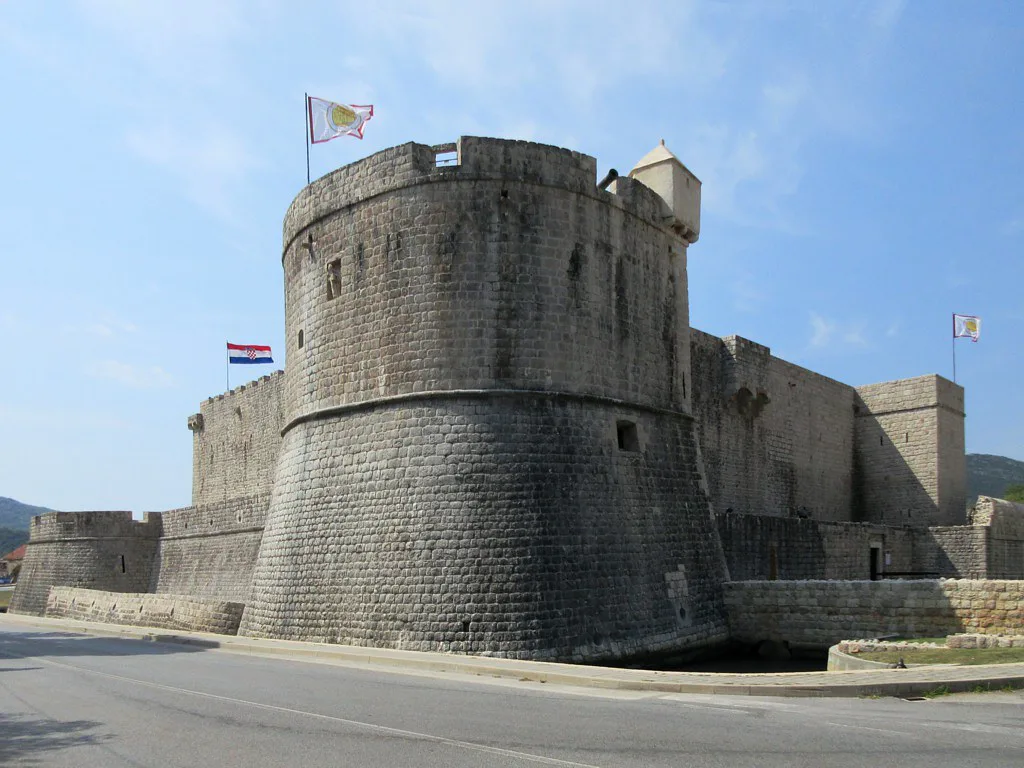
Pag salt: the protected Paška sol and its long salt-pan history
Pag island's salt pans are among the oldest on the eastern Adriatic, first mentioned in tenth-century chronicles, and the island's salt is still made by evaporation methods close to those used by earlier generations of salt workers. Paška sol, as the salt is called, carries protected designation at both national and European level for its place of origin, the kind of protection Croatia also uses for some of its olive oils and cured meats.
The association with Pag cooking is direct. Salt from the island is the obvious seasoning for the lamb and cheese the island is known for, and it is the same salt to reach for when dressing a salad with Croatian olive oil and lemon. Paški sir, the island's hard sheep's cheese, has its own story worth reading before you buy a wedge alongside the salt.
Flower of salt (cvijet soli): what it is and why it costs more
Flower of salt, cvijet soli in Croatian, is the thin layer of crystals that forms on the surface of the brine in fine, warm, breezy weather. It is skimmed off by hand before it sinks, which is why a small jar costs several times what a bag of ordinary sea salt does. Solana Nin describes its flower of salt as rich in the natural minerals of the seawater and as a flavour booster for finished dishes.
In the kitchen the difference is texture as much as taste. The crystals are light and flaky, so they crunch briefly and dissolve on the tongue, which is wasted on a pot of boiling water. Buy it to finish a plate, not to season a pan, and keep it dry: a damp kitchen turns it into a hard lump within weeks.
Unrefined sea salt vs flower of salt: which to buy for the kitchen
For everyday cooking the plain unrefined sea salt is the sensible buy: it is sold in ordinary shops and costs a fraction of the flower. It dissolves into sauces, bread dough and pasta water without leaving grit, and Croatian cooks use it as the base seasoning for most savoury dishes. A kilogram bag lasts a household months.
Flower of salt is the one to spend on for the table, especially if you are carrying it home for someone who cooks. It earns its place on grilled fish, sliced tomatoes, a good steak or a plate of Pag cheese, where the flakes are still visible when the dish arrives. If you only have room for one, take the unrefined salt; if you have room for two, take the flower as well and use it last.
If salt is the first thing you pack, the same logic applies to olive oil: buy the everyday bottle for cooking and the special one for finishing. For a dedicated tasting, this guide to olive oil tasting explains what to look for, and a bottle from the same trip is a natural companion to a bag of Paška sol.
Salt with spices and other Nin salt products worth bringing home
Nin sea salt comes in blends with spices, which the saltworks presents as a way to enrich the taste of a dish without extra shopping. They are convenient for rubbing into meat or sprinkling over roast vegetables, though a cook who already has a full spice rack may find plain salt more useful. The saltworks also sells handcrafted delicacies made with its flower of salt, along with ceramics and wooden kitchen pieces in its souvenir range.
Weight matters when you are flying home with salt, so a spiced blend or a small jar of flower of salt is easier to justify than a heavy sack of coarse salt. If you are buying for a cook who already salts everything, a plain unrefined bag is the safer gift, and the salt does not mind being decanted into a smaller container.
A jar of salt also makes a sensible partner to Croatian cheese, which is often assertively salty already; taste before you season. A wedge of young cheese and a pinch of flower of salt is a better pairing than a heavily salted hard cheese with more salt on top.
How Croatian cooks use sea salt: seasoning lamb, cheese, fish and dressings
On Pag the natural pairing is the island's lamb, seasoned with the salt made nearby before it goes on the grill or under the peka. The same salt goes into the brine and the curing of the island's cheese. A pinch of Paška sol on a plate of paški sir with olive oil is about as close as you can get to the island's table without cooking there.
Along the Dalmatian coast salt is the quiet workhorse behind much of what you eat: it firms up fish and shellfish and underpins the cured and salted flavours that open a meal. The wider guide to Dalmatian coast cooking maps the same coastal larder, from fish and shellfish to the cured meats of the hinterland.
In dressings, sea salt is dissolved into olive oil and lemon rather than sprinkled on top. A salad of tomatoes, cucumber and onion needs nothing more, and a little flower of salt on grilled fish or a rare steak is where the flaky crystals show their worth. Keep the flower for the end of cooking, and the plainer salt for everything before that.
Salt also does quiet work in cured meats, from the pršut of the Dalmatian hinterland to the spiced sausages of Slavonia, where it is part of the cure rather than a last-minute addition. If you enjoy those flavours, it is worth reading up on pršut before you buy a vacuum-packed slice at the market.
Buying Croatian sea salt: supermarkets, souvenir shops and the saltworks shop
For the plainest buy, look in any large Croatian supermarket or souvenir shop, where hand-harvested Croatian salt is sold alongside ordinary table salt. The saltworks' own shops are the place for the full range: unrefined salt, flower of salt, spiced blends and cosmetics, plus gift packages. Solana Nin runs shops in Nin and Zadar, and its website lists current opening times for each.
Pag salt is the one to hunt for on the island itself, in shops and at the saltworks, where you are most likely to find flower of salt and larger bags at the same time. Pag Saltworks is described as the largest sea salt producer in Croatia, covering over 225 hectares of evaporation pools, which is why Paška sol turns up widely on the mainland too.
Buy salt last on a trip, not first: it is heavy, it keeps, and it does not mind a few days in a suitcase. A supermarket bag costs little, so the money is better spent on flower of salt or a spiced blend than on a decorative jar. If you are attaching the salt to a food gift, a bottle of olive oil and a small bag of salt make a lighter and more useful parcel than a heavy ham.
Which Croatian salt should you bring home?
Take the plain unrefined sea salt if you cook at home, and add a small jar of flower of salt if you want something to finish fish, lamb or tomatoes at the table. On Pag, look for Paška sol, which carries protection for its origin; at Nin, the spiced blends and salt-based cosmetics are the extras worth a look in the saltworks shop.
Pair the salt with the foods it seasons, from a wedge of paški sir to a bottle of olive oil and a slice of pršut, and you have the makings of a Croatian table at home. Buy late in the trip, keep the flower of salt dry, and use the plain salt for the pot and the flakes for the plate.
Explore more Croatia guides
Frequently Asked Questions
What is salt called in Croatian?
The everyday word is sol, and sea salt is morska sol. On menus and shop labels you will meet paška sol for the salt of Pag and cvijet soli for flower of salt, the flaky top grade skimmed from the brine.
Is Croatian sea salt good for you?
It is unrefined sea salt, so it keeps the minerals of the seawater it is made from, but it is still salt and should be used as seasoning rather than as a supplement. Any health claim beyond that is best treated with caution.
What is flower of salt used for?
Flower of salt is a finishing salt: scatter a pinch over grilled fish, meat, tomatoes or cheese just before serving so the light flakes stay visible and crunchy. It is wasted in cooking water or sauces, where plain sea salt does the same job for less.
Sources
Notes on eating well in Croatia
Optional updates to our food guides.
You might also like



Continue reading
More guides you'll find useful




